How to Clean a Toilet Brush With Poop on It: Expert Tips
Cleaning a toilet brush is probably not at the top of your list of fun activities. But let’s face it, a dirty toilet brush with poop on it is something you’d rather not have lingering in your bathroom.
You might be tempted to just ignore it, hoping it will magically clean itself. But that’s not going to happen! By learning how to properly clean your toilet brush, you can keep your bathroom fresher and more hygienic. Plus, you’ll save yourself the embarrassment of having guests spot a filthy brush.
Imagine the peace of mind knowing every corner of your bathroom sparkles with cleanliness. Ready to tackle this task with ease and efficiency? Let’s dive into the simple steps that will transform your toilet brush from grimy to gleaming.
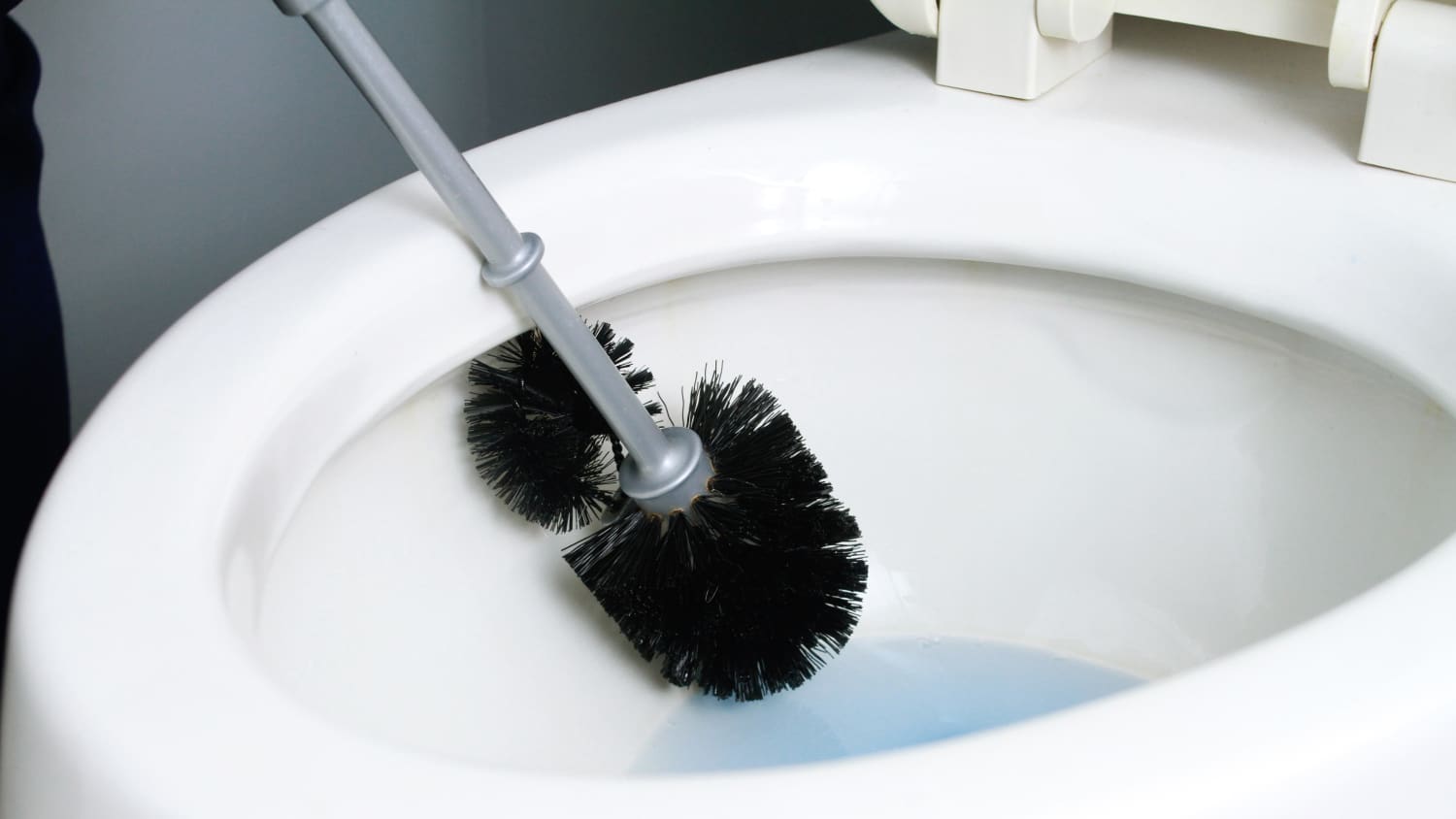
Credit: www.apartmenttherapy.com
Gather Necessary Supplies
Cleaning a toilet brush stained with poop can seem daunting. But with the right supplies, this task becomes manageable. Gathering the necessary items ensures a thorough clean and keeps the brush hygienic.
Gather Your Cleaning Gloves
Cleaning gloves protect your hands from germs. Choose durable gloves that can withstand harsh cleaning agents. Rubber gloves work best.
Get A Bucket Ready
A bucket helps soak the toilet brush. Fill it with warm water. This will assist in loosening dirt and stains.
Choose A Strong Disinfectant
Disinfectants kill bacteria and viruses. Opt for a bleach-based cleaner. It ensures a deep clean and fresh smell.
Find An Old Toothbrush
An old toothbrush helps scrub hard-to-reach areas. It removes stubborn debris. Use it to clean the bristles thoroughly.
Prepare Some Baking Soda
Baking soda acts as a mild abrasive. It helps remove stains without scratching. Sprinkle it on the brush before scrubbing.
Grab A Cleaning Cloth
A cloth helps wipe down surfaces. Use it to dry the brush after cleaning. Ensure it is clean and absorbent.
Get A Small Container For Soaking
A container keeps the brush submerged. Make sure it fits the brush comfortably. Soak the brush in the solution for effective cleaning.
Safety Precautions
Cleaning a toilet brush with poop on it requires careful handling. Wear gloves to protect your hands. Use a disinfectant solution to kill germs effectively. Rinse thoroughly with hot water to ensure cleanliness.
Cleaning a toilet brush with poop on it might not be your favorite chore, but it’s crucial to ensure hygiene. Before diving into the task, consider the safety precautions you should take. Proper safety measures not only protect you from germs but also make the cleaning process more efficient.Use Protective Gear
Always wear rubber gloves when handling a dirty toilet brush. Gloves protect your hands from bacteria and the strong cleaning agents you’ll use. Consider wearing a face mask to avoid inhaling any harsh cleaning fumes.Ventilation Is Key
Make sure the bathroom is well-ventilated. Open a window or turn on the exhaust fan. Proper airflow helps in dissipating strong odors and prevents inhalation of harmful chemicals.Avoid Mixing Cleaning Agents
Never mix cleaning agents like bleach and ammonia. Combining them can create toxic fumes that are hazardous to your health. Stick to one cleaning product and follow the instructions on its label.Safeguard Against Spills
Keep a towel or old cloth nearby to catch any spills. Spills can make the floor slippery and increase the risk of accidents. A quick wipe can prevent slipping hazards and keep your workspace tidy.Disinfect After Cleaning
After cleaning the brush, disinfect the gloves, sink, and any surfaces you touched. Use disinfectant wipes or sprays for this task. This step ensures all germs are eradicated and your bathroom remains sanitary.Dispose Of Waste Responsibly
If you use paper towels or cloths, dispose of them properly. Seal them in a plastic bag before throwing them in the trash to prevent odor and contamination. This simple step can help maintain a clean environment. Have you ever considered how a few simple precautions can make an unpleasant task safer and more manageable? Implement these safety tips, and you’ll find cleaning a toilet brush less daunting and much more effective.Initial Rinse
Start by rinsing the toilet brush under warm water to remove any loose debris. Hold it over the toilet bowl to let the water and waste flow away. This quick step makes deep cleaning easier and more effective.
Cleaning a toilet brush might not be your favorite household chore, especially when it’s contaminated with poop. Yet, with the right approach, you can tackle this task efficiently and restore your brush to a hygienic state. The first step in this process is the ‘Initial Rinse’, a crucial action that sets the stage for deeper cleaning. Before you begin, gather a pair of rubber gloves, a bucket, and a hose or faucet with strong water pressure. Having these at hand makes the task quicker and less messy. You’ll appreciate the organization when faced with an unpleasant chore.Wear Protective Gear
Put on rubber gloves to protect your hands from germs. This simple step can prevent potential skin irritation and ensure hygiene. Don’t forget, safety first!Locate A Suitable Area
Find an outdoor space or a bathroom with good drainage. A backyard or a tub can be ideal for this task. You want to avoid splashing dirty water around your living space.Initial Rinse Technique
Hold the toilet brush over the bucket or drain. Use the hose or faucet to rinse off visible debris. Aim for a steady stream of water to dislodge stubborn bits.Inspect The Brush
After rinsing, check the brush for remaining dirt. Look closely at the bristles to ensure thorough cleaning. If necessary, repeat the rinse until the brush looks clean.Thought Provoking Insight
Have you ever wondered why the initial rinse is so crucial? Removing surface dirt first prevents deeper contamination during subsequent cleaning stages. It’s like laying a foundation for more effective cleaning methods.Prepare For Next Steps
With the initial rinse complete, you’re ready to proceed to disinfecting. You’ve tackled the first hurdle in restoring your toilet brush. Are you feeling more confident now about tackling this chore? The initial rinse not only removes visible dirt but also mentally prepares you for the cleaning process ahead. Knowing that you’ve taken the first step makes the rest feel less daunting.
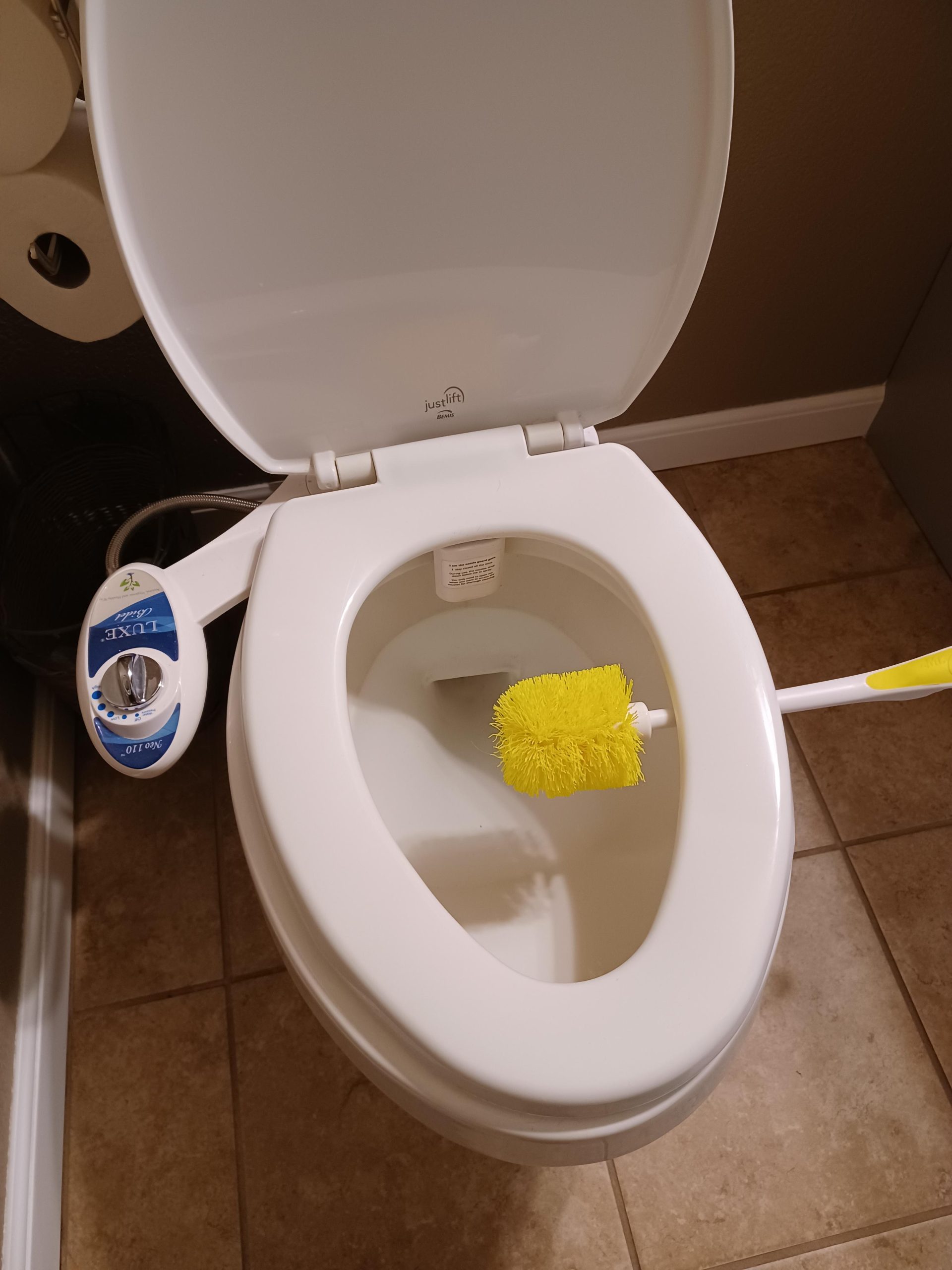
Credit: www.reddit.com
Soaking The Brush
Cleaning a toilet brush with poop on it requires careful soaking. Soaking helps break down stubborn waste. It also sanitizes the brush effectively. Here’s how to do it right.
Prepare A Cleaning Solution
Fill a bucket with hot water. Add a disinfectant cleaner or bleach. Mix it well. Ensure the solution is strong enough to kill germs. This step is crucial for hygiene.
Submerge The Brush
Immerse the toilet brush in the prepared solution. Make sure the bristles are fully covered. Let it soak for at least 30 minutes. This helps in loosening the debris.
Agitate The Solution
Swirl the brush in the solution occasionally. This motion helps dislodge any stuck particles. Agitation is key for a thorough clean. It enhances the soaking process.
Wear gloves during this process. Protect your skin from harsh chemicals. Also, ensure good ventilation in the area. This helps avoid inhaling any strong fumes.
Effective Cleaning Solutions
Cleaning a toilet brush with poop requires care and proper technique. Rinse the brush under hot water to remove debris. Then, soak it in a mixture of bleach and water for thorough sanitation, ensuring the brush is fully submerged for effective cleaning.
Cleaning a toilet brush with poop on it might not be your favorite chore, but it’s essential for maintaining hygiene in your bathroom. Effective cleaning solutions can transform this unpleasant task into a manageable one. With the right techniques, you can ensure your toilet brush is spotless and ready for its next use. Let’s dive into some practical methods that will make this task easier and more efficient.Use Bleach For Deep Cleaning
Bleach is a powerful disinfectant that can tackle tough stains and bacteria. Start by filling a bucket with hot water and adding a few cups of bleach. Submerge the toilet brush and let it soak for 30 minutes. This process not only cleans but also sanitizes the brush. You might wonder, is bleach really necessary? Think about the germs that could linger otherwise.Vinegar And Baking Soda Combo
If you’re looking for a natural alternative, vinegar and baking soda are your best friends. Sprinkle baking soda generously over the brush, then pour vinegar on top. Watch the fizzing action work its magic as it lifts stains and grime. Let it sit for 20 minutes, then rinse with hot water. Ever tried this method for other cleaning tasks? You might be surprised at its effectiveness.Soap And Hot Water Scrub
Sometimes, simple solutions are the most effective. Use dish soap and hot water for a thorough scrub. Apply soap directly to the brush, and use a gloved hand to scrub vigorously. Rinse with hot water until all soap residue is gone. Does this remind you of cleaning other household items? Simple yet efficient.Utilizing Disinfectant Spray
For a quick clean, disinfectant spray can be handy. Spray the brush thoroughly and let it sit for a few minutes before rinsing. This method is perfect for regular maintenance between deep cleans. You might already use disinfectant spray for other surfaces—why not extend it to your toilet brush?Drying And Storage Tips
After cleaning, ensure the brush dries completely to prevent mold. Leave it in a well-ventilated area or under direct sunlight. Store it in a holder that allows for airflow. Have you ever considered how improper storage can affect cleanliness? Proper drying and storage make a big difference. Cleaning a toilet brush might not be glamorous, but with these solutions, you can tackle the task efficiently. Which method will you try first?Scrubbing Techniques
Cleaning a toilet brush with poop on it involves rinsing it with hot water and applying disinfectant. Scrub the bristles thoroughly, ensuring all residue is removed. Allow the brush to air dry in a well-ventilated area.
Cleaning a toilet brush with poop on it might not be anyone’s favorite task, but knowing the right scrubbing techniques can make it much more manageable. A toilet brush is an essential tool in maintaining bathroom hygiene, yet it often gets neglected in our cleaning routine. By paying attention to how you scrub, you can ensure your brush is not just clean, but also safe to use the next time nature calls.Proper Grip And Angle
Hold the brush firmly, ensuring you have a good grip. This prevents slipping and splashing. Position the brush at a slight angle to maximize contact with the bristles and the surface you’re cleaning. The right angle allows you to apply pressure where it’s needed most.Effective Brushing Motions
Use short, quick strokes when scrubbing. This technique helps dislodge any stubborn residue. Long, sweeping motions might seem thorough, but they often spread the mess around rather than cleaning it up. Consider the difference it makes when you’re brushing your teeth—short, repetitive strokes clean more effectively.Applying Pressure
Find the balance between applying enough pressure to clean effectively and being gentle enough not to damage the bristles. Too much pressure can wear out your brush quickly. Think of it like pressing a sponge against a surface—enough to clean, but not so hard that it tears.Rinsing During The Process
Rinse the brush frequently as you scrub. This prevents the buildup of grime on the bristles. It’s like washing a paintbrush while painting; frequent rinsing keeps the colors vibrant and true.Using A Disinfectant
Integrate a disinfectant into your scrubbing routine. Spray or pour it onto the brush during cleaning. This ensures that not only visible dirt is removed, but also invisible germs are eradicated. Have you ever wondered how much bacteria lurk on a seemingly clean surface? This step takes care of that. Cleaning a toilet brush doesn’t have to be a dreaded chore. By refining your scrubbing techniques, you can transform this task into a simple, quick, and effective part of your cleaning routine. What scrubbing secrets do you swear by? Share them below and help others tackle this less-than-glamorous task with ease!Rinsing And Drying
Rinse the toilet brush under hot water to remove debris. Use a disinfectant spray, scrubbing thoroughly. Let it dry in a well-ventilated area.
Cleaning a toilet brush with poop on it is not a task anyone looks forward to, but it’s an essential part of maintaining a hygienic bathroom. Once you’ve tackled the initial mess, the next step is rinsing and drying the brush properly. This process ensures your brush is not only clean but also ready for future use without harboring any unpleasant odors or bacteria.Rinsing The Toilet Brush
Rinse the brush thoroughly under hot water. The heat helps in killing any remaining germs and loosening any stubborn residue. If your bathroom has a showerhead with a hose, you can use it to direct a strong stream of water onto the brush, reaching every bristle. After rinsing, consider using a disinfectant spray or a mild bleach solution. Spray it generously over the entire brush. This step adds an extra layer of cleanliness, ensuring no harmful bacteria are left behind.Ensuring Proper Drainage
After rinsing, shake the brush gently to remove excess water. This prevents water from pooling at the bottom of the holder, which can lead to unpleasant smells. You might have noticed a foul odor before and wondered why—it’s often due to stagnant water. Place the brush in its holder upside down. This position allows any remaining water to drain out completely. Not only does this help in drying, but it also prevents the accumulation of moisture at the base.Drying The Brush
Find a sunny spot or a well-ventilated area to place the brush. Sunlight is a natural disinfectant and helps in drying the brush faster. If sunlight isn’t an option, use a fan or open a window to facilitate airflow. Leave the brush to dry for a few hours. You might be tempted to store it away quickly, but patience here prevents mold and bacteria growth. Can you imagine the horror of pulling out a moldy brush next time you need it?Preventing Future Mess
To prevent similar situations, consider cleaning the toilet brush more frequently. After each use, a simple rinse can save you the trouble of a deep clean later. Additionally, investing in a good quality brush with durable bristles can make the cleaning process less daunting. Remember, maintaining a clean toilet brush is not just about cleanliness, but also about ensuring your bathroom remains a pleasant place. Have you tried any unique tips for drying a toilet brush? Share your experiences and let’s keep the conversation going!
Credit: www.youcustomizeit.com
Disinfecting Methods
Cleaning a toilet brush with poop on it can be unpleasant. Disinfecting methods are crucial to ensure hygiene and safety. Proper cleaning will prevent germs from spreading in your bathroom. Let’s explore the best ways to disinfect a toilet brush effectively.
Using Bleach Solution
Bleach is a powerful disinfectant. Mix one part bleach with ten parts water. Submerge the brush in the solution for 30 minutes. Rinse thoroughly with hot water. This kills bacteria and neutralizes odors.
Vinegar And Baking Soda
Natural cleaning agents are effective. Vinegar and baking soda are great options. Sprinkle baking soda on the brush. Pour vinegar over it. Let the fizzing action clean the bristles. Rinse well with warm water.
Boiling Water Soak
Boiling water eliminates germs efficiently. Boil water in a pot. Place the brush in the pot carefully. Let it soak for 15 minutes. Remove and let it cool before rinsing.
Hydrogen Peroxide Bath
Hydrogen peroxide is a reliable disinfectant. Fill a bucket with water and add hydrogen peroxide. Immerse the brush in the mixture for 20 minutes. Rinse with clean water afterwards.
Alcohol Spray
Alcohol is a quick disinfectant. Fill a spray bottle with rubbing alcohol. Spray the brush generously. Allow the alcohol to dry. It kills germs and leaves a clean scent.
Commercial Disinfectant Products
Commercial products are convenient. Choose a disinfectant spray designed for bathroom use. Follow the instructions on the label. Ensure the brush is completely dry before storing.
Proper Storage
Proper storage is essential after cleaning a toilet brush with poop on it. Rinse thoroughly with hot water and disinfect with bleach or vinegar. Allow it to dry completely before storing in a well-ventilated area.
Proper storage of your toilet brush after cleaning is essential to maintain hygiene and prevent unpleasant odors. But how often do you think about where you place your toilet brush? Improper storage can lead to bacterial growth and a less than pleasant bathroom experience. Let’s dive into some effective ways to store your toilet brush, ensuring it stays clean and fresh.Choose The Right Holder
Select a holder that allows your brush to dry quickly. An open holder or one with ventilation holes is ideal. This prevents moisture buildup and reduces the chances of bacteria multiplying.Keep It Accessible
Place the toilet brush holder near the toilet but not in a way that obstructs movement. It should be easy to access when you need it, without being an eyesore.Avoid Closed Spaces
Storing the brush in a closed cabinet can trap moisture and encourage bacteria growth. Instead, opt for a discreet corner of the bathroom where air circulates freely.Regular Clean-ups
Check the holder regularly and clean it. Wipe it with a disinfectant to keep the area sanitary. This simple habit ensures you don’t overlook a potential germ hotspot.Consider A Double Holder
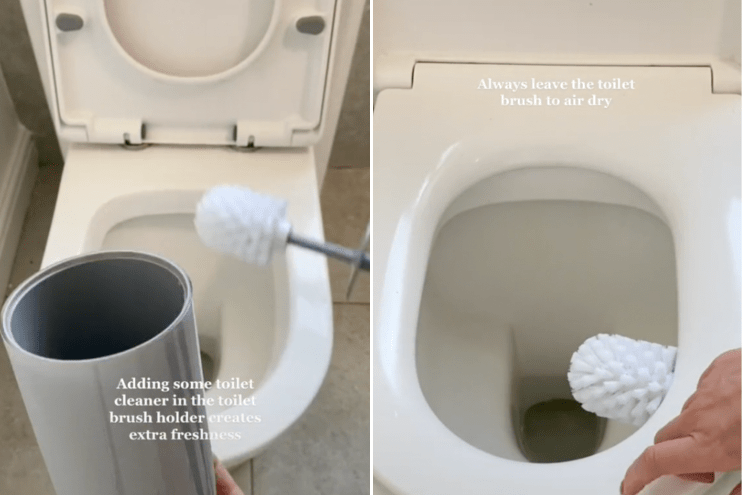
If space allows, use a double holder to store a cleaning solution alongside your brush. This makes it easier to rinse the brush after use, keeping it fresher for longer.Think About Your Guests
If you’re having guests over, think about their experience. A well-maintained toilet brush holder contributes to the overall cleanliness and impression of your bathroom. Proper storage is more than just a practical step; it’s a part of ensuring your bathroom remains a clean and pleasant space. Wouldn’t you rather have peace of mind knowing your bathroom essentials are stored correctly?Frequently Asked Questions
How Often Should You Clean A Toilet Brush?
Cleaning your toilet brush weekly is ideal. This helps prevent the buildup of bacteria and unpleasant odors. Use a disinfectant solution, soak the brush for a few minutes, then rinse thoroughly. Air-dry the brush to ensure it’s completely dry before storing it back in its holder.
Can You Wash A Toilet Brush In The Dishwasher?
It’s not recommended to wash a toilet brush in the dishwasher. This can spread harmful bacteria. Instead, soak the brush in a disinfectant or bleach solution. Rinse it thoroughly afterward. Always air-dry the brush to ensure all bacteria are eliminated.
This method is safer and more hygienic.
What Cleaning Products Are Safe For Toilet Brushes?
Use disinfectant or bleach solutions to clean toilet brushes effectively. These products kill germs and bacteria efficiently. Avoid using harsh chemicals that can damage the brush bristles. Always follow the instructions on the cleaning product label. Rinse thoroughly and air-dry the brush after cleaning.
How To Store A Toilet Brush After Cleaning?
Store a toilet brush in a holder that allows proper drainage and air circulation. This prevents bacteria growth. Make sure the brush is completely dry before storing. Use holders with ventilation holes to help it dry faster. Regularly clean the holder to maintain hygiene and freshness.
Conclusion
Cleaning a toilet brush is simple with the right steps. Start by rinsing it thoroughly with hot water. Use a disinfectant solution to soak the brush. This kills germs effectively. Scrub gently to remove any stubborn residue. Rinse again with hot water.
Let it dry completely to avoid bacteria growth. Regular cleaning prevents bad odors and extends the brush’s life. A clean brush means a cleaner bathroom. Follow these steps each time you clean. Your toilet brush will stay fresh and ready for use.

Home Improvement Specialist & Writer at HomeFixio
Caden Rutherford is a seasoned home improvement specialist with extensive hands-on experience in residential construction, renovations, and design. With a keen eye for detail and a passion for transforming spaces, Caden shares practical advice and expert solutions to enhance the functionality and beauty of homes. As a writer for HomeFixio, Caden combines technical knowledge with creative flair, providing readers with informative guides on everything from structural improvements to aesthetic upgrades, empowering homeowners to achieve their ideal living spaces.