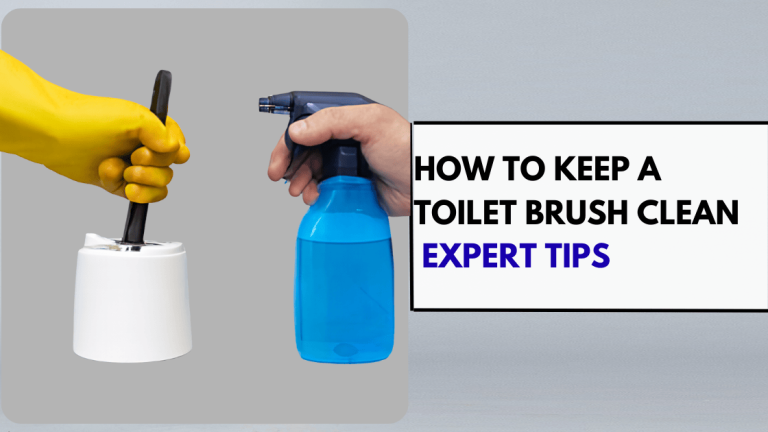
How to Clean a Toilet Brush After Use: Expert Tips
You’ve just finished cleaning your bathroom, and it feels great—except for one thing. The toilet brush, your trusty cleaning companion, is now dirty and sitting there, waiting for your attention.
You might be tempted to just ignore it, but leaving it uncleaned is not a good idea. It’s important to clean your toilet brush properly to keep your bathroom hygienic and fresh. But how do you do that without making a mess?
Don’t worry; in this guide, we’ll show you simple and effective steps to clean your toilet brush after use. You’ll discover easy tips that will make this task quick and hassle-free, ensuring your bathroom stays a clean haven. Keep reading to find out how to make your toilet brush fresh and ready for its next job!
:max_bytes(150000):strip_icc()/how-to-clean-a-toilet-brush-and-holder-5194937_15-67fdc7851a004558b8c5c390f334345a.JPG)
Credit: www.thespruce.com
Importance Of Cleaning Toilet Brushes
Cleaning toilet brushes is crucial for maintaining hygiene. Dirty brushes harbor germs and bacteria. These germs can spread to other bathroom surfaces. This can lead to unpleasant odors and health risks. Regular cleaning ensures a safe bathroom environment.
Why Clean Your Toilet Brush?
Toilet brushes scrub away grime and stains. They collect germs and bacteria during use. Without cleaning, these germs multiply. This results in a dirty, unhygienic brush. A clean brush prevents the spread of germs.
Preventing Bathroom Odors
Dirty brushes cause bad smells in bathrooms. These odors can linger and become unpleasant. Cleaning the brush eliminates these smells. A fresh-smelling bathroom is more pleasant. Regular cleaning keeps the air clean.
Prolonging Brush Lifespan
Proper cleaning extends the brush’s life. Dirt and grime wear out the bristles. Clean bristles last longer. Save money by maintaining your brush. A well-kept brush works better.
Ensuring Effective Cleaning
A clean brush cleans toilets effectively. Dirty brushes spread more germs. They make cleaning less efficient. Clean brushes remove stains better. Keep your brush clean for effective results.
Easy Cleaning Methods
Cleaning a brush is simple. Use soap and hot water. Disinfect with vinegar or bleach. Rinse thoroughly and let it dry. Store in a dry place. Repeat regularly for best results.
Materials Needed
Gather essential cleaning materials like disinfectant spray, rubber gloves, and hot water. Ensure a bucket is ready for soaking. Prepare an old toothbrush for scrubbing stubborn stains and grime.
Cleaning a toilet brush might not be the most glamorous chore, but it’s essential to maintain hygiene in your bathroom. Often overlooked, the materials you use can make this task easier and more effective. Imagine having everything you need at hand; it transforms cleaning from a dreaded task into a straightforward routine. Let’s dive into the specific materials required to ensure your toilet brush is not just clean, but sparkling!
Cleaning Solutions
The right cleaning solution is your best ally. You want something that’s tough on germs but gentle on the environment. Consider using a mixture of bleach and water. It’s a classic choice because it’s affordable and effective. For a more eco-friendly option, opt for vinegar and baking soda. This combination is powerful, cutting through grime without harsh chemicals. A third option is commercial bathroom cleaners. They offer convenience and come in various scents, making your bathroom smell fresh.
Protective Gear
Don’t underestimate the importance of protective gear. It’s not just about cleanliness, it’s about safety. Rubber gloves are essential. They protect your skin from harsh chemicals and keep your hands clean. An apron or old clothes can be helpful. You don’t want bleach splashes on your favorite shirt! If you’re using strong chemicals, consider wearing a mask. It can help prevent inhaling fumes, ensuring your cleaning experience is safe and comfortable. Have you ever thought about how a simple glove can save your day? It’s those small details that make cleaning less stressful. By gathering these materials, you streamline your cleaning process. Have them ready, and you’ll breeze through the task with ease. Are there other materials you think could make this job easier or more efficient?
Step-by-step Cleaning Process
Cleaning a toilet brush is essential to prevent germs. Rinse the brush thoroughly with hot water. Disinfect it using a mixture of bleach and water, letting it soak for 30 minutes. Dry completely before storing.
Cleaning your toilet brush might not be the most glamorous task, but it’s essential for maintaining a hygienic bathroom. Ever wondered if there’s a right way to do it? By following a clear step-by-step cleaning process, you can ensure your brush is clean and ready for its next use. Let’s dive into a methodical approach to keep your toilet brush in tip-top shape.
Pre-cleaning Preparation
Begin by gathering necessary supplies. You’ll need gloves, a disinfectant spray or solution, and a bucket or container. Consider the space where you’ll clean the brush. An area with good ventilation is ideal, as some disinfectants can be quite strong. Wear gloves to protect your hands from germs and harsh chemicals. You wouldn’t want any of those sneaky germs making themselves at home on your skin.
Disinfecting The Brush
Submerge the brush in a bucket filled with a disinfectant solution. Ensure the bristles are completely covered. Let it soak for at least 30 minutes. This allows the disinfectant to work its magic on any lingering bacteria. Use a spray disinfectant if you prefer a quicker method. Spray thoroughly and let it sit for a few minutes.
Rinsing Techniques
Rinse the brush under hot water. This helps remove any remaining disinfectant and loosens any stuck dirt. Ensure the water runs through the bristles. You want to make sure it’s thoroughly cleaned. Consider rinsing in a sink or bathtub for ease. It gives you more control over water flow and helps prevent splashes.
Drying Methods
Shake off excess water from the brush. You don’t want it sitting in a pool of water. Find a well-ventilated area to let the brush air dry. A dry brush is less likely to harbor bacteria. Keep it upright while drying. This allows gravity to do its part in removing residual moisture. Have you ever thought about how often you should clean your toilet brush? By making it a regular habit, you’ll keep your bathroom cleaner and healthier.
Storage Tips
Properly cleaning your toilet brush keeps it hygienic. Rinse the brush with hot water after each use. Use a disinfectant spray or soak it in a bleach solution for 10 minutes to kill germs. Let it dry completely before storing to prevent bacteria growth.
Cleaning a toilet brush is an essential chore, but what comes next is equally important—storing it correctly. Proper storage of your toilet brush not only extends its lifespan but also keeps your bathroom hygienic. You wouldn’t want to clean your toilet only to find out that the brush itself has become a breeding ground for germs. So, how do you store it efficiently?
Proper Placement
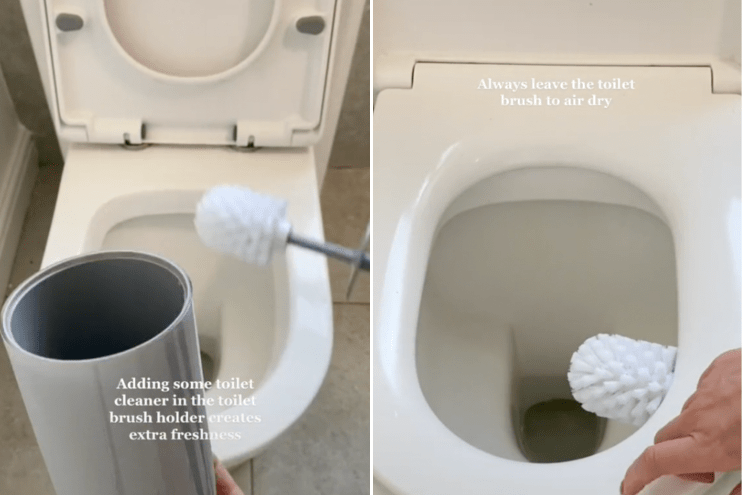
Finding the right spot for your toilet brush can make all the difference. You should place it somewhere accessible yet discreet. Consider a corner behind the toilet or within a designated holder that keeps the brush upright. This prevents water from collecting at the base and ensures it dries properly. Avoid placing it close to other bathroom items; you don’t want cross-contamination.
Ventilation Considerations
Air circulation is key to keeping your toilet brush clean and odor-free. After use, ensure that the brush has ample ventilation to dry effectively. A damp brush is a magnet for bacteria. You can leave the bathroom window open or use an exhaust fan to enhance airflow. If your brush has a cover, make sure it has ventilation holes. Have you ever noticed how a well-ventilated bathroom feels fresher? That’s the power of airflow. By focusing on proper placement and ventilation, you ensure that your brush remains clean and ready for the next use. Is there a specific spot in your bathroom that you think would be perfect for storing your brush, but haven’t tried yet?
Common Mistakes To Avoid
Avoid soaking the brush in dirty water for too long. Rinse thoroughly after cleaning to remove residue. Let it dry completely in a well-ventilated area to prevent mold and bacteria growth.
Cleaning a toilet brush may seem straightforward, yet many overlook crucial steps. Mistakes can lead to germs spreading or the brush wearing out quickly. Proper cleaning and storage extend the brush’s lifespan and maintain hygiene. Avoid these common pitfalls to ensure your toilet brush stays effective.
Inadequate Cleaning
Rinsing a toilet brush under water is not enough. Many skip using disinfectant, leaving germs on the brush. A quick rinse leaves bacteria behind, which can spread. Use a strong disinfectant cleaner. Soak the brush for at least 10 minutes. This ensures germs are killed and the brush is safe to use again.
Improper Storage
Storing a wet brush in a closed container invites bacteria. Many place the brush back immediately after cleaning. This traps moisture and promotes mold growth. Allow the brush to dry completely. Store it in a well-ventilated area. Make sure air can circulate around it. This helps prevent bacterial growth and keeps the brush sanitary.
Expert Tips For Maintenance
Keeping your toilet brush clean ensures hygiene and longevity. Many overlook this task, but it’s crucial. Below are expert tips for maintaining your toilet brush. These tips will help keep your brush effective and sanitary.
Regular Cleaning Schedule
Set a regular cleaning schedule for your toilet brush. Clean it at least once a week. After each use, rinse the brush with hot water. This removes residue and bacteria. Let it dry completely before storing. A damp brush attracts germs. Regular cleaning keeps your bathroom fresh.
Choosing Quality Brushes
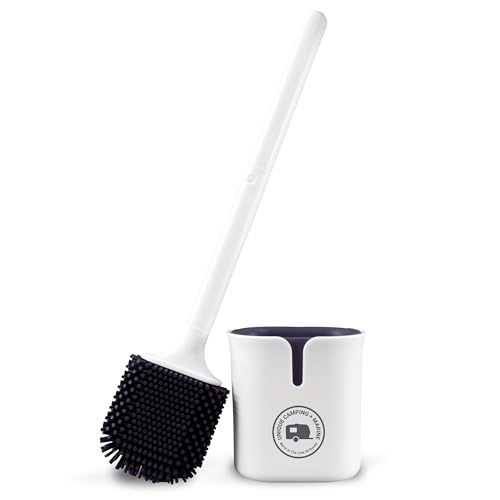
Invest in a quality toilet brush. Look for brushes with durable bristles. They last longer and clean better. A sturdy handle provides better control. Consider brushes with a holder that allows airflow. This helps the brush dry faster. Quality brushes reduce the frequency of replacements.
Environmental Considerations
Keeping the environment in mind, cleaning a toilet brush involves using natural solutions. Opt for vinegar and baking soda to sanitize effectively. Rinse thoroughly with hot water to remove residues, ensuring eco-friendly cleaning practices.
Cleaning a toilet brush might not be your favorite chore, but considering the environmental impact can make it feel more rewarding. Many cleaning products contain harsh chemicals that can harm the environment. Choosing eco-friendly methods can help reduce your footprint while keeping your bathroom clean.
Eco-friendly Products
Opt for cleaning products that are biodegradable and free from harmful chemicals. Brands like Seventh Generation and Method offer toilet cleaners made from plant-based ingredients. These options are less likely to harm aquatic life when they enter the water system. You can also make your own cleaner using simple ingredients. Mixing vinegar and baking soda can create a powerful yet gentle cleaning solution. Have you tried using essential oils? A few drops of tea tree oil can add a natural antibacterial boost.
Waste Disposal
Think about how you dispose of cleaning materials. Many people throw away paper towels after a single use, but reusable cloths are a more sustainable choice. You can wash and reuse them, reducing the amount of waste you produce. When it’s time to replace your toilet brush, consider the material. Look for brushes made from biodegradable materials, like bamboo, which break down naturally over time. Throwing less plastic into landfills can make a big difference. Reflect on your cleaning habits. Could you make a small change that benefits the environment? Making thoughtful choices doesn’t require a lot of effort, but it contributes to a healthier planet.
Credit: nypost.com

Credit: cleanmama.com
Frequently Asked Questions
How Often Should You Clean A Toilet Brush?
Clean your toilet brush after every use to maintain hygiene. Rinse it with hot water and disinfectant. Regular cleaning prevents bacteria buildup. It’s essential to let the brush dry completely before storing it. This practice ensures your toilet remains as clean as possible.
What Is The Best Disinfectant For Toilet Brushes?
Use a bleach solution or a commercial disinfectant to clean toilet brushes effectively. These solutions kill bacteria and prevent odors. Soaking the brush in disinfectant for 10 minutes is recommended. Ensure thorough rinsing and drying to avoid chemical residues.
Can You Put A Toilet Brush In The Dishwasher?
It’s not recommended to put a toilet brush in the dishwasher. Dishwashers are for kitchenware and may not sanitize brushes effectively. Manual cleaning with disinfectants ensures better hygiene. It also prevents cross-contamination with kitchen items. Always air-dry the brush after cleaning.
How Do You Prevent A Toilet Brush From Smelling?
To prevent odors, clean and disinfect the toilet brush regularly. Rinse thoroughly after each use and let it dry completely. Store it in a ventilated holder. Using essential oils in the holder can also help keep it fresh. Regular maintenance is key to odor control.
Conclusion
Cleaning a toilet brush is essential for hygiene. Start by rinsing the brush thoroughly. Use hot water and disinfectant. Scrub the handle too. Let it soak for a few minutes. Rinse again to remove any cleaner. Dry it completely before storing.
This prevents bacteria growth. Store the brush in a ventilated holder. Regular cleaning keeps your bathroom safe and fresh. It’s a simple routine that makes a big difference. Follow these steps for a cleaner home environment. Keep your tools clean.
Your family deserves a healthy space.

Home Improvement Specialist & Writer at HomeFixio
Caden Rutherford is a seasoned home improvement specialist with extensive hands-on experience in residential construction, renovations, and design. With a keen eye for detail and a passion for transforming spaces, Caden shares practical advice and expert solutions to enhance the functionality and beauty of homes. As a writer for HomeFixio, Caden combines technical knowledge with creative flair, providing readers with informative guides on everything from structural improvements to aesthetic upgrades, empowering homeowners to achieve their ideal living spaces.