

How to Clean Burnt Saucepan: Quick & Effective Tips
Imagine this: you’ve just cooked a delicious meal, and while basking in the aftermath of culinary success, you notice the saucepan. It’s blackened and burnt, a stubborn reminder of your kitchen adventure.
You feel a wave of frustration because cleaning it seems impossible. But don’t worry, you’re not alone, and there’s a solution that will make this task easier than you think. You’ll discover simple yet effective ways to restore your saucepan to its former glory.
Say goodbye to scrubbing endlessly and hello to tried-and-true methods that really work. Ready to learn how to save your saucepan and save yourself time and effort? Keep reading, because what comes next will change the way you tackle burnt cookware.
Common Causes Of Burnt Saucepans
Cleaning a burnt saucepan can be a hassle. Understanding why saucepans burn helps prevent this kitchen disaster. Many cooks face this issue, but knowing the causes can save time and effort.
Overheating The Pan
Overheating is a common reason saucepans burn. High temperatures scorch food quickly. This often happens with electric stoves. The burner heats up fast, catching cooks off guard.
Using The Wrong Oil
Some oils have low smoke points. They burn easily under high heat. Olive oil, for instance, may burn faster than other oils. This leaves a charred residue on the pan.
Neglecting To Stir
Food sticks to the bottom when not stirred. It burns and creates a stubborn layer. This is especially true for sauces and soups. Constant stirring prevents sticking and burning.
Cooking Too Fast
Cooking on high speed risks burning food. Rushed meals often result in burnt pans. Slowing down ensures even cooking. It also keeps the saucepan clean and safe.
Essential Cleaning Supplies
Burnt saucepans are a common kitchen issue. Cleaning them can be daunting. Knowing the right supplies can make it easier. The right tools can save time and effort. Let’s explore the essential cleaning supplies.
1. Baking Soda
Baking soda is a natural cleaner. It is non-toxic and gentle. Mix it with water to form a paste. This paste helps lift burnt residues.
2. White Vinegar
White vinegar is acidic. It breaks down tough stains. Pour it into the pan and let it sit. It helps loosen the burnt food.
3. Dish Soap
Dish soap cuts through grease. Use it with hot water. It helps wash away loosened debris. It’s a staple in cleaning routines.
4. Scrub Brush Or Sponge
A scrub brush helps remove stubborn stains. A sponge works for less tough spots. Choose the right one for your pan. Ensure it won’t scratch the surface.
5. Salt
Salt acts as an abrasive. It helps scrub away burnt bits. Mix it with vinegar for extra power. This combination works on tough stains.
6. Boiling Water
Boiling water softens burnt food. Pour it into the pan first. Let it sit before scrubbing. This loosens debris for easier cleaning.
7. Lemon Juice
Lemon juice is acidic like vinegar. It has a pleasant scent. Use it to add fresh smell. It also helps lift stains.
8. Steel Wool
Use steel wool for tough, stubborn spots. It’s effective on metal pans. Be gentle to avoid scratching. It works best on stainless steel.
Immediate Steps After Burning
Act fast after burning a saucepan to ease the cleaning process. Quickly soak it in hot, soapy water to loosen the burnt bits. Scrub gently with a soft sponge to avoid scratching the surface.
Cleaning a burnt saucepan can feel like a daunting task, especially when faced with stubborn charred remains. However, acting promptly after the mishap can make the cleaning process much easier. Immediate steps are crucial to prevent further damage and save your favorite cookware from being discarded.Remove The Pan From Heat
Once you notice your saucepan burning, quickly remove it from the heat source. This prevents further burning and allows the pan to cool down, making it safer to handle. Safety first—ensure you use oven mitts or a towel to avoid burns.Let It Cool Down
Allow the saucepan to cool naturally. Placing a hot pan in cold water can cause warping or cracking, ruining your cookware. Patience is key here. Once it’s cool enough to touch, you can proceed to the next step.Scrape Off Loose Debris
Use a wooden spoon or spatula to gently scrape off any loose food particles. Avoid metal utensils as they can scratch the surface of your pan. Why wooden? It’s gentle yet effective, preserving the integrity of your saucepan.Assess The Damage
Take a moment to evaluate the extent of the burn. Is it just a thin layer or a thick crust? Understanding the severity helps you decide the best cleaning method. Is it salvageable, or is it time to consider buying a new one?Soak In Hot Water
Fill the saucepan with hot water and a few drops of dish soap, letting it soak for at least an hour. This helps loosen burnt residues. You’ll be amazed at how this simple step can make a world of difference.Add Baking Soda
After soaking, sprinkle baking soda over the burnt areas. Baking soda acts as a mild abrasive, making it easier to scrub off stubborn spots. Did you know this pantry staple could be your kitchen superhero?Use Elbow Grease
Grab a non-abrasive scrub pad and start scrubbing. A little effort goes a long way in restoring your saucepan to its former glory. How much energy are you willing to invest in saving your favorite pan? Cleaning a burnt saucepan might seem frustrating, but with these immediate steps, you can tackle the problem effectively and extend the life of your cookware.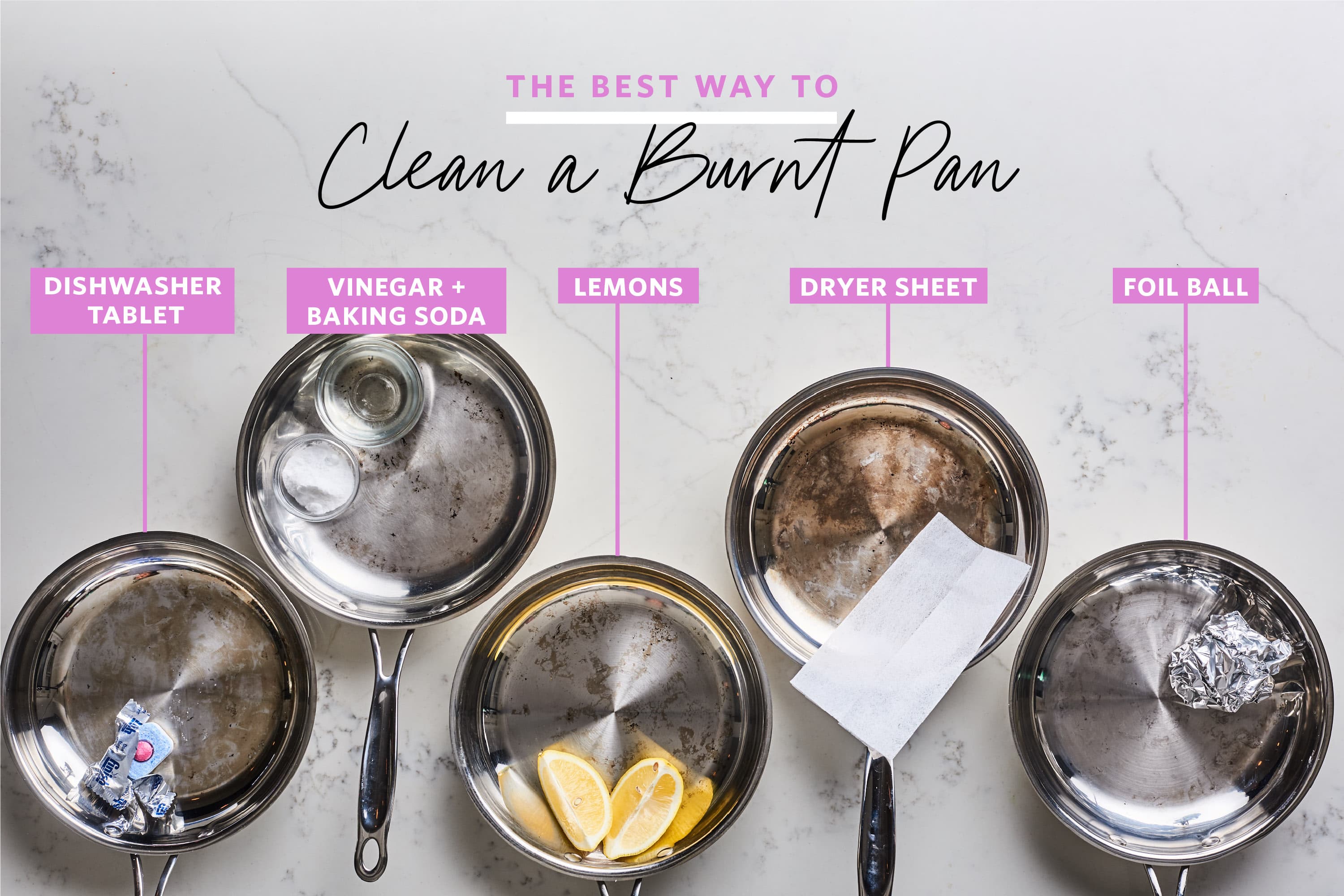
Credit: www.thekitchn.com
Natural Cleaning Methods
Cleaning a burnt saucepan without harsh chemicals is a smart choice. Natural cleaning methods are gentle on cookware and safe for your home. These techniques use common household items to restore your cookware’s shine.
Using Baking Soda And Vinegar
Baking soda and vinegar are powerful cleaning agents. Start by sprinkling baking soda over the burnt area. Pour vinegar over the baking soda. This creates a fizzing reaction. Let the mixture sit for 15 minutes. Scrub gently with a sponge or brush. Rinse with warm water. Repeat if needed for stubborn stains. This method is effective and eco-friendly.
Lemon And Salt Technique
Lemon and salt work wonders on burnt pans. Cut a lemon in half. Sprinkle salt over the burnt spots. Use the lemon halves to scrub the area. The acidity of lemon lifts the burnt residue. Salt adds abrasiveness for tough stains. Leave the mixture for 10 minutes. Rinse with warm water. This technique leaves your pan fresh and clean.
Commercial Cleaning Products
Cleaning a burnt saucepan can be simple with the right products. Use baking soda and vinegar for effective results. Apply the mixture, let it sit, then scrub gently. Commercial cleaning products can also help, offering easy solutions for tough stains.
Ensure a sparkling clean saucepan with minimal effort.
Cleaning a burnt saucepan can be a daunting task, especially when it feels like nothing can remove those stubborn stains. Commercial cleaning products can be your savior, offering specialized solutions that make the job easier and more effective. Let’s explore how these products can help you achieve a sparkling clean saucepan without breaking a sweat.Understanding Commercial Cleaning Products
Commercial cleaning products are specifically designed to tackle tough stains and burnt residues. They contain powerful ingredients that break down grime and lift it away from surfaces. You might have seen advertisements promising miraculous results—often, these claims aren’t far from the truth. Consider products like Bar Keepers Friend or Dawn Power Dissolver. These have gained popularity for their effectiveness in restoring cookware to its original shine. They can save you time and effort compared to traditional cleaning methods.How To Use Them Effectively
Start by reading the instructions on the packaging carefully. Each product has specific guidelines to ensure safe and optimal usage. For instance, Bar Keepers Friend requires you to wet the surface before applying the powder. Let it sit for a few minutes, then scrub gently with a sponge. Dawn Power Dissolver works similarly, but it’s often ready to use without dilution. Ensure you wear gloves to protect your skin from harsh chemicals. Ventilate the kitchen to prevent inhaling fumes.Personal Experience With Commercial Products
I once tried cleaning a burnt saucepan with just soap and water—no luck. I then switched to a commercial cleaner, and the results were instant. The burnt residue came off effortlessly, leaving the pan looking new. Seeing that transformation was incredibly satisfying. It made me realize that investing in a good cleaning product can save both time and frustration.Pros And Cons
Pros: – Efficiency: They work quickly and effectively, reducing the time spent scrubbing. – Accessibility: Available at most supermarkets, these products are easy to find. – Versatility: Many can be used on various cookware and surfaces. Cons: – Cost: Some products can be pricier than DIY solutions. – Chemical Use: They contain harsh chemicals, which may not be suitable for everyone.Choosing The Right Product
Not all commercial cleaning products are created equal. It’s essential to choose one that suits your needs and preferences. Consider factors like price, environmental impact, and safety. Reading reviews can help you make an informed decision. Are you ready to try commercial cleaning products for your burnt saucepan? They could be the secret weapon you’ve been looking for.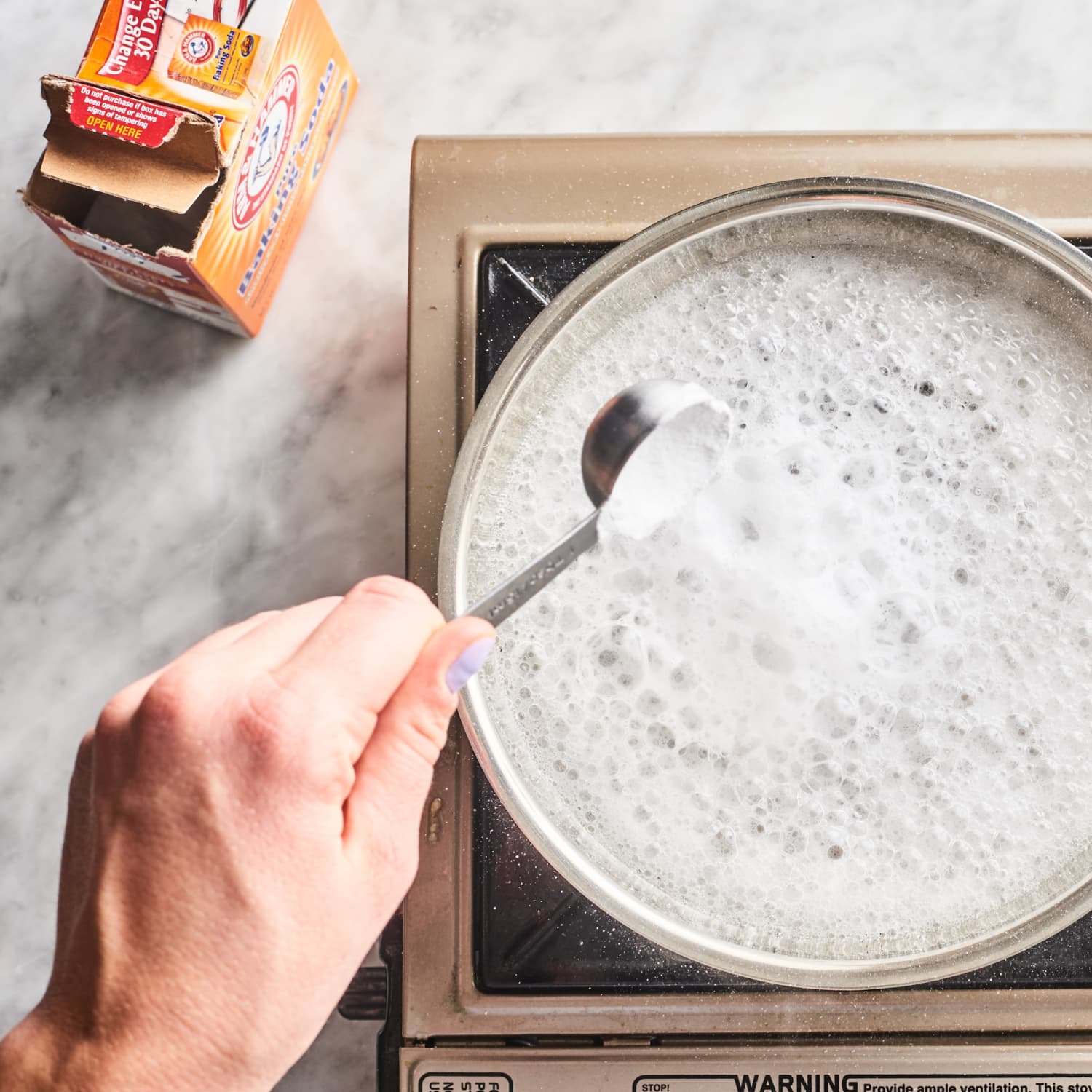
Credit: www.thekitchn.com
Soaking Techniques
Burnt saucepans can be a real headache in the kitchen. Luckily, soaking techniques can help restore your cookware to its original shine. These methods are easy and require minimal effort. They can save your saucepan from permanent damage. Let’s dive into different soaking techniques to clean burnt saucepans effectively.
Vinegar And Baking Soda Soak
Mix equal parts of vinegar and water in the pan. Bring the mixture to a boil. Once it boils, remove from heat and add baking soda. Let it sit for 15 minutes. The fizzing action helps lift the burnt residue. After soaking, scrub gently with a sponge or brush. Rinse thoroughly with water.
Lemon And Salt Method
Cut a lemon in half and rub it over the burnt area. Sprinkle a generous amount of salt on the lemon. The abrasiveness of salt helps remove the residue. Allow the mixture to sit for 10 minutes. Scrub the surface with the lemon halves. Rinse with warm water to finish.
Dish Soap And Hot Water Technique
Fill the pan with hot water and add a few drops of dish soap. Let it soak for at least 30 minutes. The hot water loosens the burnt food. Use a sponge or scouring pad to scrub away the residue. Rinse the pan thoroughly with clean water.
Commercial Cleaner Soak
Use a commercial cleaner specifically for cookware. Follow the instructions on the product label. Typically, you’ll need to soak the pan in the cleaner for a specified time. After soaking, scrub with a non-abrasive pad. Rinse the pan well to remove any cleaner residue.
Scrubbing Strategies
Removing burnt residue from a saucepan can be simple. Start by filling it with water and vinegar. Boil for a few minutes. Next, scrub gently with a baking soda paste. Rinse well. This method effectively restores your saucepan’s shine.
Cleaning a burnt saucepan can be tricky. But with the right scrubbing strategies, it becomes easier. In this section, learn about effective scrubbing techniques. Let’s dive into choosing the right tools and methods.Choosing The Right Scrubber
The right scrubber makes a difference. For burnt pans, not all scrubbers work well. A nylon brush is gentle yet effective. It removes burnt bits without scratching. For tougher stains, a steel wool pad is better. It tackles stubborn spots. Avoid using anything too abrasive. It might damage your pan.Proper Scrubbing Techniques
Use a circular motion when scrubbing. This helps lift burnt residues. Always scrub gently at first. Check if the burnt layer is coming off. Increase pressure if needed, but stay gentle. For persistent stains, soak the pan first. Warm water and baking soda work wonders. After soaking, scrubbing becomes easier. Always rinse the pan well after scrubbing. This ensures no residue remains. `Preventing Future Burnt Pans
Clean burnt saucepans effortlessly with baking soda and vinegar. Apply paste, let it sit, and scrub gently. Rinse thoroughly for a shiny finish. Enjoy cooking without worries!
Cleaning a burnt saucepan can be a daunting task. But, there’s a silver lining: you can prevent future mishaps with a few simple adjustments to your cooking routine. Preventing burnt pans not only saves you time and effort but also prolongs the lifespan of your cookware. Let’s explore some practical strategies to keep your pans in pristine condition.Understanding Heat Levels
To avoid burning your saucepans, it’s essential to understand how different heat levels affect cooking. High heat might speed up cooking, but it also increases the risk of burning. Try using medium heat for most dishes, especially when simmering or boiling. Have you ever noticed how quickly things can go wrong when you step away for just a moment? Keeping a close eye on your cooking helps prevent burning.Using Quality Cookware
Investing in quality cookware can make a world of difference. Non-stick pans or those with heavy bottoms distribute heat evenly. This reduces the chances of food sticking and burning. Consider how much you value durability over cost. High-quality pans may be more expensive but often pay off in the long run through better performance and longevity.Keep Pans Clean
Regular cleaning of your pans can prevent residue build-up, which often leads to burning. A clean pan heats more evenly and reduces sticking. Think about the last time you scrubbed off a burnt mess. How much easier would it be if you had maintained your pan’s cleanliness regularly?Using Proper Oil
Certain oils have higher smoke points, making them less likely to burn. Olive oil may be healthy, but it burns at lower temperatures than vegetable or canola oil. Which oils do you frequently use? Switching to oils with higher smoke points can help you avoid burnt pans.Monitoring Cooking Time
Time your cooking to prevent overcooking and burning. Recipes often come with recommended cooking times, which are there for a reason. Have you ever overestimated your cooking time, thinking it would be fine? Being diligent with timing can save you from the hassle of burnt pans. By adopting these practices, you can enjoy cooking without the constant worry of burning your pans. Engaging in these small adjustments could lead to a more pleasant kitchen experience. What changes will you make today to protect your cookware?When To Replace A Saucepan
Sometimes, cleaning a burnt saucepan isn’t enough. This is when you wonder if replacement is necessary. A saucepan is an essential tool in the kitchen. Knowing when it has reached its end is crucial.
Signs Of Damage
Inspect your saucepan regularly. Look for cracks or warping. These signs suggest it’s time for a change. A damaged saucepan can affect cooking results. It might also pose safety risks.
Loss Of Non-stick Surface
A non-stick surface wears out over time. Food starts sticking more than before. This means the coating is degraded. Cooking becomes harder and less enjoyable. Consider replacing it when this happens.
Persistent Burnt Smell
Sometimes, a burnt smell lingers. Despite thorough cleaning, it doesn’t go away. This smell can transfer to your food. A replacement might be the best option.
Frequent Food Burning
Food burns often in an old saucepan. This may result from uneven heat distribution. It indicates that the pan’s base is worn out. A new saucepan ensures better cooking results.
Rust And Discoloration
Rust is a major concern. It indicates material breakdown. Discoloration can also affect your cooking. These are clear signs to replace your saucepan.
Credit: www.youtube.com
Frequently Asked Questions
How To Remove Burnt Sauce From A Pan?
To remove burnt sauce, sprinkle baking soda over the burnt area. Add a little water to form a paste. Let it sit for 15 minutes, then scrub gently with a non-abrasive sponge. Rinse thoroughly and repeat if needed. This method helps lift burnt residue efficiently.
What Natural Methods Clean Burnt Saucepans?
Natural methods include using baking soda, vinegar, or lemon juice. Baking soda acts as a gentle abrasive. Vinegar breaks down burnt residues. Lemon juice can also help, thanks to its acidity. These solutions are effective and eco-friendly, making them ideal for cleaning burnt saucepans.
Can Vinegar Clean A Burnt Saucepan Effectively?
Yes, vinegar can effectively clean burnt saucepans. Pour enough vinegar to cover the burnt area. Bring it to a boil, then let it simmer for 10 minutes. Allow it to cool before scrubbing. This method helps loosen burnt residues, making it easier to clean without harsh chemicals.
Is Baking Soda Safe For Cleaning Pans?
Baking soda is safe and effective for cleaning pans. It acts as a mild abrasive that helps remove burnt food without scratching. Mix it with water to create a paste, apply, and scrub gently. It’s a natural, non-toxic option for maintaining your cookware.
Conclusion
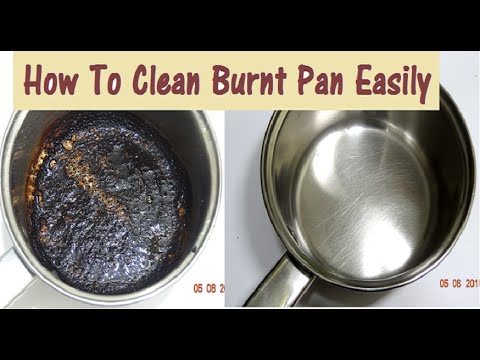
Cleaning a burnt saucepan doesn’t have to be hard. With the right steps, you can restore its shine. Start with hot water and baking soda. Scrub gently to avoid scratches. Vinegar works wonders for stubborn spots. Let it sit for a while.
Use a scouring pad for tough stains. Rinse thoroughly afterwards. Repeat if needed for best results. Keep your saucepan clean with regular care. It lasts longer and looks good. Enjoy cooking without burnt residue. A clean pan makes cooking more fun.
Your kitchen deserves it.

Home Improvement Expert & Senior Writer at HomeFixio
Eliot Granger is a seasoned home improvement expert with years of experience transforming living spaces. Specializing in everything from kitchen renovations to bathroom upgrades, Eliot shares his knowledge through practical, insightful articles. His passion for creating functional, beautiful homes drives him to offer expert tips and solutions for every corner of your house. As a trusted writer for HomeFixio, Eliot is dedicated to helping homeowners make informed decisions and achieve precision in their projects.


