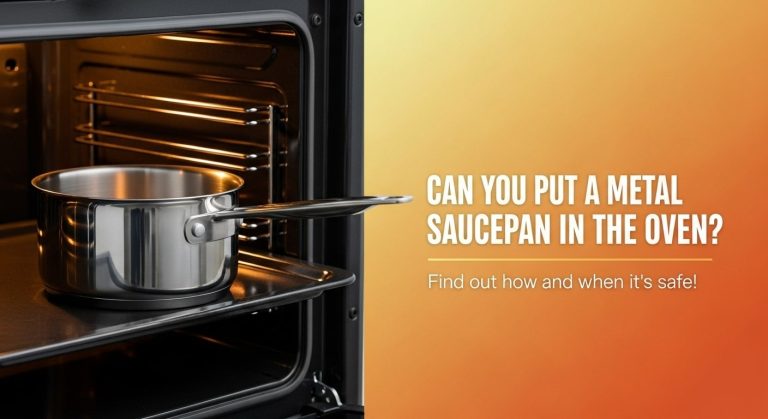
What is a Saucepan Look Like: A Visual Guide
Have you ever stood in a kitchen store, surrounded by shiny cookware, and wondered, “What exactly does a saucepan look like?” You’re not alone.
A saucepan might seem like just another kitchen tool, but knowing its features can transform your cooking experience. Picture this: a simple, versatile pot that helps you whip up everything from comforting soups to delicate sauces. Understanding what a saucepan looks like isn’t just about identifying it; it’s about unlocking culinary possibilities.
Imagine effortlessly preparing your favorite dishes, armed with the perfect pan. Dive into this article and discover how recognizing a saucepan can change the way you cook, making your time in the kitchen more enjoyable and efficient.

Credit: prudentreviews.com
Basic Features Of A Saucepan
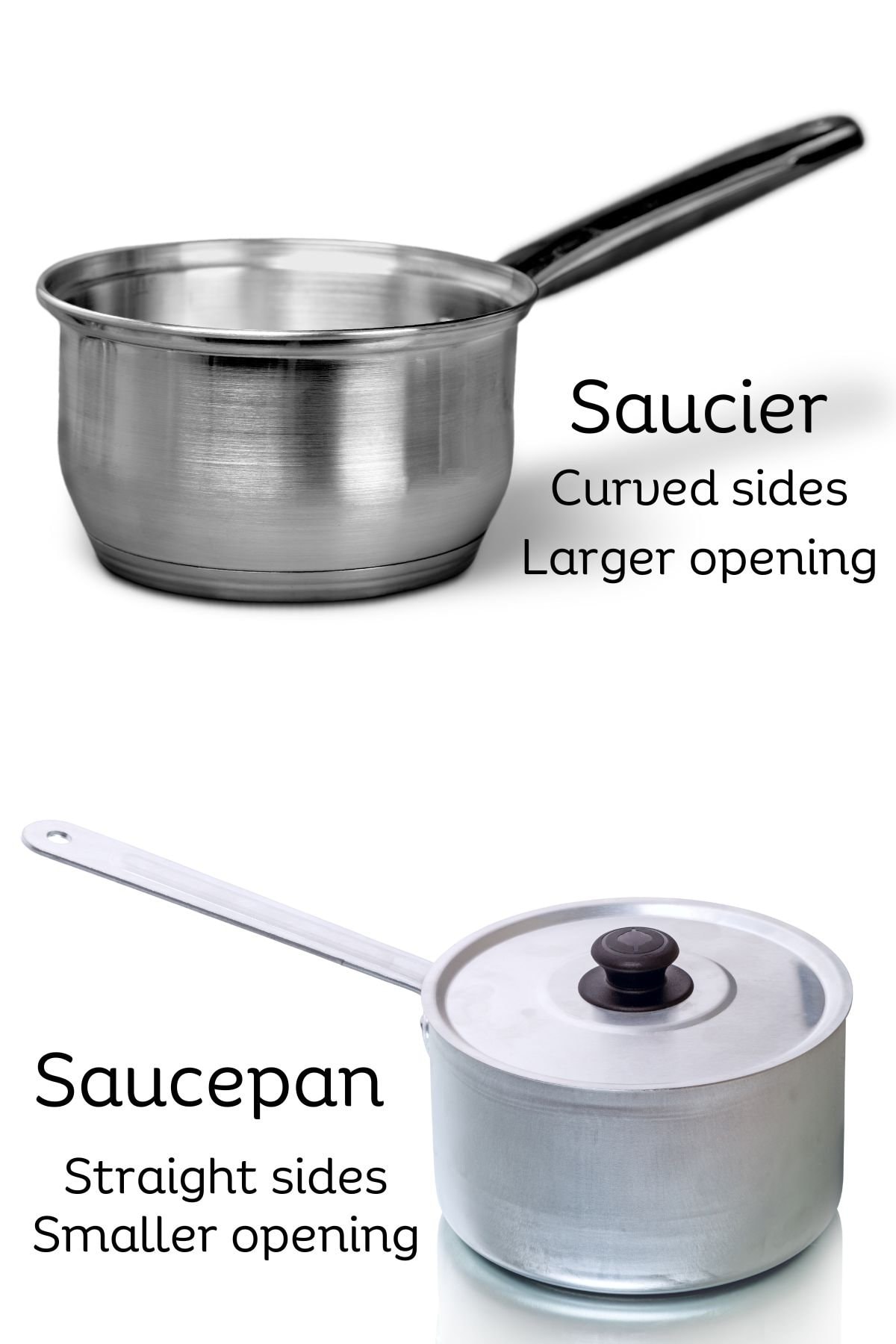
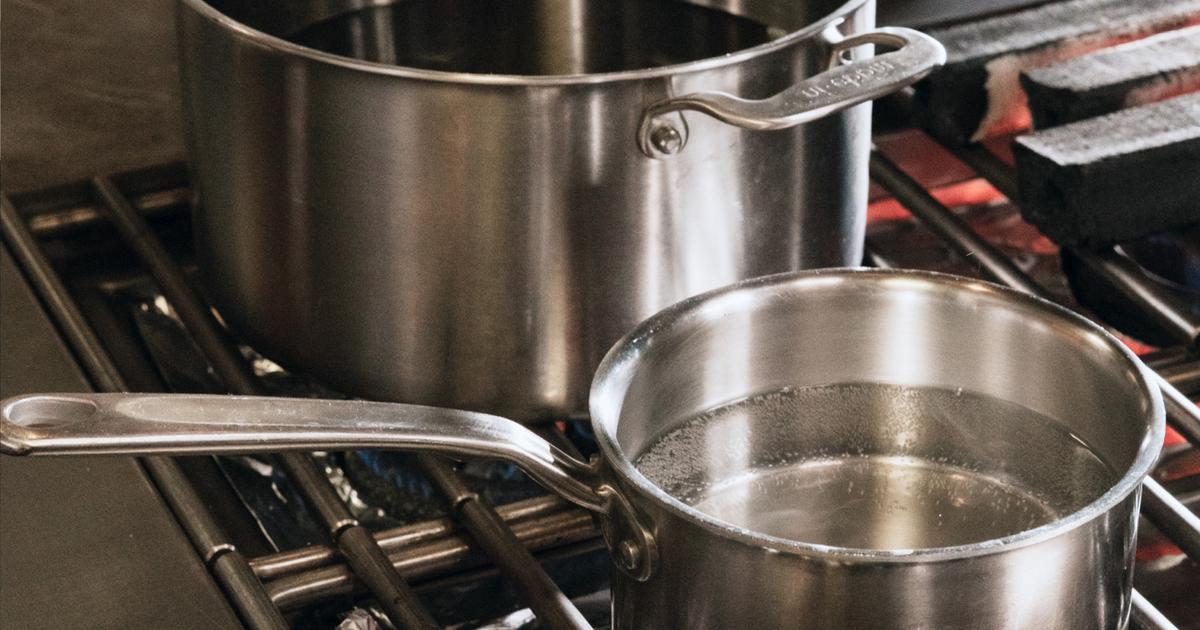
A saucepan usually features a flat bottom and tall sides. It often includes a long handle for easy gripping. The lid helps retain heat and moisture, making it perfect for simmering and boiling.
A saucepan is a staple in every kitchen, and understanding its basic features can help you make the most out of this versatile tool. Whether you’re simmering sauces, boiling pasta, or crafting a delicate custard, knowing what to look for in a saucepan can transform your culinary experience. Let’s delve into the essential features that define a saucepan, making it an indispensable part of your cookware collection.Material Composition
The material of a saucepan greatly influences its performance. Stainless steel is popular for its durability and resistance to rust. It gives you even heating, which is crucial for cooking delicate sauces. Aluminum is another common choice, known for being lightweight and excellent at conducting heat. Non-stick coatings, often paired with aluminum, make cleaning easier but require careful handling to avoid scratches. If you love cooking with classic tools, consider a copper saucepan. Its superior heat conductivity allows precise temperature control, but remember, it needs regular maintenance to keep it shiny and effective.Common Sizes And Capacities
Saucepans come in various sizes, typically ranging from 1 to 4 quarts. A 1-quart saucepan is perfect for small tasks like melting butter or warming a single serving of soup. A 2-quart option is more versatile, suitable for cooking rice or preparing small batches of sauce. If you frequently cook for a family or enjoy meal prepping, a 3 or 4-quart saucepan can handle larger quantities with ease. Choosing the right size depends on your cooking habits. Do you often find yourself cooking multiple dishes at once or tackling large recipes? If so, a larger saucepan might be more practical for your needs. Have you ever found yourself juggling multiple pans on the stove, wishing you had just the right saucepan to fit your needs? Understanding these basic features can streamline your cooking process, making each meal preparation smoother and more enjoyable.Design Elements
A saucepan is a staple in any kitchen. Its design elements define its function and style. From the handle to the lid, each part serves a purpose. Let’s explore these features.
Handle Styles
The handle of a saucepan is crucial for comfort. Some handles are long, offering better grip and leverage. Others are short and compact, saving space. Materials vary too. Stainless steel handles are durable and sleek. Silicone handles stay cool, preventing burns. Each style suits different cooking needs.
Lid Variations
Lids come in many forms. Some are glass, letting you see the food as it cooks. Others are metal, providing a tight seal. Some lids have steam vents. These help release pressure while cooking. This feature prevents spills and keeps flavors intact. Choose a lid that fits your cooking style.
Shape And Structure
Saucepans often have a round shape. This ensures even heat distribution. The base is usually flat, perfect for all stovetops. Some pans have tall sides, ideal for simmering liquids. Others are shallow, great for quick boiling. The structure of a saucepan affects its performance. Consider your cooking tasks when choosing one.
Material Varieties
Choosing the right saucepan can make a world of difference in your cooking endeavors. The material of the saucepan plays a crucial role in how your food cooks, how it tastes, and even how easy it is to clean. Let’s delve into the different materials available and see which one suits your kitchen needs the best. Each material brings its own unique benefits and considerations. Understanding these can help you make an informed decision next time you stand in front of a shelf full of options.
Stainless Steel
Stainless steel saucepans are a staple in many kitchens. They offer durability and resistance to rust and stains. You might have noticed that they provide a shiny, sleek look that fits well with modern kitchen aesthetics.
One of the best things about stainless steel is its ability to maintain a stable cooking temperature. This ensures that your dishes cook evenly. However, stainless steel doesn’t conduct heat as well as some other materials, so it’s often paired with an aluminum or copper core.
Aluminum
Aluminum saucepans are known for their excellent heat conductivity. This means faster cooking times and consistent heat distribution. It’s lightweight, making it easy to handle and maneuver.
While aluminum is efficient, it can be reactive with acidic foods, impacting flavors. Many aluminum pans come with a coating or are anodized to prevent this. If you enjoy cooking dishes with tomatoes or citrus, consider these options.
Copper
Copper saucepans are a chef’s favorite for precision cooking. They heat up quickly and cool down just as fast, giving you superior control over cooking temperatures. This can be a game-changer for delicate sauces and chocolates.
However, copper requires more maintenance to keep its shine and prevent tarnishing. Many copper pans come lined with stainless steel to avoid direct contact with food. Would you invest time in upkeep for better cooking results?
Non-stick Coatings
Non-stick coatings can make cooking and cleaning a breeze. They prevent food from sticking, reducing the need for excessive oil or butter. You might find that your pancakes or omelets slide right out of the pan.
While convenient, non-stick coatings can wear over time, especially with metal utensils. Opt for wooden or silicone utensils to prolong the lifespan of your non-stick saucepan. Do you prefer the ease of non-stick, or are you willing to handle a little sticking for durability?
Each material offers something different. Consider your cooking habits and priorities. Whether it’s ease of use, temperature control, or maintenance, there’s a saucepan out there for you. Which material do you think will enhance your culinary creations?
Visual Characteristics
A saucepan features a round shape with tall, straight sides and a flat bottom. It usually has a long handle for easy grip and control. Often made from materials like stainless steel or aluminum, this kitchen essential is designed for cooking sauces, soups, and more.
When you think of a saucepan, what immediately comes to mind? Perhaps it’s the familiar sight of your kitchen companion, ready to tackle any cooking challenge. The visual characteristics of a saucepan are not just about function; they also speak to style and personality. Let’s dive into some key features that define the look of a saucepan.Color Options
Saucepans can be found in a rainbow of colors, adding a splash of personality to your kitchen. While stainless steel is timeless and versatile, you might prefer the bold statement of a red or blue enamel saucepan. Imagine opening your cabinet and feeling a little burst of joy from the vibrant hues within. Does the color of your kitchenware inspire you?Finish Types
The finish of a saucepan can make a significant difference in both appearance and functionality. Matte finishes offer a sleek, modern look and are less prone to showing fingerprints. On the other hand, a glossy finish can add a touch of elegance and shine. Have you ever noticed how a saucepan’s finish can change the entire vibe of your kitchen?Brand Markings
Brand markings can be subtle yet speak volumes about quality and craftsmanship. From engraved logos on handles to discreet stamps on the base, these markings often represent a legacy of trust and excellence. Next time you’re shopping, take a closer look at these details. They may help you decide which saucepan deserves a place in your culinary adventures. Have you ever chosen a product based on the reputation of its brand markings? When exploring these visual characteristics, consider how each aspect aligns with your kitchen’s style and your personal cooking preferences. After all, a saucepan is more than just a tool; it’s a reflection of your taste and a partner in your culinary journey.Functionality And Purpose
A saucepan is a staple in any kitchen, combining functionality with versatility. It’s not just about its appearance; it’s about what it can do for your cooking endeavors. Understanding the purpose of a saucepan can greatly enhance your culinary skills, making everyday cooking a breeze. Whether you’re a beginner or an experienced cook, knowing how to maximize a saucepan’s functionality can transform your cooking experience.
Cooking Techniques
Imagine you’re whipping up a delicious homemade soup or sauce. A saucepan is your go-to tool for simmering and boiling. Its tall sides and flat bottom make it perfect for these tasks. You can even sauté vegetables or brown meats in a pinch. Have you ever tried making a custard or a delicate sauce? The saucepan’s design helps you manage heat and avoid scorching.
Heat Distribution
Ever wondered why your food cooks unevenly? The key might lie in heat distribution. A quality saucepan offers even heat distribution, ensuring your food cooks uniformly. No more cold spots or burnt edges. You might recall cooking a stew where parts were overdone and others undercooked. A good saucepan can solve this problem with its consistent heating.
Maintenance Needs
Keeping your saucepan in top shape requires minimal effort. Regular cleaning and proper storage are essential. You can easily extend its lifespan by avoiding abrasive cleaners. Remember that time you spent scrubbing stubborn residue? Instead, soak it or use a gentle scrub. Regular upkeep ensures your saucepan remains a reliable kitchen companion.
A saucepan isn’t just a piece of cookware; it’s a tool that can elevate your cooking. How do you use your saucepan to its fullest potential? Share your thoughts and experiences below.
Credit: www.restlesschipotle.com
Credit: madeincookware.com
Frequently Asked Questions
What Does A Typical Saucepan Look Like?
A typical saucepan has a round shape with high, straight sides. It features a long handle for easy handling. Saucepans are usually made of materials like stainless steel, aluminum, or copper. They often come with a lid and are used for cooking liquids.
How Is A Saucepan Different From A Frying Pan?
A saucepan has higher sides and a smaller cooking surface than a frying pan. It’s designed for simmering and boiling. A frying pan, with its wide, flat surface, is ideal for frying and sautéing. Both have different purposes in cooking.
What Materials Are Saucepans Made From?
Saucepans are commonly made from stainless steel, aluminum, and copper. Stainless steel is durable and resistant to rust. Aluminum is lightweight and conducts heat well. Copper offers superior heat conductivity but requires maintenance. Some saucepans have non-stick coatings for easy cleaning.
Why Are Saucepans Essential In Cooking?
Saucepans are essential for boiling, simmering, and preparing sauces. Their high sides prevent spills and splatters. They evenly distribute heat, ensuring thorough cooking. Whether making pasta or soup, saucepans are versatile kitchen tools. Their design accommodates various cooking techniques.
Conclusion
A saucepan is a kitchen essential. Its design is simple yet versatile. With a flat base and tall sides, it handles many tasks. Boiling, simmering, or even a quick stir-fry, it’s got you covered. The handle stays cool for easy gripping.
Most have lids to keep heat in. They come in various sizes and materials. Stainless steel, non-stick, or even copper. Each has its benefits. Choosing the right one depends on your needs. Now, you know what to look for. Happy cooking!

Home Improvement Expert & Senior Writer at HomeFixio
Eliot Granger is a seasoned home improvement expert with years of experience transforming living spaces. Specializing in everything from kitchen renovations to bathroom upgrades, Eliot shares his knowledge through practical, insightful articles. His passion for creating functional, beautiful homes drives him to offer expert tips and solutions for every corner of your house. As a trusted writer for HomeFixio, Eliot is dedicated to helping homeowners make informed decisions and achieve precision in their projects.