

How to Dispose Water Filter: Eco-Friendly Solutions
You’ve been using your water filter to keep your drinking water clean and safe. But what happens when it’s time to replace it?
How do you dispose of your old water filter the right way? If you just toss it in the trash, you might be harming the environment without even realizing it. You’ll learn simple, effective steps to dispose of your water filter safely and responsibly.
Keep reading to protect your home, your health, and the planet.
Types Of Water Filters
Water filters come in different types to fit various needs and spaces. Each type removes impurities but works in unique ways. Knowing the types helps you choose the right filter and dispose of it properly.
Pitcher Filters
Pitcher filters are simple and portable. They sit on the countertop or in the fridge. These filters use activated carbon to remove chlorine and some sediments. They need regular cartridge changes to keep water clean.
Under-sink Filters
Under-sink filters install beneath the kitchen sink. They connect directly to the water line. These filters often use multiple stages to remove more contaminants. Their cartridges can be larger and last longer than pitcher filters.
Whole House Filters
Whole house filters clean water for the entire home. They connect to the main water supply. These systems remove sediments, chlorine, and some chemicals. They require periodic filter replacements and sometimes professional help for disposal.
Reverse Osmosis Systems
Reverse osmosis systems use a special membrane to remove many contaminants. They are often installed under the sink. These systems produce waste water during filtration. Their filters and membranes need regular changing and careful disposal.
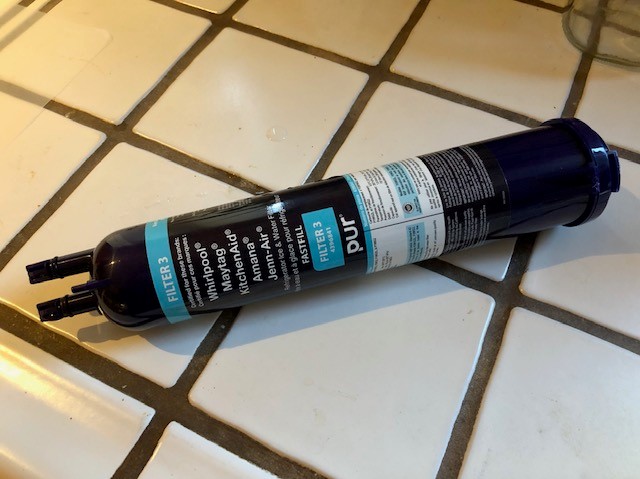
Credit: stevegoesgreen.com
Environmental Impact Of Filter Waste
Water filters help keep drinking water clean and safe. After use, their disposal impacts the environment. Filter waste includes plastic parts, used cartridges, and chemical residues. These elements can harm nature if not handled properly.
Plastic Components
Most water filters contain plastic casings. These plastics take hundreds of years to break down. If thrown in regular trash, they end up in landfills or oceans. This causes pollution and harms wildlife. Recycling plastic parts reduces environmental damage.
Used Filter Cartridges
Filter cartridges trap dirt and impurities. After use, they hold contaminants that can leak into soil and water. Improper disposal spreads pollution. Some cartridges can be recycled but need special handling. Proper sorting helps reduce waste and pollution risks.
Chemical Residues
Filters remove chemicals from water, which stay inside after use. These residues can be toxic to plants and animals. Dumping filters in nature releases harmful substances. Safe disposal methods prevent chemical leaks and protect ecosystems.
Preparing Filters For Disposal
Preparing water filters for disposal is important for safe and eco-friendly handling. Proper preparation avoids leaks, contamination, and makes recycling easier. Follow clear steps before throwing away old filters.
Removing Filter Cartridges
Start by turning off the water supply. Unscrew the filter housing carefully. Pull out the used filter cartridge. Handle it gently to prevent spills. Place the cartridge in a sealed bag to contain any leftover water or debris. This step keeps your area clean and safe.
Cleaning Filter Housings
Empty any water left inside the housing. Rinse the housing with clean water to remove dirt and residue. Use mild soap if needed, but rinse thoroughly afterward. Dry the housing completely with a clean cloth. Proper cleaning helps prevent mold and odors during disposal or recycling.
Recycling Options
Recycling water filters helps reduce waste and protects the environment. Many filters contain plastic and other materials that can be reused. Finding the right recycling option depends on your filter type and location. Below are common ways to recycle used water filters safely.
Manufacturer Take-back Programs
Many filter brands offer take-back programs. These programs let you send back used filters for recycling. Check the manufacturer’s website for details. Some provide prepaid shipping labels or drop-off locations. This option ensures filters are handled properly and materials are recovered.
Local Recycling Centers
Local recycling centers sometimes accept water filters. Call your nearby center to confirm. Some centers separate plastics and metals from filters. Make sure to clean filters before dropping them off. This option supports community recycling efforts and reduces landfill waste.
Specialized Filter Recycling Services
Specialized services focus on recycling water filters only. They handle complex parts like activated carbon and membranes. These services often require mailing filters in protective packaging. Search online for companies that recycle your filter brand. This method offers a safe and thorough recycling process.
Composting And Repurposing Filters
Disposing of water filters doesn’t have to mean just throwing them away. You can give parts of your filter new life through composting and creative repurposing. These options reduce waste and can even add value to your daily routine.
Composting Organic Filter Components
Some water filters contain organic materials like activated carbon or natural fibers that can be composted. Before adding them to your compost pile, remove any plastic or metal parts. This separation is crucial because only the organic components break down safely in compost.
Activated carbon can improve your compost by absorbing odors and toxins. However, it’s best to crush or shred these parts to speed up decomposition. Have you checked your filter’s packaging to see if it specifies which parts are compostable?
Diy Projects With Filter Parts
Old water filter parts can be surprisingly useful around your home. Plastic casings can be cleaned and used as small plant pots or seed starters. The sturdy materials make them perfect for organizing small items like screws or craft supplies.
Metal components can be turned into hooks or even small garden markers with a bit of creativity. Try combining different parts to create unique planters or decorative objects. What everyday item could you improve or organize by repurposing filter parts?
Safe Disposal Methods
Safe disposal of water filters is more important than many realize. These filters often contain contaminants and materials that can harm the environment if not handled properly. Taking the right steps ensures you protect your community and natural resources.
Hazardous Waste Facilities
Hazardous waste facilities are equipped to handle materials that regular trash services cannot. Many water filters contain trapped pollutants, heavy metals, or chemicals that need special treatment. Dropping your used filters off at these facilities prevents toxins from leaking into soil and water.
You might wonder, “Where can I find a hazardous waste facility near me?” Most cities provide listings online or through local government offices. It’s worth the small effort to locate these centers because they follow strict guidelines to safely process and recycle harmful components.
Avoiding Landfill Contamination
Throwing water filters in the trash often means they end up in landfills. Over time, harmful substances can leach out and pollute groundwater or soil. You can help by keeping filters out of landfills altogether.
Before disposal, remove as much water and residue as possible. Some communities have specific recycling programs for water filters—check with your supplier or local waste management. By avoiding landfill contamination, you protect your local environment and public health.
Choosing Eco-friendly Filters
Choosing eco-friendly water filters is a smart move for both your health and the planet. These filters reduce waste and help conserve resources, making your water purification routine more sustainable. You might be surprised how small changes in your filter choice can have a big environmental impact.
Filters Made With Sustainable Materials
Look for filters crafted from biodegradable or recycled materials. Bamboo charcoal filters and those using natural fibers are great options that break down more easily than plastic-based ones. These materials not only reduce landfill waste but also often avoid harmful chemicals.
Some brands now use packaging made entirely from recycled paper or plant-based plastics. Choosing these can cut down on the plastic waste piling up in landfills and oceans. Have you checked what your current filter packaging is made of?
Long-lasting And Replaceable Parts
Filters designed for durability save you money and reduce waste. Instead of tossing the whole unit, you only replace the filter cartridge or specific parts. This approach limits how often components end up in trash bins.
Think about how often you replace your water filter. Could a model with replaceable cartridges extend the life of your system? Many companies offer parts separately, so you don’t have to discard the entire filter every few months.
Choosing eco-friendly filters means looking beyond the initial purchase. Focus on materials and design that support a cleaner environment while still providing safe, fresh water for you and your family.

Credit: www.easyecoblog.com
Tips To Reduce Filter Waste
Reducing water filter waste helps protect the environment and saves money. Simple actions can extend filter life and lower the need for replacements. These tips focus on how to keep your water filter working longer and reduce the trash it creates.
Regular Maintenance
Cleaning your water filter regularly keeps it efficient. Remove sediment and debris that block water flow. Follow the manufacturer’s instructions for proper cleaning methods. Check for any cracks or damage during maintenance. A well-maintained filter works better and lasts longer.
Extending Filter Lifespan
Use your water filter properly to extend its life. Avoid running water continuously through the filter without need. Store filters in a cool, dry place if unused for some time. Replace pre-filters or screens to reduce strain on the main filter. These small steps help your filter last beyond its usual time.

Credit: www.youtube.com
Frequently Asked Questions
How Do I Safely Dispose Of A Used Water Filter?
To safely dispose of a used water filter, check manufacturer guidelines first. Many filters contain plastic and metal parts. Some local recycling programs accept them. Otherwise, place them in regular trash if recycling isn’t available. Avoid flushing filters or discarding in nature.
Can Water Filters Be Recycled?
Yes, some water filters can be recycled. Check with local recycling facilities for specific acceptance. Filters with plastic and metal parts often require special handling. Some brands offer mail-back recycling programs. Proper recycling helps reduce environmental waste.
What Should I Do Before Disposing Of A Water Filter?
Before disposal, rinse the water filter to remove residual water. Remove any detachable parts if possible. Follow any disposal instructions from the manufacturer. This ensures safe handling and prevents contamination.
Are There Eco-friendly Disposal Options For Water Filters?
Yes, eco-friendly disposal options include manufacturer recycling programs and specialized recycling centers. Some filters are made from biodegradable materials. Choosing filters with sustainable disposal options reduces environmental impact significantly.
Conclusion
Proper disposal of your water filter helps protect the environment. Recycling parts reduces waste and saves resources. Always check local rules for safe disposal methods. Some areas offer special recycling programs for filters. Avoid throwing filters in regular trash bins.
Taking small steps makes a big difference. Keep your water clean and the planet safe. Dispose of your water filter responsibly every time. Simple actions lead to a healthier future for all.

Home Improvement Expert & Senior Writer at HomeFixio
Reed Atwood is a seasoned home improvement expert with a passion for transforming everyday living spaces into functional and stylish havens. With years of experience in DIY projects, renovations, and home upgrades, Reed brings a wealth of knowledge to HomeFixio. As a senior writer, he provides readers with practical, easy-to-follow guides, expert tips, and innovative solutions for every room in the house. His goal is to empower homeowners to tackle their projects with confidence, ensuring both quality results and a rewarding experience.


