

How Often Do You Change Fridge Water Filter?: Essential Guide
Have you ever wondered how often you should change your fridge water filter? If you want clean, fresh-tasting water and ice every time, knowing the right schedule is key.
Ignoring this simple task can lead to bad taste, clogged filters, and even health risks. You’ll discover exactly when and why you need to replace your fridge water filter, so you can keep your water pure and your fridge running smoothly.
Keep reading—your health and your wallet will thank you!
Why Change Water Filters
Changing your fridge water filter regularly isn’t just a routine task—it directly affects the water you drink and the health of your appliance. You might wonder why it matters so much. Let’s look deeper into the reasons why replacing your water filter on time is crucial.
Impact On Water Quality
Water filters trap impurities like chlorine, lead, and sediment that affect taste and safety. Over time, a clogged filter loses its ability to block these contaminants, allowing them to pass through. Have you ever noticed your water tasting strange or looking cloudy? That’s a clear sign your filter needs a change.
Dirty filters can also harbor bacteria, which may multiply and enter your drinking water. This risks your health and defeats the purpose of having a filter. Keeping your filter fresh ensures every glass of water is clean, fresh, and safe.
Effects On Appliance Performance
A blocked water filter forces your fridge’s water system to work harder. This extra strain can slow down water flow and ice production. Over time, it may even cause damage to the internal components of your fridge.
Replacing the filter regularly helps maintain optimal water pressure and keeps your fridge running smoothly. Think about how much easier it is to get a cold glass of water or ice when everything works as it should. Don’t let a neglected filter turn your fridge into a hassle.
Recommended Replacement Frequency
Replacing your fridge water filter regularly keeps your water clean and tasting fresh. Changing it too late can cause bad taste and poor water flow. Knowing the right replacement frequency helps maintain water quality and filter performance. The timing depends on several factors.
Manufacturer Guidelines
Most manufacturers suggest changing the filter every 6 months. This is a general rule for average water use and quality. Some brands include this information in the user manual or on the filter itself. Following these guidelines ensures the filter works as designed. Ignoring them may reduce filter life and water purity.
Factors Influencing Frequency
Water quality affects how often you need to replace the filter. Hard water or water with many impurities clogs filters faster. Household size and water use also matter. A large family or frequent water dispenser use means quicker filter wear. Some signs to watch for include:
- Slow water flow
- Strange taste or smell
- Cloudy or discolored water
These signs suggest it is time to change the filter, even before the recommended date.
Signs You Need A New Filter
Knowing when to change your fridge water filter can save you from unpleasant surprises and keep your water clean and fresh. The challenge is that the signs can be subtle at first, but paying attention will help you avoid potential health risks and maintain the efficiency of your fridge. Here are some clear indicators that it’s time to replace your water filter.
Taste And Odor Changes
If you notice your water tastes different or has a strange smell, it’s a red flag. A clogged or old filter loses its ability to remove contaminants effectively, causing off-flavors or odors. Have you ever poured a glass of water from your fridge and hesitated before drinking? That hesitation could be your filter telling you it’s time for a change.
Water Flow Issues
Does the water from your fridge’s dispenser flow slower than usual? Reduced water flow often means the filter is clogged with particles it’s trapped over time. This can strain your fridge’s system and make simple tasks like filling a glass or pot frustrating. Don’t ignore a sluggish flow—it’s an easy sign that a new filter is overdue.
Filter Indicator Lights
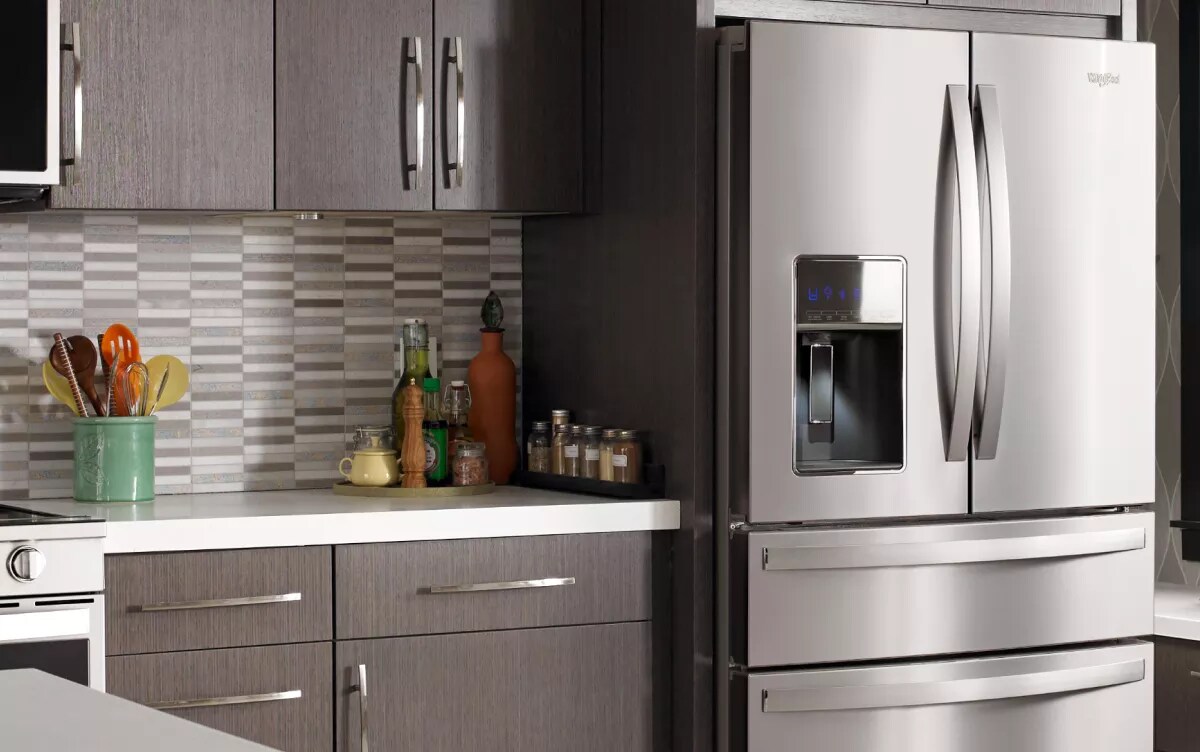
Many modern fridges come with built-in filter indicator lights. These lights are designed to alert you when the filter needs replacement. If your fridge’s indicator light turns on or changes color, it’s a straightforward signal to swap out the old filter. Even if you don’t see a change in taste or flow, trusting this technology can keep your water quality consistent.
Credit: www.whirlpool.com
How To Replace Your Fridge Water Filter
Replacing your fridge water filter is a simple task that can greatly improve the quality of your drinking water. Knowing how to do it yourself saves you time and money while ensuring your fridge runs efficiently. Below, you’ll find clear steps to help you replace the filter without any hassle.
Locating The Filter
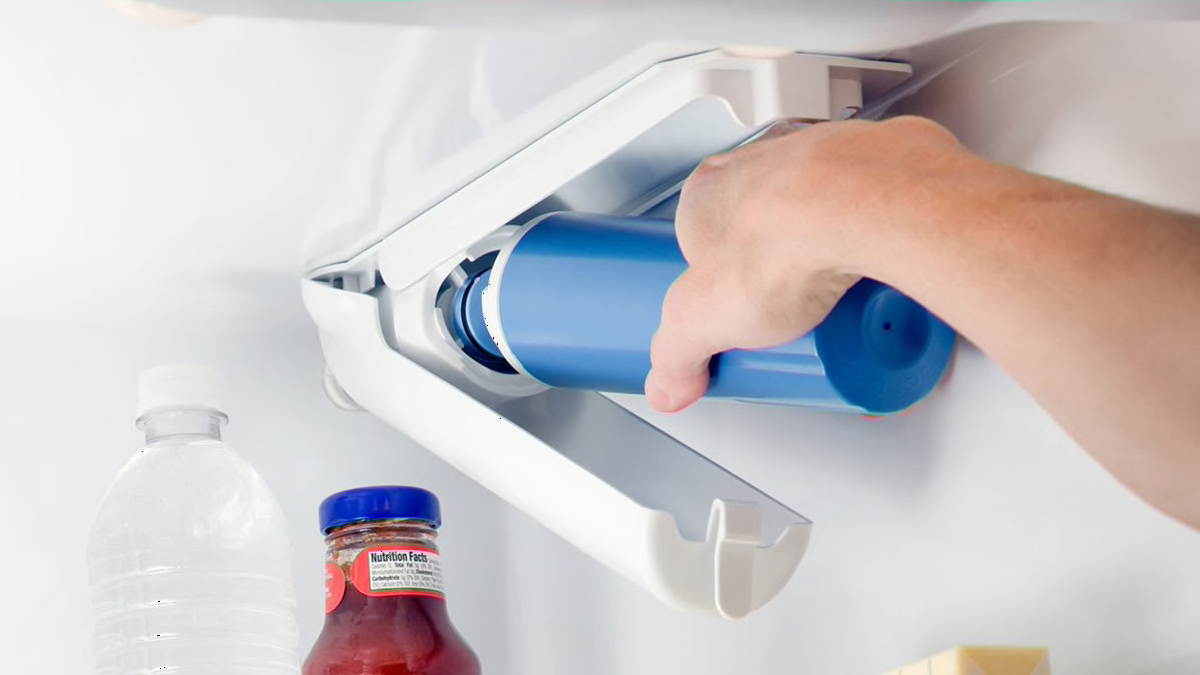
Start by finding the water filter in your fridge. Most filters are located either inside the fridge compartment near the top right or left corner, or in the base grille at the bottom.
If you’re unsure, check your fridge’s manual or look for a small cover or compartment labeled “water filter.” Some models have a twist-and-pull filter, while others use a push-in type. Have you noticed your water tastes off? Finding this filter is your first step to fix that.
Step-by-step Replacement Process
- Turn off the water supply:This prevents leaks when you remove the old filter.
- Remove the old filter:Twist counterclockwise or pull straight out, depending on your model.
- Prepare the new filter:Remove any protective covers or caps before installing.
- Insert the new filter:Push it in or twist clockwise until it clicks securely in place.
- Turn the water supply back on:Check for any leaks around the filter area.
- Flush the new filter:Run water through the dispenser for about 3-5 minutes to clear any loose carbon particles.
Replacing the filter yourself can feel empowering. Have you ever hesitated because you thought it was complicated? Most fridge filters are designed for easy swaps.
Resetting The Filter Indicator
Many modern fridges have a filter indicator light that reminds you when to change the filter. After installing a new filter, reset this indicator to keep accurate track.
Usually, you press and hold the filter reset button or a combination of buttons for a few seconds. If you don’t reset it, the fridge might keep showing a warning, causing unnecessary concern.
Check your fridge’s manual for exact instructions. Keeping this indicator accurate helps you avoid replacing filters too early or too late.
Types Of Fridge Water Filters
Fridge water filters come in different types. Each type offers various benefits for water quality and appliance compatibility. Knowing the types helps you choose the right filter for your fridge. It also affects how often you need to change the filter.
Oem Vs. Compatible Filters
OEM filters are made by the fridge manufacturer. They fit perfectly and meet original standards. These filters often cost more but ensure reliable performance.
Compatible filters come from third-party brands. They work with many fridge models and usually cost less. Some compatible filters match OEM quality, while others may not filter as well.
Choosing between OEM and compatible filters depends on budget and trust. Both types require regular changing to keep water clean and fresh.
Filter Technologies
Water filters use different technologies to clean water. Common types include:
- Activated Carbon:Removes chlorine, odors, and some chemicals.
- Reverse Osmosis:Filters out heavy metals and impurities.
- Ion Exchange:Softens water by removing minerals like calcium and magnesium.
- Mechanical Filtration:Traps sediment and particles physically.
Many fridge filters combine these technologies for better results. Understanding filter tech helps you pick the best filter for water quality needs.
Credit: www.consumerreports.org
Maintaining Your Fridge Water System
Maintaining your fridge water system keeps water fresh and safe to drink. A clean system also improves the taste and flow of water. Regular care prevents damage and extends the fridge’s life. Simple habits make a big difference in water quality.
Regular Cleaning Tips
- Wipe the water dispenser area weekly to remove dirt.
- Clean the drip tray to avoid mold buildup.
- Flush the water line every few months to clear old water.
- Replace the water filter as recommended by the manufacturer.
- Check for leaks or cracks in water connections.
Preventing Common Issues
- Change the filter regularly to avoid clogging and bad taste.
- Avoid using harsh chemicals near the water system.
- Do not ignore unusual smells or tastes in the water.
- Keep the fridge temperature steady to prevent bacteria growth.
- Use only the correct filter model for your fridge.

Credit: www.sloanappliance.com
Frequently Asked Questions
How Often Should Fridge Water Filters Be Replaced?
Fridge water filters should be replaced every 6 months. This ensures clean, fresh water and optimal filter performance. Frequent replacement prevents clogging and maintains water flow. Check your fridge manual for specific recommendations.
What Happens If You Don’t Change The Filter Regularly?
Not changing the filter regularly reduces water quality and taste. It can cause clogging, slow water flow, and strain your fridge. Old filters may harbor bacteria, risking health. Timely replacement keeps water safe and fridge functioning well.
Can I Extend The Life Of My Water Filter?
You can extend filter life slightly by reducing water usage. However, it’s best to follow the 6-month replacement schedule. Using a filter beyond its lifespan risks contamination and poor water quality. Regular changes ensure safety and efficiency.
How Do I Know When To Replace The Filter?
Replace the filter when water flow slows or tastes odd. Many fridges have indicator lights signaling filter replacement time. Check your user manual for specific signs. Prompt replacement maintains water purity and fridge performance.
Conclusion
Changing your fridge water filter keeps water fresh and clean. Filters usually need a change every six months. Some signs show it’s time to replace the filter. Cloudy water or strange taste means change it soon. Regular changes help your fridge work well and last longer.
Don’t wait too long to swap the filter. Clean water is important for health and taste. Keep track of your filter’s age for best results. Simple steps make a big difference in water quality. Stay fresh, stay healthy, and enjoy clean water daily.

Home Improvement Expert & Senior Writer at HomeFixio
Reed Atwood is a seasoned home improvement expert with a passion for transforming everyday living spaces into functional and stylish havens. With years of experience in DIY projects, renovations, and home upgrades, Reed brings a wealth of knowledge to HomeFixio. As a senior writer, he provides readers with practical, easy-to-follow guides, expert tips, and innovative solutions for every room in the house. His goal is to empower homeowners to tackle their projects with confidence, ensuring both quality results and a rewarding experience.


