How to Fix Sherpa Blankets: Easy Steps for Quick Repairs
Your Sherpa blanket is more than just a cozy accessory—it’s your go-to source of warmth and comfort. But what happens when it starts showing signs of wear, like loose threads, small tears, or pilling?
Don’t worry, you don’t have to toss it out or buy a new one. You can fix your Sherpa blanket and bring back its softness and charm. In this guide, you’ll discover simple, effective ways to repair your blanket and keep it looking and feeling great for years to come.
Ready to save your favorite blanket? Let’s dive in!

Credit: www.wayfair.com
Materials Needed
Fixing a Sherpa blanket needs the right tools and materials. Using proper supplies makes the repair easier and more durable. Gather everything before starting to avoid interruptions.
Basic Sewing Kit
- Needles suitable for thick fabric
- Strong thread matching the blanket color
- Scissors with sharp blades
- Thimble to protect fingers
Fabric Patch
A fabric patch can cover holes or tears. Choose one that matches the Sherpa texture and color. This helps keep the blanket soft and warm.
Fabric Glue Or Adhesive
Fabric glue helps hold patches in place without sewing. Use a glue made for textiles to avoid stiffness or damage.
Measuring Tools
- Ruler or measuring tape
- Fabric chalk or marker for marking areas
Cleaning Supplies
Clean the damaged area before fixing it. Use a gentle detergent and soft brush. Dry the blanket completely before starting repairs.
Identifying Common Issues
Before you fix your Sherpa blanket, you need to know exactly what’s wrong with it. Identifying the common issues helps you choose the right repair technique and avoid making the damage worse. Let’s look at some typical problems you might face and how to spot them early.
Tears And Holes
Tears and holes are the most visible signs of wear on a Sherpa blanket. These often happen near the edges or spots that get a lot of use, like corners or folds.
Check carefully for jagged edges or stretched fabric around the damage. Small holes might look harmless but can quickly grow if not fixed. Have you noticed any threadbare areas that feel thinner than the rest of the blanket?
Loose Threads
Loose threads can lead to bigger problems if you ignore them. They usually appear after washing or rough handling and can unravel further.
Look for any threads sticking out from the seams or surface. Pulling on them might make the damage worse, so it’s best to trim or secure them properly. You might find it surprising how a tiny loose thread can cause a large tear over time.
Matting And Pilling
Matting and pilling reduce the softness and appearance of your Sherpa blanket. Pilling shows up as small balls of fabric on the surface, while matting feels like clumps of fibers pressed together.
These issues happen due to friction and washing, especially if the blanket rubs against rough surfaces. Do you notice your blanket losing its fluffy texture or looking worn out in certain areas?
Repairing Tears And Holes
Tears and holes can appear on Sherpa blankets after use. Fixing these damages quickly keeps the blanket soft and cozy. Proper repair stops the tear from growing bigger. Simple sewing or patching can restore the blanket’s look and feel. This section explains how to repair small tears and larger holes in Sherpa blankets.
Stitching Small Tears
Small tears need careful stitching to avoid damage. Use a needle and thread matching the blanket’s color. Follow these tips for neat stitching:
- Trim loose threads around the tear.
- Turn the blanket inside out for better access.
- Use small, tight stitches close to the tear edges.
- Pull the thread gently to close the tear without puckering.
- Tie a secure knot at the end to keep stitches firm.
This method strengthens the fabric and keeps the tear from spreading.
Patching Larger Holes
Large holes need patches to cover the damaged area. Choose a soft fabric patch similar to Sherpa texture. Follow these steps to patch holes:
- Cut a patch slightly larger than the hole.
- Place the patch under or over the hole, depending on comfort.
- Pin the patch in place to avoid shifting.
- Sew around the patch edges with small stitches.
- Use a zigzag stitch for extra strength if possible.
Patching keeps the blanket warm and prevents further tearing.

Credit: bigblanket.com
Fixing Loose Threads
Loose threads on Sherpa blankets can spoil their soft look and cozy feel. Fixing these threads quickly keeps the blanket neat and extends its life. Handling loose threads gently prevents bigger damage. Use simple tools like scissors and a needle for the best results.
Securing Loose Ends
Cut any long loose threads close to the fabric. Avoid pulling on the threads to stop more unraveling. Use a needle and matching thread to sew the loose end back into the blanket. A few small stitches will hold the thread firmly. Knot the thread inside the fabric to hide it well.
Preventing Further Fraying
Apply a small amount of fabric glue or clear nail polish on the loose area. This stops the threads from loosening more. Let the glue dry fully before using the blanket again. Store the blanket carefully to avoid pulling or catching on sharp objects. Regularly check for new loose threads to fix them early.
Restoring Matting And Pilling
Sherpa blankets feel soft and warm. Over time, their surface can become matted or develop small fabric balls called pills. These issues make the blanket look old and worn. Restoring the texture helps bring back its cozy feel and fresh appearance.
Removing matting and pilling is simple with the right tools. Regular care keeps your Sherpa blanket soft and inviting for years.
Using A Fabric Shaver
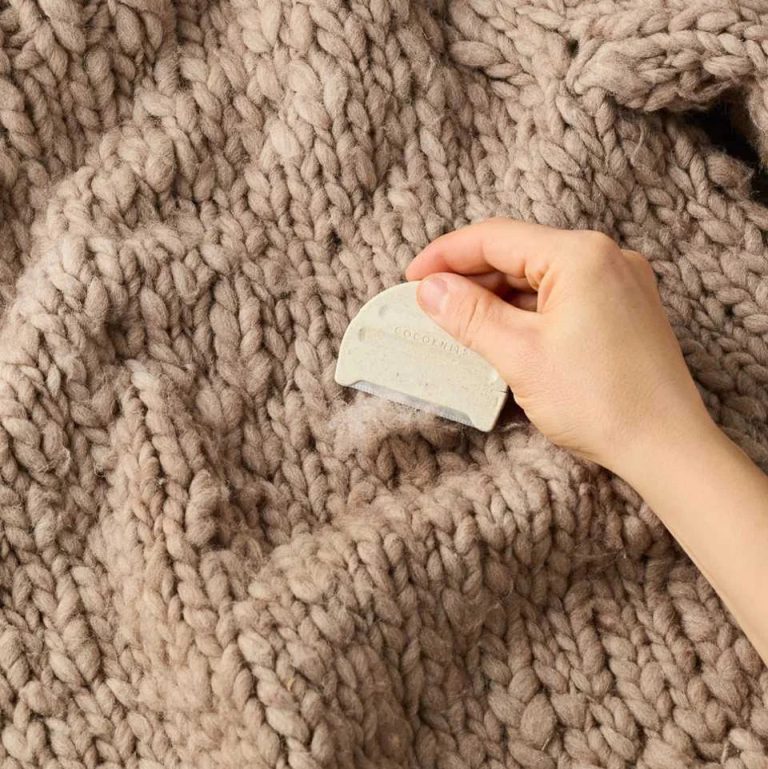
A fabric shaver gently removes pills without damaging the blanket. Use it on dry fabric for best results. Move the shaver in small circles over the pilled areas. Avoid pressing too hard to protect the fibers. Empty the shaver’s container often to keep it working well. This tool quickly refreshes your Sherpa blanket’s look.
Brushing With A Lint Roller
A lint roller picks up loose pills and dirt from the surface. Roll it over the blanket in one direction. Repeat as needed to remove fuzz and lint. This method works well for light pilling and daily upkeep. It also helps keep the blanket clean between washes. Use a sticky or reusable lint roller for easy cleaning.

Credit: www.youtube.com
Maintaining Your Sherpa Blanket
Sherpa blankets offer warmth and comfort through thick, fluffy fabric. Keeping them soft and cozy needs gentle care. Proper maintenance stops damage and extends blanket life. Focus on washing and storage to preserve texture and color.
Proper Washing Techniques
Use cold water to wash Sherpa blankets. Hot water can shrink or damage the fibers. Choose a gentle cycle on the washing machine. Avoid bleach or harsh detergents that break down fabric.
Use mild, liquid detergent designed for delicate fabrics. Skip fabric softeners; they reduce fluffiness. Rinse the blanket twice to remove soap fully. Air drying is best to keep softness alive.
If you prefer machine drying, select low heat. High heat causes matting and shrinking. Shake the blanket after drying to fluff the fibers. Hand washing works well for small blankets or spots.
Storage Tips
Store Sherpa blankets in a cool, dry place. Avoid damp areas to prevent mold and mildew. Use breathable cotton bags or pillowcases for storage. Plastic bags trap moisture and harm fabric.
Fold blankets loosely to avoid crushing fibers. Keep them away from direct sunlight to prevent fading. Add lavender sachets or cedar blocks to deter moths. Rotate blankets regularly to keep them fresh.
Frequently Asked Questions
How Do I Clean A Sherpa Blanket Safely?
To clean a Sherpa blanket, use cold water and mild detergent. Wash it on a gentle cycle. Avoid bleach or fabric softeners to prevent damage. Air dry or tumble dry on low heat to maintain softness and shape.
Can I Remove Stains From Sherpa Blankets?
Yes, gently treat stains with a mild detergent mixed with water. Dab the stain without rubbing aggressively. Rinse with cold water and wash as usual. Avoid harsh chemicals to preserve the fabric’s texture.
How Do I Prevent Sherpa Blankets From Shedding?
To reduce shedding, wash the blanket inside out on a gentle cycle. Use cold water and mild detergent. Avoid high heat drying; air dry or use low heat. Regular gentle washing helps maintain the fibers and prevents excessive shedding.
Is It Safe To Machine Wash Sherpa Blankets?
Yes, machine wash Sherpa blankets on a gentle cycle with cold water. Use mild detergent and avoid bleach. This method keeps the blanket soft and prevents damage. Always check care labels for specific instructions.
Conclusion
Fixing Sherpa blankets takes patience and simple steps. Start with small tears or holes to stop further damage. Use gentle cleaning methods to keep softness and color. Always handle the fabric with care to avoid rough patches. Regular checks help catch problems early and save the blanket.
A well-maintained Sherpa blanket stays cozy and lasts longer. Repairing your blanket yourself saves money and gives satisfaction. Keep your Sherpa blanket warm and comfortable for years.

Home Improvement Expert & Senior Writer at HomeFixio
Reed Atwood is a seasoned home improvement expert with a passion for transforming everyday living spaces into functional and stylish havens. With years of experience in DIY projects, renovations, and home upgrades, Reed brings a wealth of knowledge to HomeFixio. As a senior writer, he provides readers with practical, easy-to-follow guides, expert tips, and innovative solutions for every room in the house. His goal is to empower homeowners to tackle their projects with confidence, ensuring both quality results and a rewarding experience.