How to Get Lint off of a Blanket: Easy and Effective Tips
Is your cozy blanket covered in annoying lint that ruins its soft feel? You’re not alone.
Lint can make your favorite blanket look old and messy, but getting rid of it doesn’t have to be a hassle. Imagine wrapping yourself in a fresh, lint-free blanket every time you relax. You’ll discover simple and effective ways to remove lint quickly, so your blanket stays clean and comfortable.
Ready to bring your blanket back to life? Let’s dive in and make lint a thing of the past!

Credit: www.wikihow.com
Causes Of Lint On Blankets
Lint on blankets is a common nuisance. Tiny fibers shed and stick to the surface, causing a fuzzy layer. Understanding why lint appears helps prevent it and keep blankets clean.
Several factors lead to lint buildup. The fabric type, washing habits, and friction all play roles. Recognizing these causes makes it easier to manage lint effectively.
Fabric Type And Material
Some fabrics shed more fibers than others. Natural fibers like cotton and wool tend to release lint. Synthetic materials like polyester produce less lint but can attract it.
Blankets made from loosely woven fibers shed more. The fabric’s quality and weave influence how much lint forms.
Washing And Drying Practices
Washing blankets with rough clothes causes friction. This friction pulls out fibers, creating lint. Overloading the washer also increases lint production.
Drying blankets with towels or other lint producers adds to the problem. High heat can weaken fibers, causing more shedding.
Friction And Usage
Regular use creates friction on the blanket surface. Moving, folding, and rubbing loosen fibers. Pet hair and dirt can stick to these fibers, making lint worse.
Areas with frequent contact wear out faster, shedding more fibers. This leads to visible lint patches over time.

Credit: www.walmart.com
Pre-wash Preparation
Preparing your blanket before washing is important to remove loose lint. This step helps stop lint from spreading around your washing machine. It also improves the washing results. Taking time now saves effort later.
Shake Out The Blanket
Take the blanket outside or over a trash bin. Hold it firmly and shake it well. Shaking helps to loosen and remove lint and dust. Do this until you see less lint falling off. This simple action removes large lint clumps.
Use A Lint Roller
Run a lint roller over the blanket’s surface. Use firm, even strokes. The sticky sheets pick up small lint and hair. Replace sheets as needed for best results. This step catches lint that shaking misses.
Washing Techniques
Washing your blanket correctly helps remove lint effectively. Using the right techniques keeps the fabric soft and clean. Small changes in washing can reduce lint buildup. Focus on detergent choice and washing cycle for best results.
Select The Right Detergent
Choose a detergent designed for delicate fabrics or blankets. Avoid heavy or powder detergents that leave residue. Liquid detergents dissolve better and reduce lint attraction. Use a small amount to prevent buildup on fibers. Detergents with anti-static properties help stop lint from sticking.
Choose The Proper Cycle
Pick a gentle or delicate cycle to protect the blanket fibers. High-speed spins can break fibers and create more lint. Use cold or warm water to keep fabric intact. Avoid hot water, which weakens fibers and increases lint shedding. Shorter cycles reduce friction and lint formation.
Drying Methods
Drying your blanket properly can make a big difference in reducing lint. The way you dry it affects how much lint sticks around or falls off. Let’s look at some drying methods that help keep your blanket lint-free and soft.
Air Drying
Air drying is one of the gentlest ways to dry your blanket. Hanging it outside or laying it flat indoors lets the fibers relax, which reduces lint buildup. Have you noticed how blankets feel fresher and less fuzzy after air drying?
Make sure to shake the blanket gently before hanging to remove loose lint. If drying outside, avoid direct sunlight for long periods, as it can fade colors and weaken fibers. Air drying takes longer but helps maintain your blanket’s texture and appearance.
Use A Dryer With A Lint Trap
If you prefer using a dryer, choose one with a good lint trap. The lint trap catches loose fibers as the blanket tumbles, preventing them from sticking back on. Do you check your dryer’s lint trap before every load? It’s a simple habit that can save you from extra lint cleanup.
Use a low heat or delicate setting to protect the blanket’s fabric. Adding dryer balls can also help by separating the fibers and reducing static cling, which lowers lint buildup. Remember, cleaning the lint trap after drying keeps your dryer efficient and your blanket cleaner.
Manual Lint Removal
Manual lint removal works best for quick and gentle cleaning. It helps keep blankets looking fresh without damage. This method saves energy and avoids harsh chemicals. Small tools make the task easy and effective. Use simple techniques to remove lint and fuzz by hand.
Use A Lint Brush
A lint brush is a handy tool for removing lint from blankets. It has soft bristles or sticky surfaces that pick up lint easily. Brush the blanket in one direction for best results. Repeat until most lint disappears. Clean the brush often to keep it working well.
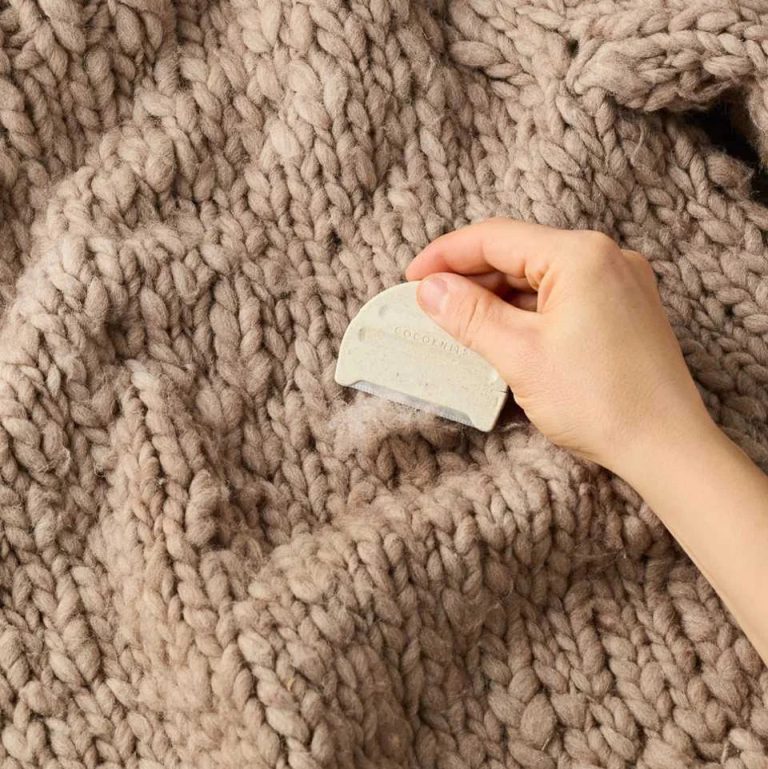
Employ A Fabric Shaver
A fabric shaver removes lint balls and fuzz gently from blankets. It has a small blade that cuts off lint without harming fabric. Move the shaver slowly across the blanket surface. Empty the shaver container regularly to avoid clogging. This tool restores a smooth, clean look fast.

Credit: www.wikihow.com
Preventing Future Lint Buildup
Preventing lint buildup on blankets saves time and keeps them looking fresh. Small daily habits help reduce lint accumulation. Choosing the right washing methods and regular care make a big difference. These tips keep your blanket soft and lint-free for longer.
Wash With Similar Fabrics
Wash blankets with similar fabrics only. Mixing heavy and light fabrics causes friction. This friction creates lint and damages the blanket’s fibers. Use gentle cycles and cold water to protect the fabric. Avoid washing blankets with items like towels or jeans. These rough fabrics shed more lint and cause buildup.
Regular Maintenance Tips
- Shake out blankets after use to remove loose lint.
- Use a lint roller or sticky tape weekly to catch lint early.
- Brush the blanket gently with a soft-bristle brush to lift lint.
- Store blankets in a clean, dry place to avoid dust buildup.
- Air out blankets regularly to keep fibers fresh and reduce static.
Frequently Asked Questions
How Can I Remove Lint From A Blanket Quickly?
Use a lint roller or adhesive tape to pick up lint fast. Gently roll or press on the blanket surface. Repeat as needed until lint is gone.
What Household Items Remove Lint From Blankets Effectively?
Rub a damp sponge, rubber glove, or pumice stone over the blanket. These items attract and lift lint without damage.
Does Washing A Blanket Reduce Lint Buildup?
Yes, washing with fabric softener helps loosen lint fibers. Use cold water and a gentle cycle to protect the blanket.
Can A Dryer Sheet Help Get Lint Off Blankets?
Yes, dryer sheets reduce static cling and loosen lint. Rub a dryer sheet on the blanket or toss it in the dryer briefly.
Conclusion
Keeping your blanket free of lint is simple with the right steps. Use a lint roller or tape to pick up loose fibers. Washing blankets properly helps reduce lint build-up. Drying with dryer sheets can stop lint from sticking. Regular care keeps your blanket soft and clean.
Small efforts make a big difference in removing lint. Enjoy a cozy, fresh blanket every day without lint trouble. These easy tips save time and keep your blankets looking good. Try them today and see the results for yourself.

Home Improvement Expert & Senior Writer at HomeFixio
Reed Atwood is a seasoned home improvement expert with a passion for transforming everyday living spaces into functional and stylish havens. With years of experience in DIY projects, renovations, and home upgrades, Reed brings a wealth of knowledge to HomeFixio. As a senior writer, he provides readers with practical, easy-to-follow guides, expert tips, and innovative solutions for every room in the house. His goal is to empower homeowners to tackle their projects with confidence, ensuring both quality results and a rewarding experience.