How to Make Outdoor Cushion Slipcovers: Step-by-Step Guide
Are your outdoor cushions looking a little worse for wear? Maybe they’ve become faded from the sun, or perhaps you’re just ready for a fresh new look.
Making your own outdoor cushion slipcovers is a fantastic way to breathe new life into your patio furniture without breaking the bank. Imagine transforming your outdoor space with vibrant colors and patterns that reflect your style. You’ll not only save money but also gain the satisfaction of having created something uniquely yours.
In this guide, we’ll walk you through the simple steps to craft beautiful, custom slipcovers, turning your patio into a personal oasis. Let’s dive in and discover how easy it is to revamp your outdoor cushions!
Materials Needed
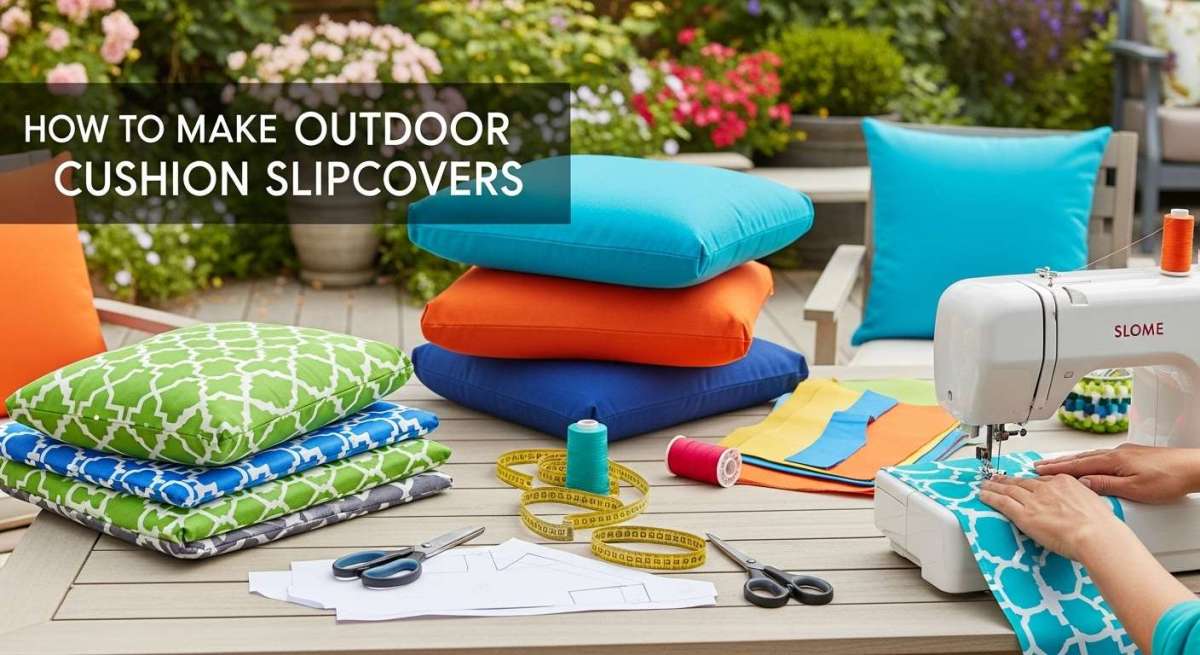
Gather fabric, measuring tape, scissors, sewing machine, thread, pins, and a zipper. These essentials aid in crafting durable outdoor cushion slipcovers.
Creating your own outdoor cushion slipcovers can be a rewarding experience. Not only do you get to choose your preferred style, but you also learn new skills in the process. Before diving into sewing, gathering the right materials is crucial. This ensures the success of your project and saves you from unnecessary frustration.
Fabric Selection
Choosing the right fabric is essential. Outdoor fabrics need to withstand various weather conditions while maintaining color and durability. Opt for materials like polyester or acrylic blends. They are resistant to fading and mildew. Have you considered patterns or solid colors? Think about how your choice will complement your outdoor space.
Measuring Tape
A trusty measuring tape is your best friend in this project. Accurate measurements are vital to ensure a snug fit for your slipcovers. Measure twice to cut once. Are you confident in your measuring skills? If not, practice on an old piece of fabric first. This will help you get the hang of it and avoid costly mistakes.
Sewing Tools
Having the right sewing tools can make the process smoother and more enjoyable. Basic tools include scissors, pins, and a sewing machine. Consider investing in a heavy-duty needle for your machine, as outdoor fabrics can be thick. Have you ever struggled with a blunt needle? Avoid this by checking your tools beforehand. A smooth sewing experience makes all the difference. Once you have these materials ready, you’re set to start crafting your outdoor cushion slipcovers. With a bit of patience and creativity, you’ll have a beautiful addition to your outdoor space. Are you excited to get started?
Preparing The Fabric
Creating slipcovers for your outdoor cushions is a rewarding project that can instantly refresh your outdoor space. Before diving into sewing, preparing the fabric is crucial. This involves careful measurements and precise cuts to ensure your slipcovers fit perfectly. Whether you’re using vibrant patterns or solid colors, prepping your fabric correctly will make the sewing process smoother and the end result more professional.
Measuring Cushions
Accurate measurements are the foundation of well-fitted slipcovers. Use a tape measure to determine the length, width, and thickness of each cushion. Record these dimensions carefully. Consider adding an extra inch to each measurement for seam allowances and ease of fit. Have you ever tried fitting a slipcover only to find it too snug? Avoid this common pitfall by double-checking your measurements.
Cutting Fabric
With precise measurements in hand, it’s time to cut your fabric. Lay your fabric on a flat surface and mark the dimensions using chalk or a fabric pen. Ensure you’re cutting straight lines by using a ruler or a cutting mat as a guide. If you’ve ever wondered why some slipcovers look amateur, often it’s due to uneven cuts. Take your time to cut each piece meticulously. Stack and label your pieces for easy assembly later. This organized approach will save you time and reduce frustration during sewing.
Creating The Slipcover
Creating slipcovers for outdoor cushions involves measuring, cutting, and sewing fabric to fit snugly. Choose durable, weather-resistant material for lasting protection. Personalize with colors and patterns that complement your outdoor space.
Creating new slipcovers for outdoor cushions can refresh your outdoor space. It is an easy DIY project that adds personal style. By making your own, you can choose the fabric and design. This ensures a perfect fit and look for your patio furniture.
Sewing Seams
Start by measuring your cushion carefully. Add extra fabric for seams and hems. Cut the fabric pieces to size, ensuring precision. Pin the fabric pieces together, right sides facing each other. This helps to keep them aligned while sewing. Use a sewing machine for strong and straight seams. A straight stitch is usually best. Sew along the edges, leaving an opening to insert the cushion. Trim any excess fabric to reduce bulk in the seams. Press the seams flat with an iron for a neat finish.
Adding Fasteners
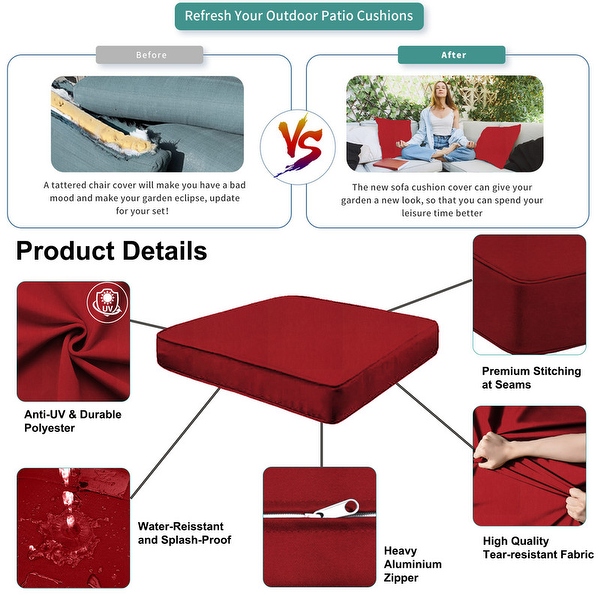
Decide how you want the slipcover to close. Zippers, buttons, or Velcro are common options. Measure and mark where the fasteners will be placed. For zippers, sew one side of the zipper to each fabric edge. Ensure the zipper aligns with the opening. For buttons, attach them evenly along the edge with buttonholes on the opposite side. Velcro is easy to use and only needs simple stitching. Sew strips of Velcro on each side of the opening. Make sure fasteners are secure for a tight fit. This keeps the cushion in place and makes removal easy.
Credit: kmccberwick.ca
Fitting The Slipcover
Fitting the Slipcover Begin by measuring your outdoor cushions to ensure a snug fit. Stretch the fabric evenly over the cushion, smoothing out wrinkles. Secure any ties or fasteners to keep the slipcover in place.
Fitting the slipcover is an essential part of creating outdoor cushion slipcovers. A well-fitted slipcover not only enhances the look of your outdoor furniture but also ensures comfort and durability. Achieving the perfect fit requires a bit of patience and some clever adjustments.
Adjusting Fit
Begin by laying the fabric over the cushion, ensuring it covers all sides adequately. If you have a unique cushion shape, like a rounded edge, pin the fabric in place to mimic the final look. This process will help you visualize where adjustments are needed and avoid unnecessary cutting. Consider using a tailor’s chalk to mark areas that need trimming or hemming. This step is crucial for achieving a snug fit without excess fabric bunching up.
Remember, a little patience here can save you from redoing the entire cover later. If you find that the fabric is too loose in certain areas, consider adding darts or pleats. These small folds can create a tailored look, especially on corners and curves. A well-adjusted slipcover will hug the cushion, providing a neat and professional appearance.
Securing Slipcover
Once the fit is adjusted, it’s time to secure the slipcover. One effective method is using Velcro strips or fabric ties to hold the cover in place. These options allow easy removal for washing while ensuring the cover stays put during use. For a more permanent solution, sewing zippers or buttons can provide a seamless look. These closures can be hidden along the side or back seam, maintaining a clean finish without visible fasteners.
Consider the weather conditions your outdoor furniture will face. If you live in a windy area, additional ties or straps might be necessary to prevent the cover from slipping off. After all, a well-secured slipcover not only looks great but also stands up to the elements effectively. Have you ever tried securing a slipcover only to find it slipping off after a few uses? Testing different methods can lead to discovering what works best for your specific setup.
Maintenance Tips
Creating outdoor cushion slipcovers involves simple steps. Select durable fabric, measure cushions accurately, and cut fabric accordingly. Sew pieces together, ensuring seams are strong. Add zippers or Velcro for easy removal and cleaning. These slipcovers protect cushions from weather and add style to outdoor spaces.
Maintaining your outdoor cushion slipcovers ensures they remain vibrant and durable through changing weather conditions. Regular care doesn’t just keep them looking fresh, it also extends their lifespan. So, how do you keep your cushion slipcovers in top-notch condition?
Cleaning Instructions
Start by checking the care label on your slipcovers. Most will recommend hand washing or a gentle machine wash. Use mild detergent and cold water to preserve the fabric’s color and texture. Spot cleaning is your best friend for small stains. A mix of water and vinegar can tackle stubborn spots without damaging the material. Always allow the covers to air dry completely to prevent mold and mildew.
Storage Advice
Proper storage is crucial, especially during off-seasons. Clean your slipcovers thoroughly before storing them to prevent odors and stains from setting in. Store them in a dry, cool place. Use breathable bags or containers to keep them dust-free while allowing air circulation. Consider rotating your slipcovers if you have multiple sets. This not only gives each set a break but also helps maintain their shape and color. Have you tried any unique storage solutions that work wonders for your slipcovers? Share your experiences below!

Credit: www.amazon.com
Frequently Asked Questions
How Do I Measure For Cushion Slipcovers?
To measure for slipcovers, use a measuring tape. Measure the length, width, and thickness of each cushion. These dimensions ensure a snug fit. Remember to include any extra fabric for seams or closures. Accurate measurements will help you create well-fitting slipcovers that enhance your outdoor furniture’s appearance.
What Fabric Is Best For Outdoor Slipcovers?
Choose weather-resistant fabrics like Sunbrella or polyester blends. These materials resist fading, moisture, and mildew, ensuring durability. They are easy to clean and maintain, making them ideal for outdoor use. Selecting the right fabric enhances the slipcover’s longevity and keeps your outdoor space looking fresh.
Can I Sew Slipcovers Without A Sewing Machine?
Yes, you can sew slipcovers by hand. Use a strong needle and durable thread. Hand-sewing techniques like backstitching provide durability. Although time-consuming, this method allows for customization. For beginners, patience and practice are key to achieving neat, functional slipcovers.
How Do I Clean Outdoor Slipcovers?
Check the fabric care label first. Most outdoor slipcovers can be machine-washed on a gentle cycle. Use mild detergent and avoid bleach to prevent damage. Air-dry the slipcovers to maintain their shape and color. Regular cleaning keeps your slipcovers fresh and extends their lifespan.
Conclusion
Creating outdoor cushion slipcovers can be simple and fun. You choose the fabric. You measure the cushions. You cut and sew with care. Your outdoor space becomes cozy and stylish. Slipcovers protect cushions from sun and rain. They add color and charm to your garden or patio.
With these steps, anyone can make slipcovers at home. Enjoy your refreshed outdoor space. Invite friends over. Relax and admire your handiwork. Transform your outdoor area with your personal touch. Start crafting today. Your cushions deserve a fresh look!

Home Improvement Expert & Senior Writer at HomeFixio
Reed Atwood is a seasoned home improvement expert with a passion for transforming everyday living spaces into functional and stylish havens. With years of experience in DIY projects, renovations, and home upgrades, Reed brings a wealth of knowledge to HomeFixio. As a senior writer, he provides readers with practical, easy-to-follow guides, expert tips, and innovative solutions for every room in the house. His goal is to empower homeowners to tackle their projects with confidence, ensuring both quality results and a rewarding experience.