How to Make a Dining Chair Slipcover: Step-by-Step Guide
Are your dining chairs looking a bit tired or outdated? Maybe you’re just in the mood for a new look without the hefty price tag of buying new furniture.
Creating your own dining chair slipcovers could be the perfect solution. Not only is it a budget-friendly way to refresh your space, but it also allows you to customize your dining area to fit your style perfectly. Imagine the satisfaction of transforming your dining room with your own hands, all while protecting your chairs from spills and stains.
Intrigued? Keep reading to discover simple steps that will guide you through making chic, personalized slipcovers that will impress every guest. Your dining room makeover starts now!
Materials Needed
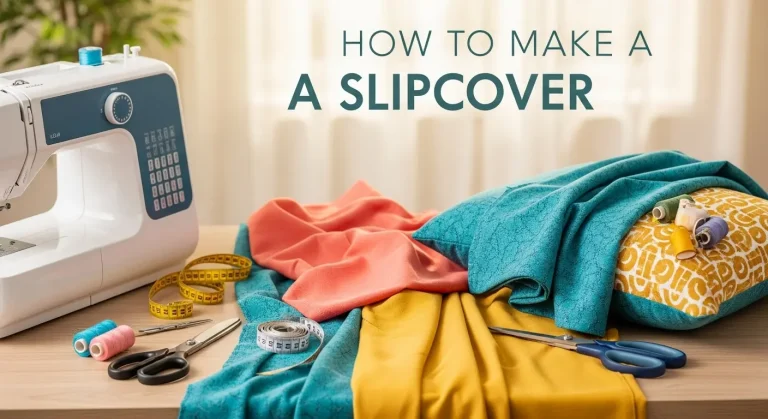
Fabric, scissors, measuring tape, pins, and a sewing machine are essential for making a dining chair slipcover. Additional items include thread matching the fabric and optional decorative elements like buttons or ribbons for added flair.
Creating a dining chair slipcover can transform your space. It’s a simple project that gives a fresh look without buying new furniture. To get started, gather all the necessary materials. Having everything ready makes the process smoother and ensures a polished finish.
Fabric
Choose a durable fabric that suits your decor. Cotton or linen works well. Measure your chair to ensure you buy enough fabric.
Thread
Select a strong thread that matches your fabric. This ensures seams are invisible and durable.
Sewing Machine
A sewing machine speeds up the process. It’s essential for neat, strong seams.
Scissors
Use sharp fabric scissors for clean cuts. This prevents fraying and uneven edges.
Measuring Tape
Accurate measurements are key. Ensure your slipcover fits perfectly.
Pins
Pins hold your fabric in place while sewing. They help maintain straight lines.
Iron
An iron presses seams and fabric. It gives your slipcover a professional finish.
Pattern Paper
Use pattern paper to draft your design. This helps visualize the final product.
Chalk Or Fabric Marker
Mark fabric with chalk or a marker. It guides your cuts and stitches. Gather these materials before starting. A well-prepared workspace leads to a successful project.
Preparing Your Chair
Gather fabric, measuring tools, and sewing supplies for your dining chair slipcover project. Measure your chair carefully, noting dimensions for a precise fit. Select a durable fabric that complements your dining room decor.
Preparing your dining chair is essential before starting the slipcover project. A well-prepared chair ensures a perfect fit and a polished look. This step involves cleaning, inspecting, and measuring the chair. Each task plays a crucial role in achieving the best results. Let’s dive into the details.
Cleaning And Inspection
Begin by cleaning the chair thoroughly. Dust and dirt can affect the fabric’s adherence. Use a mild cleaner suitable for the chair’s material. Wipe every surface, including the legs and back. Inspect the chair for any damages or loose parts. Tighten screws and fix any issues to ensure stability. This guarantees the slipcover sits well without shifting.
Measuring Dimensions
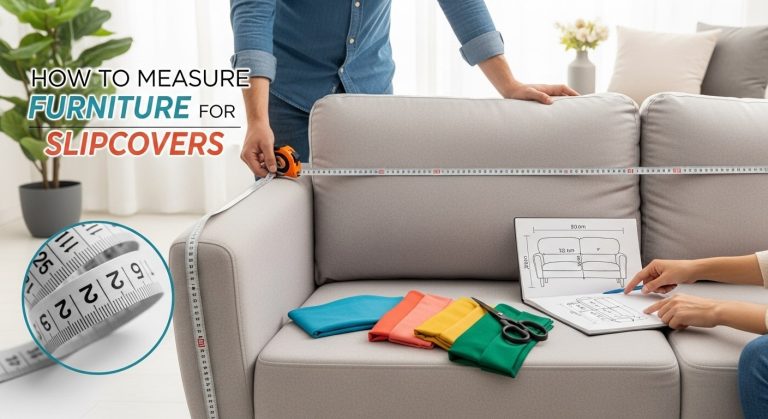
Accurate measurements are vital for a perfect slipcover fit. Start with the chair’s height from floor to top. Measure the width across the seat and back. Don’t forget the depth from front to back. Note these dimensions carefully. Use a flexible measuring tape for precision. This helps in cutting fabric accurately. Double-check measurements to avoid errors.
Selecting Fabric
Choosing the right fabric is key for creating durable and stylish dining chair slipcovers. Opt for materials that are easy to clean and can withstand regular use. Consider colors and patterns that complement your dining area while providing a fresh look.
Selecting the right fabric is crucial when making a dining chair slipcover. The fabric you choose not only influences the look but also affects durability and comfort. Consider the overall decor of your dining room and how often the chairs will be used.
Types Of Fabrics
Different fabrics offer unique benefits. Cotton is soft and breathable, ideal for casual settings. Linen provides a crisp, sophisticated look and is perfect for formal dining areas. Polyester blends are durable and stain-resistant, great for families with kids. Velvet adds a touch of luxury and warmth to the space.
Choosing Patterns And Colors
Patterns and colors set the tone for your dining area. Neutral tones create a calming atmosphere and blend well with most decor styles. Bold colors make a statement and can highlight particular design elements. Patterns like stripes or florals add visual interest and can complement existing furniture. Choose colors and patterns that reflect your personal style and harmonize with the room’s theme.

Credit: www.amazon.in
Cutting The Fabric
Measure the fabric carefully, ensuring it covers the chair completely. Use sharp scissors for clean cuts. Maintain precision for a tailored fit.
Creating a custom slipcover for your dining chairs can breathe new life into your dining space. The first step in crafting a beautiful slipcover is cutting the fabric accurately. This stage is crucial, as it lays the groundwork for a perfect fit. With the right techniques, you can transform your fabric into a work of art that complements your dining room décor.
Creating A Template
Start by making a template of your dining chair. Use a large piece of paper or muslin fabric to trace the outline of the chair’s back, seat, and any other distinct features. Ensure that you mark any curves or angles precisely. Having a template allows you to visualize how the fabric will fit. It’s like having a dress rehearsal before the final performance. If you’ve ever wrapped a gift, you know how important it is to measure before cutting. Consider adding an inch or two to the template for seam allowances. This extra fabric will be crucial when you sew the pieces together. Have you ever run out of fabric because you didn’t plan for seams?
Precision Cutting Techniques
Once your template is ready, lay it on your chosen fabric. Use sharp fabric scissors or a rotary cutter for clean edges. Dull tools can fray the fabric, leading to uneven seams. Pin the template securely to the fabric to prevent any movement while cutting. This step ensures that your cuts are as precise as your template. Think of it as having an extra pair of hands helping you hold everything in place. Cut slowly and steadily, following the outline of your template. Rushing can lead to mistakes that are hard to fix.
Have you ever regretted not taking your time with an important task? Double-check your work by comparing the cut fabric pieces to the chair itself. This simple step can save you from future sewing headaches. If a piece looks off, now is the time to adjust, not later. With these cutting techniques, you’re well on your way to crafting a slipcover that fits like a glove. Each snip of the scissors brings you closer to a renewed dining room. Are you ready to see your vision come to life?
Sewing The Slipcover
Creating a dining chair slipcover involves measuring and cutting fabric precisely. Use pins to hold the fabric in place before sewing. Choose a durable fabric that complements your dining room décor for a stylish finish.
Sewing a slipcover can transform your dining chairs. It brings new life to old furniture. With some basic sewing skills, you can create a custom look. This guide will walk you through sewing your slipcover.
Basic Sewing Techniques
Start with your fabric pieces. Pin them together before sewing. This ensures they stay aligned. Use a straight stitch for most seams. It’s simple and strong. Keep your stitches even and straight. This will give a polished look. Practice on a scrap piece first. This helps you get comfortable with your sewing machine. Adjust tension and stitch length if needed. If you make a mistake, don’t worry. A seam ripper is your best friend. It helps fix errors without damaging the fabric.
Attaching Sections
Once you sew the basic pieces, join them together. Start with the largest sections. These are usually the back and seat. Pin them with right sides facing each other. Sew along the pinned edges. Next, attach the arms and sides. Align each piece carefully. Pin and sew them one by one. Ensure the fabric doesn’t shift as you sew. This keeps the slipcover symmetrical. Finally, hem the bottom edge. This gives a clean, finished look. Fold the fabric under and pin it. Sew a straight line along the fold. This prevents fraying and adds durability.

Credit: www.amazon.in
Fitting The Slipcover
Fitting a slipcover to a dining chair transforms its look and feel. It gives your chair a fresh appearance and protects it from wear. The process of fitting is crucial for a polished finish. Proper fitting ensures the slipcover stays in place and looks neat.
Adjusting Fit
Begin by draping the slipcover over the chair. Make sure the fabric covers all parts evenly. Smooth out any wrinkles by hand. Tug gently to align the seams with the chair’s shape. Check that the skirt reaches the floor evenly. Adjust the corners so they hug the chair snugly. Ensure the back and seat sections fit without sagging.
Securing With Fasteners
Fasteners play a key role in keeping the slipcover secure. Use ties, buttons, or Velcro to hold the fabric in place. Attach ties at the back for added security. Buttons can enhance the look while providing a tight fit. Velcro strips offer a quick way to secure the slipcover. Ensure all fasteners are tight but not too restrictive. This keeps the slipcover from shifting during use.
Adding Decorative Touches
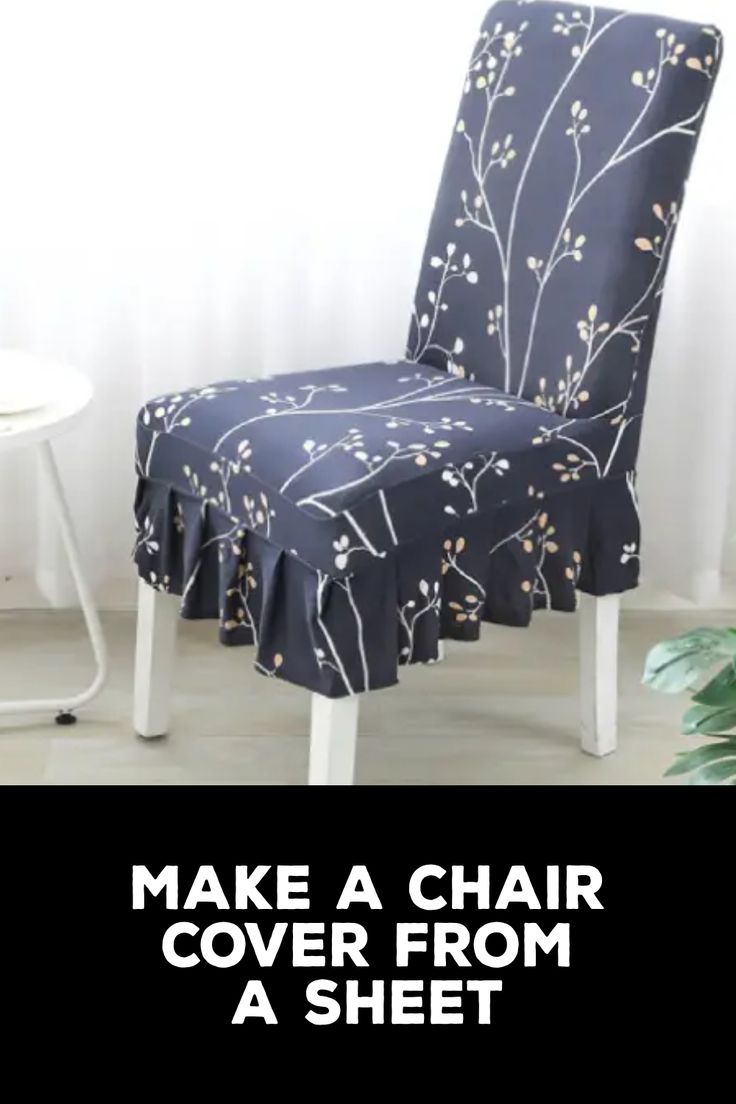
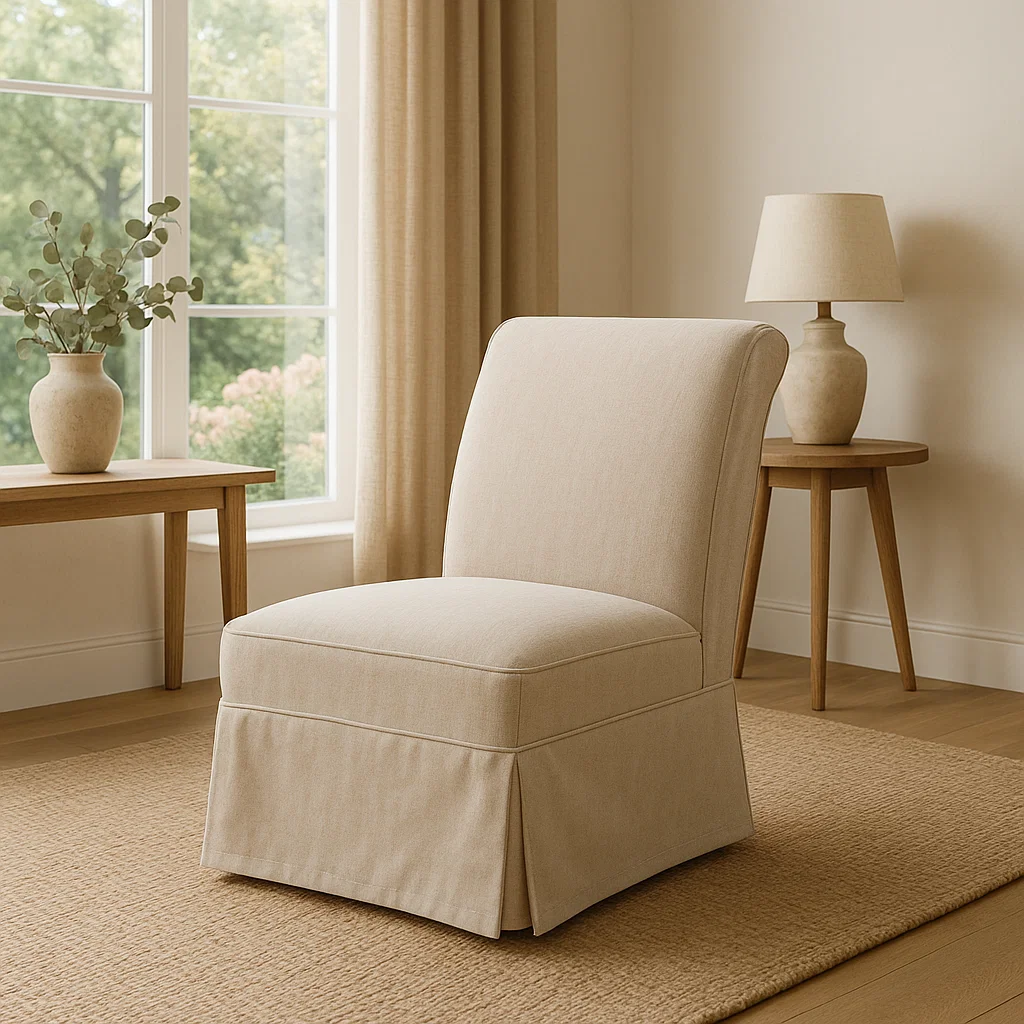
Creating a slipcover for dining chairs adds style and protection. Choose a fabric that matches your decor. Sew a simple cover with basic stitching skills for a custom look.
Adding a personal touch to your dining chair slipcovers can transform your dining area from simple to sensational. Customizing your slipcovers with decorative elements not only showcases your creativity but also enhances the overall aesthetic of your dining space. It’s a fun and rewarding process that invites you to reflect your style and flair.
Trims And Embellishments
Adding trims and embellishments can elevate the look of your slipcovers. Consider using piping to define the edges, giving your chairs a polished and professional look. Fringe or tassels can add a playful element, perfect for a bohemian or eclectic vibe. For a touch of elegance, incorporate lace or ribbon trims. These details can be sewn along the bottom edge or around the seat for a subtle yet sophisticated finish. Remember, trims are like the jewelry of your slipcovers – they should complement, not overpower.
Customizations
Why not personalize your slipcovers with monograms or initials? They add a personal touch and can make your guests feel special when they visit. Use fabric paint or embroidery to add these details. Think about the seasons or holidays. You could add seasonal motifs like leaves for autumn or snowflakes for winter. Iron-on patches are a quick and easy way to make these changes without a long-term commitment.
Consider the practicality as well. Adding pockets to the sides of your slipcovers can be both decorative and functional, offering a spot for napkins or utensils. This small customization can make your dining experience more convenient and organized. What decorative touches will you choose to make your dining room uniquely yours?
Credit: www.aosom.com
Maintenance Tips
Creating a dining chair slipcover involves choosing durable fabric and precise measurements. Cut fabric to fit the chair snugly. Use a sewing machine to stitch seams tightly for a neat finish.
Maintaining your dining chair slipcovers can extend their life and keep them looking fresh and inviting. Whether you’ve chosen a bold pattern or a subtle, elegant fabric, proper care ensures they remain a beautiful feature in your dining room. Here are some practical tips to help you clean and repair your slipcovers with ease.
Cleaning Instructions
Regular cleaning is essential to keep your slipcovers in top shape. Always check the care label first—it’s your best guide for washing methods. Most slipcovers can be machine-washed in cold water to prevent shrinkage. Use a gentle detergent to avoid damaging the fabric. If you’re dealing with tough stains, treat them with a stain remover before washing. Air drying is ideal as it prevents shrinkage and maintains fabric texture. Vacuuming your slipcovers weekly can also prevent dust and debris from settling into the fabric. Attach a brush or upholstery tool to your vacuum cleaner for the best results.
Repairing Wear And Tear
Slipcovers are not immune to the occasional rip or tear. Have a basic sewing kit handy for quick repairs. A simple needle and thread can work wonders on small tears. For larger rips, consider using iron-on patches that match your fabric. These patches are easy to apply and can extend the life of your slipcovers significantly. If your slipcover’s seams are coming undone, a sewing machine can provide a durable fix. Reinforcing these areas can prevent further damage. Investing a little time in maintenance can save you money in the long run. Why replace when you can repair? Keeping your slipcovers in great condition is not just about aesthetics; it’s about making the most of your efforts and resources.
Frequently Asked Questions
How Do You Measure For A Slipcover?
To measure for a slipcover, start by measuring the height, width, and depth of your chair. Pay attention to armrest and seat dimensions. Accurate measurements ensure a snug fit. Consider using flexible fabric for easier adjustments. Precision in measurement is key for a professional-looking slipcover.
What Fabric Is Best For Slipcovers?
Cotton and linen are excellent choices for slipcovers due to their durability and easy maintenance. These fabrics are breathable and provide a neat finish. For added elegance, consider heavy-duty options like twill or canvas. Select a fabric that complements your decor and withstands frequent use.
Can I Make Slipcovers Without Sewing?
Yes, no-sew slipcovers are possible using fabric glue or Velcro. Simply cut the fabric to size, then secure it with adhesive or Velcro strips. This method is ideal for quick updates. Ensure the fabric edges are neatly folded for a polished look, enhancing your dining area’s aesthetic.
How Do You Maintain Slipcovers?
To maintain slipcovers, regularly vacuum and spot clean stains. Machine wash if fabric permits, using mild detergent. Air dry to prevent shrinkage. Rotate slipcovers periodically to ensure even wear. Proper care extends their lifespan and keeps them looking fresh and inviting.
Conclusion
Creating your own dining chair slipcover is simple and rewarding. You save money and customize your space. Choose fabrics that suit your room’s style. Measure carefully for a snug fit. Follow each step patiently for a flawless finish. Enjoy your refreshed dining area.
A personal touch makes your home unique. Experiment with colors and patterns. Invite friends over to admire your handiwork. Feel proud of your creativity and effort. Share your slipcover tips and inspire others. Transform your dining room with easy updates.
A small change can make a big difference. Happy decorating!

Home Improvement Expert & Senior Writer at HomeFixio
Reed Atwood is a seasoned home improvement expert with a passion for transforming everyday living spaces into functional and stylish havens. With years of experience in DIY projects, renovations, and home upgrades, Reed brings a wealth of knowledge to HomeFixio. As a senior writer, he provides readers with practical, easy-to-follow guides, expert tips, and innovative solutions for every room in the house. His goal is to empower homeowners to tackle their projects with confidence, ensuring both quality results and a rewarding experience.