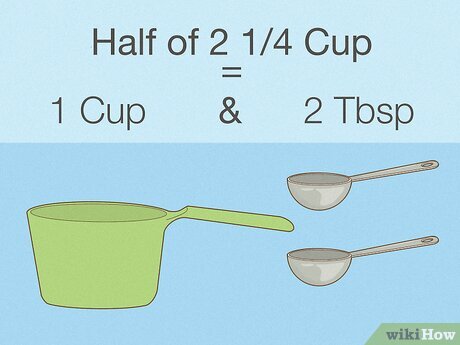
How to Measure 2 1 4 Cups: Expert Tips & Tricks
Have you ever found yourself in the middle of cooking or baking, only to pause and wonder how to measure 2 1/4 cups accurately? It’s a common conundrum in kitchens everywhere, and getting it right is crucial for the success of your delicious creations.
Whether you’re whipping up a batch of cookies or crafting a savory sauce, precision in measurement can make all the difference. In this guide, you’ll discover simple, foolproof ways to master this measurement, ensuring your dishes turn out perfect every time.
Stick around to transform your culinary skills and avoid those pesky kitchen mishaps!
Importance Of Accurate Measurement
Accurate measurement ensures recipes turn out as expected. Use a standard measuring cup for precise results. Pour ingredients to the brim for 2 1/4 cups. Adjust for dry or liquid ingredients accordingly. Proper measurement affects taste and texture significantly.
Accurate measurement in cooking isn’t just a matter of precision—it’s the key to achieving the perfect balance of flavors and textures. Imagine baking your favorite cake, only to find it’s dry because you miscalculated the liquid ingredients. Accurate measurement ensures consistency, allowing you to replicate dishes with the same success every time. It’s the difference between a dish that delights and one that disappoints.Why Exact Measurements Matter
Exact measurements are crucial in recipes because they maintain the intended balance of ingredients. If you’re off by even a small amount, the taste and texture can change dramatically. Ever tried a soup that was too salty or a bread that didn’t rise? These mishaps often come down to inaccurate measurements.Common Mistakes In Measuring
One common mistake is using the wrong type of measuring tool. Liquid and dry measuring cups are designed differently for a reason. Using a liquid cup to measure flour, for example, can lead to packing the flour down too much, resulting in more flour than the recipe calls for.Practical Tips For Accurate Measurement
Always use the right tool for the job. Use a liquid measuring cup for liquids and a dry measuring cup for solids. Level off dry ingredients with a knife to avoid excess. For sticky ingredients, like honey, coat your measuring cup with a bit of oil for easy release and accurate measurement.Personal Insight On Precision
I once tried to bake cookies without properly measuring the sugar, thinking a little more sweetness wouldn’t hurt. The result? Cookies that were too sweet and didn’t hold their shape. That experience taught me the importance of sticking to the recipe, which is like a roadmap to culinary success.Engage Your Inner Chef
Have you ever considered how chefs consistently produce delicious dishes? It’s not just talent; it’s precision. Next time you cook, challenge yourself to measure accurately. Take note of the difference it makes in your final dish. How does it taste? How does it feel? You might find that precision is the secret ingredient you’ve been missing all along.Tools You Need
Accurately measuring 2 1/4 cups involves using reliable kitchen tools like measuring cups and spoons. A clear liquid measuring cup ensures precision, while a kitchen scale provides consistency for dry ingredients.
When you’re in the kitchen and your recipe calls for 2 1/4 cups, having the right tools can make measuring a breeze. With the right equipment, you can ensure precision and make your cooking experience enjoyable. Let’s dive into the essential tools you’ll need to measure accurately, ensuring your culinary creations turn out perfectly every time.Measuring Cups
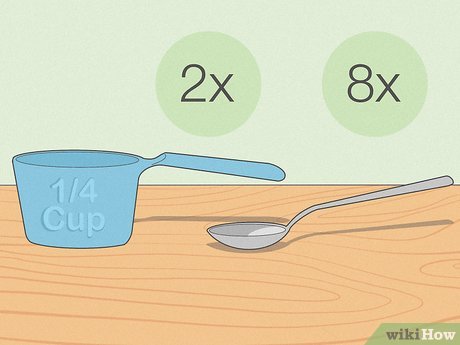
Measuring cups are the unsung heroes of baking and cooking. They are designed to measure dry and liquid ingredients accurately. Most sets include cups for 1/4, 1/3, 1/2, and 1 cup. To measure 2 1/4 cups, you could fill the 1-cup measure twice and then the 1/4-cup measure once. It’s straightforward, yet crucial for achieving the right balance in your dishes.Measuring Spoons
While measuring spoons are typically used for smaller quantities, they can be useful for adding precision to your measurements. If you’re just shy of the 1/4 cup, using a tablespoon, which is equivalent to 1/16 of a cup, can help fine-tune your measurements. Having a reliable set of measuring spoons ensures that even the smallest amounts are just right.Kitchen Scale
A kitchen scale is a game-changer for those who love accuracy. It’s perfect for recipes that require exact measurements. If you’re ever in doubt about your cup measurements, weighing your ingredients can offer precision. For instance, if your recipe provides a weight for 2 1/4 cups, using the scale removes any guesswork. Do you find yourself second-guessing your measurements? With these tools, you can measure confidently and focus on what matters most—creating delicious dishes. Have you tried using a kitchen scale for your recipes? You might be surprised at how it elevates your cooking game.Steps To Measure 2 1/4 Cups
Measuring 2 1/4 cups involves using a standard measuring cup. First, fill the 2-cup measure and pour it into a larger container. Then, fill the 1/4 cup measure and add it to the container. Ensure the liquid or dry ingredient is level for accuracy.
Measuring 2 1/4 cups might seem simple, but if you’ve ever found yourself staring at your measuring tools and wondering how to get the fraction just right, you’re not alone. Precision in the kitchen can make or break a recipe. Whether you’re baking a cake or preparing a savory dish, accurate measurements are crucial. Let’s dive into the steps you can follow to measure 2 1/4 cups precisely.Using Measuring Cups
The most straightforward method is using measuring cups designed for dry or liquid ingredients. Start by identifying the 1-cup and 1/4-cup measures. Pour your ingredient into the 1-cup measure twice to get 2 cups. Next, add your ingredient to the 1/4-cup measure to complete the 2 1/4 cups. Consider using a spoon to level off dry ingredients for accuracy. Have you ever noticed how flour can vary in volume? This technique ensures that you’re using exactly what the recipe calls for.Using Kitchen Scale
A kitchen scale offers precision and can be a lifesaver when measuring fractional quantities. Place a bowl on your scale and set it to zero. Add your ingredient until the scale reads the weight equivalent to 2 1/4 cups. Consult a conversion chart for the exact weight of your ingredient. This method is particularly useful for ingredients like nuts or oats, where volume can be misleading. Did you know that a kitchen scale can also help reduce waste by measuring only what you need? Measuring 2 1/4 cups accurately can enhance the texture and taste of your dish. Which method will you try in your next cooking adventure?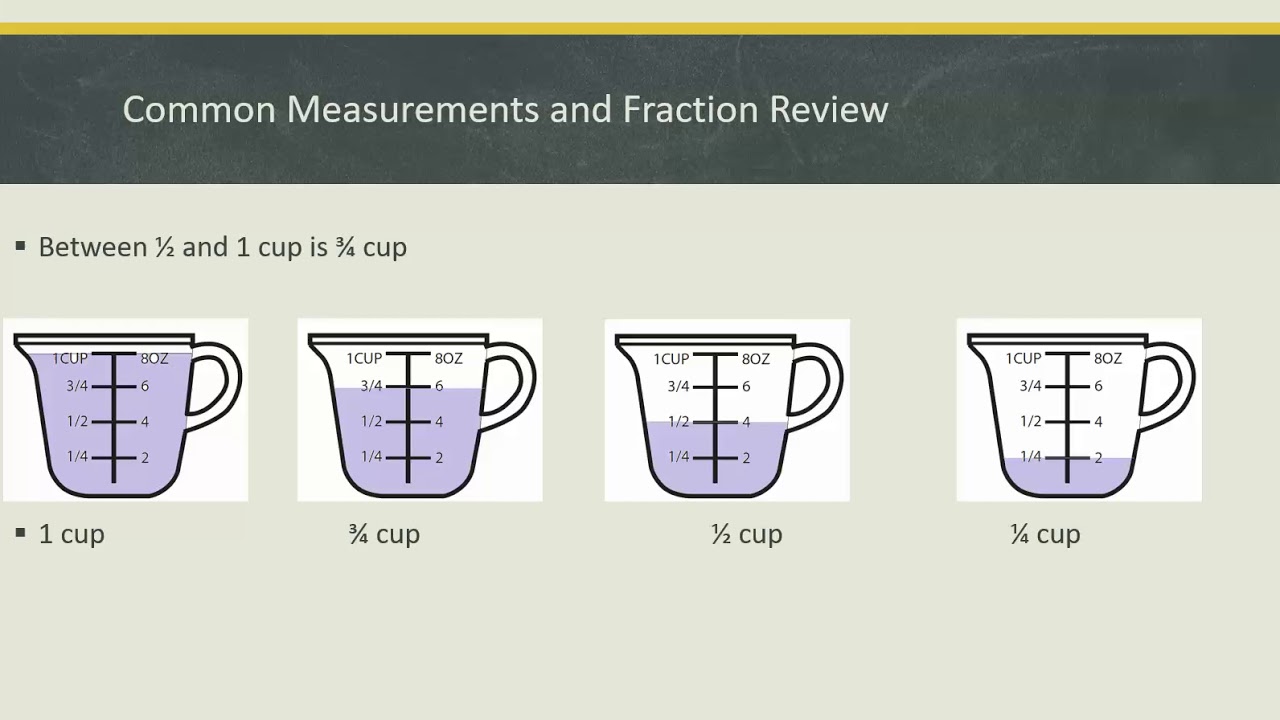
Credit: www.youtube.com
Common Mistakes To Avoid
Avoiding common mistakes in measuring 2 1/4 cups is crucial for precise recipes. Use a proper measuring cup for accuracy. Always level off the top for exact measurements.
Measuring ingredients accurately is crucial in cooking and baking. When dealing with measurements like 2 1/4 cups, even a small error can lead to a recipe disaster. Understanding common mistakes can help you avoid these pitfalls and keep your culinary creations on track.Misreading Measurements
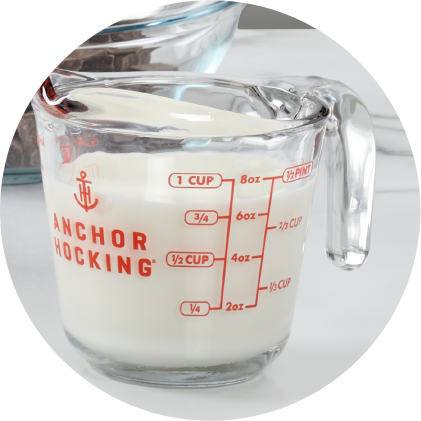
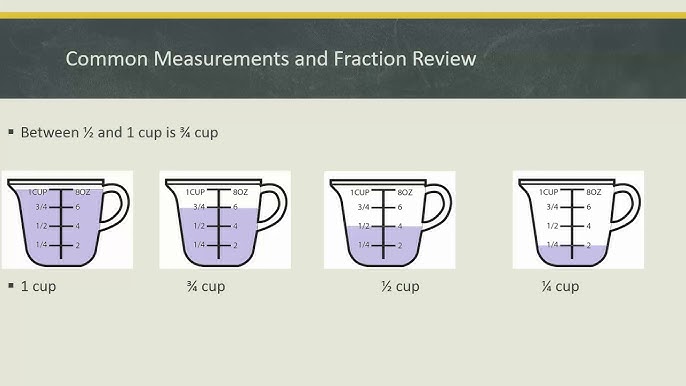
A common mistake is misreading measurements on your measuring cup. Make sure you’re looking at the correct line for 2 1/4 cups. It’s easy to mistake 1/4 for 3/4 if you’re not careful. Always double-check the measurement lines.Using The Wrong Type Of Measuring Cup
Some people use liquid measuring cups for dry ingredients and vice versa. Each type is designed specifically for its purpose. A dry measuring cup allows you to level off the top, while a liquid cup has a spout for pouring. Make sure you use the right one to avoid inaccuracies.Not Leveling Off Dry Ingredients
When measuring dry ingredients, it’s crucial to level off the top with a flat tool. A heaping cup can throw off your recipe. Use a knife or a flat edge to ensure the measurement is precise. This simple step can make a big difference.Ignoring Temperature Effects
Temperature can affect the volume of some ingredients, especially liquids. Cold liquids can contract, while warm ones expand. Consider the temperature of your ingredients to ensure accuracy. If necessary, let them reach room temperature before measuring.Relying Solely On Visual Estimation
Eyeballing measurements can lead to inconsistent results. While it might seem quicker, it’s risky. Use a measuring cup for exactness. Remember, precision is key to achieving the desired taste and texture. Have you ever found yourself wondering why your cake didn’t rise or your sauce was too thick? Small measurement mistakes could be the culprit. By paying attention to these details, you can improve your cooking skills and impress your family and friends.Expert Tips For Precision
Getting the right measurements in cooking can be the difference between a culinary masterpiece and a kitchen disaster. When you’re aiming for precision, especially with a specific measurement like 2 1/4 cups, there are expert tips that can help ensure accuracy and consistency in your recipes.
Leveling The Ingredients
One of the simplest yet most effective techniques is leveling your ingredients. After scooping your flour or sugar into the cup, take a straight edge—like a knife—and scrape across the top. This removes the excess and ensures you’re not packing too much or too little into your measurement.
Have you ever wondered why your cookies spread too much? It could be because your cup was overfilled. Leveling prevents this common mistake and helps your baked goods achieve their intended texture and taste.
Using The Right Tools
The tools you choose can make a huge difference. Use dry measuring cups for ingredients like flour and sugar, and liquid measuring cups for liquids like milk or oil. They’re designed for their respective tasks, so using them correctly improves precision.
Consider investing in a scale if you frequently measure ingredients. Weighing ensures absolute accuracy, especially if you’re following a recipe that demands exactness. Have you ever thought about how professionals achieve perfect results? A scale is often their secret weapon.
Precise measurements can make or break a dish. What tricks do you use to ensure accuracy in your kitchen? By adopting these tips, you can cook with confidence, knowing your measurements are spot on every time.
Converting Measurements
Converting measurements is crucial in cooking and baking. It ensures accuracy and consistency in recipes. Understanding how to convert different measurements can save time and prevent errors. This skill is especially useful when dealing with unusual quantities like 2 1/4 cups. Knowing the right conversion methods for dry and liquid ingredients makes the process seamless.
Dry Ingredients
Measuring dry ingredients requires precision. Use the correct measuring cups for dry items. For 2 1/4 cups, use a 1-cup measure twice, then a 1/4 cup measure. Level off each cup with a straight edge. This method ensures exact amounts. Flour, sugar, and similar items benefit from this technique.
Liquid Ingredients
Liquid ingredients need different tools. Use a clear measuring cup with a spout. Pour the liquid to the 2-cup mark. Then, add until you reach 1/4 cup more. Check the measurement at eye level. This prevents over or under measuring. Water, milk, and oil should be measured this way.
Faqs On Measuring Techniques
Measuring ingredients accurately can be tricky. Especially with unusual amounts like 2 1/4 cups. Many home cooks wonder about the best ways to measure such amounts. Below are some frequently asked questions that can help clear doubts.
How Do I Measure 2 1/4 Cups Without A Measuring Cup?
Use a standard cup and fill it twice. Then, fill it one-fourth of the way for the remaining amount. Alternatively, use a scale. Convert cups to ounces for precise measurements.
Can I Use A Digital Scale For Measuring Cups?
Yes, a digital scale is precise. Measure the ingredient in grams or ounces. Check conversion charts for accurate numbers. This ensures consistency in your recipes.
What If My Measuring Cup Only Shows Ounces?
Convert cups to ounces. 1 cup equals 8 ounces. So, 2 1/4 cups equals 18 ounces. Use this conversion to measure accurately.
Is It Important To Level Off The Ingredients?
Yes, leveling is crucial for dry ingredients. It ensures the right amount. Use a knife or spatula to level the top. This avoids excess or shortage.
Why Do Some Recipes Fail With Incorrect Measurements?
Incorrect measurements affect texture and taste. Baking requires precision. Even small errors can alter the outcome. Accurate measuring ensures success.
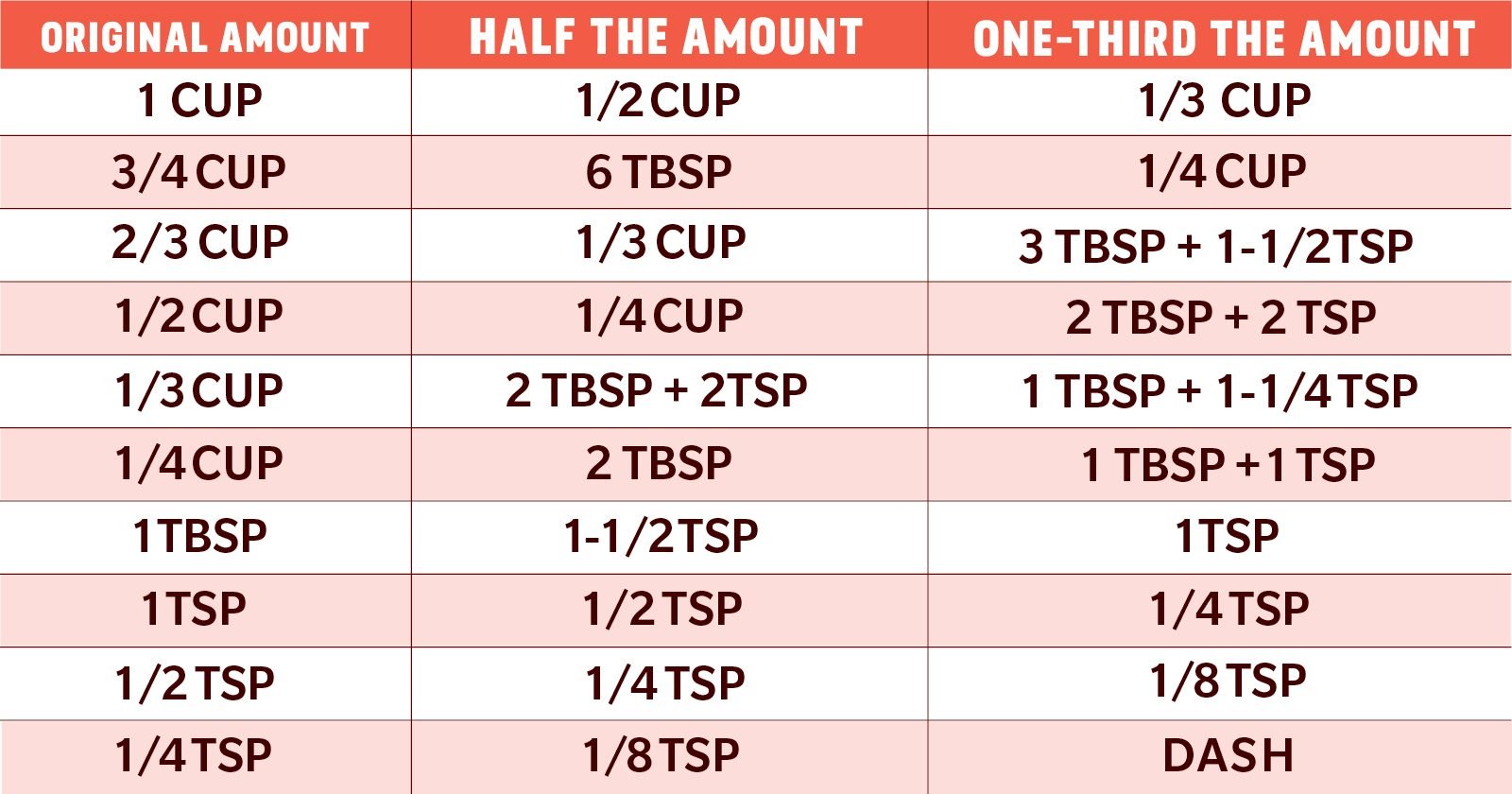
Credit: www.tasteofhome.com

Credit: www.youtube.com
Frequently Asked Questions
What Is The Best Way To Measure Cups?
To measure 2 1/4 cups accurately, use a liquid measuring cup. Fill it to the 2-cup line, then add another 1/4 cup. For dry ingredients, use a dry measuring cup and level off the excess. This ensures precision in your measurements, essential for successful recipes.
Can I Use A Kitchen Scale For Cups?
Yes, a kitchen scale can be used to measure cups. Convert the volume measurement to weight using a conversion chart. This method ensures accuracy, especially for dry ingredients like flour. It’s a reliable alternative when you need precision for your recipes.
Are Measuring Spoons Useful For Cups?
Measuring spoons are not ideal for measuring cups. They are designed for smaller quantities, typically tablespoons or teaspoons. For measuring cups, use a liquid or dry measuring cup. This ensures accuracy and consistency in your recipes, avoiding potential measurement errors.
How Do I Measure Dry Ingredients Accurately?
For dry ingredients, use a dry measuring cup. Scoop the ingredient and level it off with a flat edge. This method prevents excess and ensures accurate measurements. Proper technique is crucial for baking, where precision affects the final product’s texture and taste.
Conclusion
Measuring 2 1/4 cups can seem tricky, but it’s manageable. Break it down step-by-step. Use clear measurements for accuracy. Ensure your tools are precise. Practice makes perfect. Get familiar with your measuring cups. It helps build confidence in the kitchen.
Cooking is about enjoying the process. Exact measurements ensure delicious results. Don’t rush. Slow and steady wins the race. Accurate measurements lead to better dishes. Over time, you’ll become more comfortable. Cooking becomes less stressful. Enjoy your time in the kitchen.
Happy cooking!

Home Improvement Expert & Senior Writer at HomeFixio
Eliot Granger is a seasoned home improvement expert with years of experience transforming living spaces. Specializing in everything from kitchen renovations to bathroom upgrades, Eliot shares his knowledge through practical, insightful articles. His passion for creating functional, beautiful homes drives him to offer expert tips and solutions for every corner of your house. As a trusted writer for HomeFixio, Eliot is dedicated to helping homeowners make informed decisions and achieve precision in their projects.