How to Measure 2 3/4 Cups: Expert Tips & Tricks
Struggling to measure 2 3/4 cups accurately can feel like trying to solve a math puzzle while you’re hungry. You’ve got your recipe ready, but how exactly do you nail this measurement without second-guessing yourself?
You’re not alone. Many home cooks find themselves in a similar bind, unsure if they’re eyeballing it correctly or if there’s a trick they’re missing. Imagine the satisfaction of whipping up a dish with perfect precision, knowing you’ve measured every ingredient spot on.
Not only does it boost your confidence in the kitchen, but it also elevates the flavor and texture of your culinary creations. This article is here to ensure you never face this measuring conundrum again. We’ll break down simple, foolproof methods to help you measure 2 3/4 cups with ease and accuracy. Stick with us, and you’ll soon conquer any recipe with confidence and precision.
Credit: hudsonessentials.com
Understanding Cup Measurements
Understanding cup measurements is crucial in cooking and baking. Accurate measurements lead to delicious results. Especially in recipes requiring precision. It’s easy to misjudge measurements without proper tools. This can affect the taste and texture of your dishes. Knowing how to measure 2 3/4 cups accurately can make a big difference.
What Is A Cup?
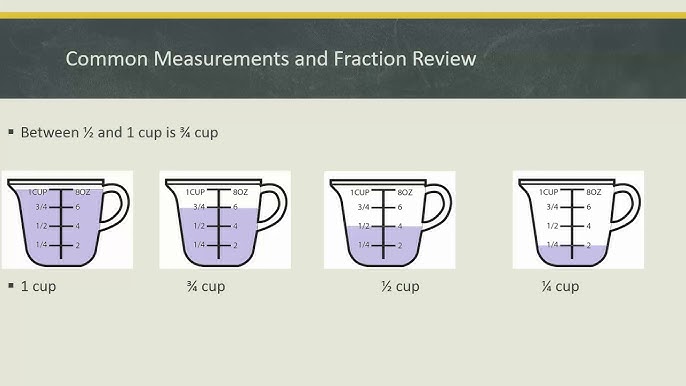
A cup is a standard unit of volume used in cooking. It’s commonly used in recipes to measure liquids and dry ingredients. A standard US cup equals 240 milliliters. In recipes, a cup provides a consistent measure for ingredients.
Why Accurate Measurements Matter
Accurate measurements ensure the right balance of ingredients. This affects the flavor and texture of your dishes. Too much or too little of an ingredient can alter the outcome. Consistency is key for replicating recipes successfully.
Tools For Measuring Cups
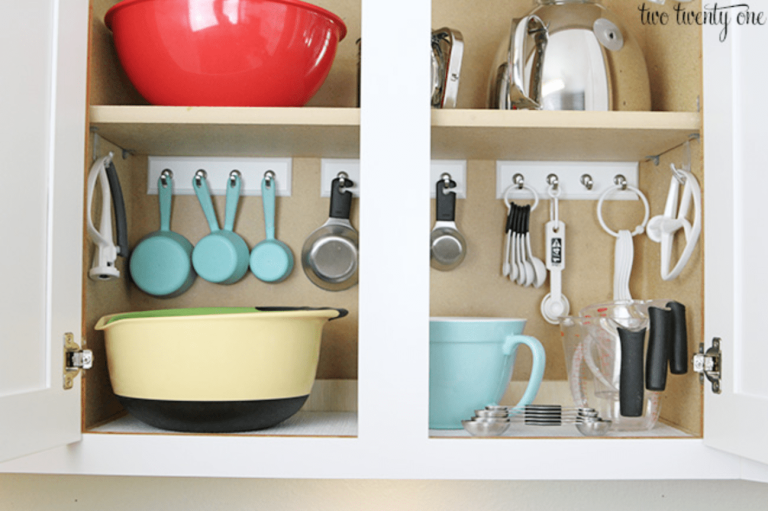
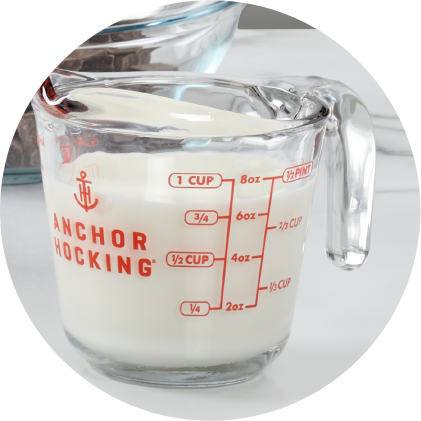
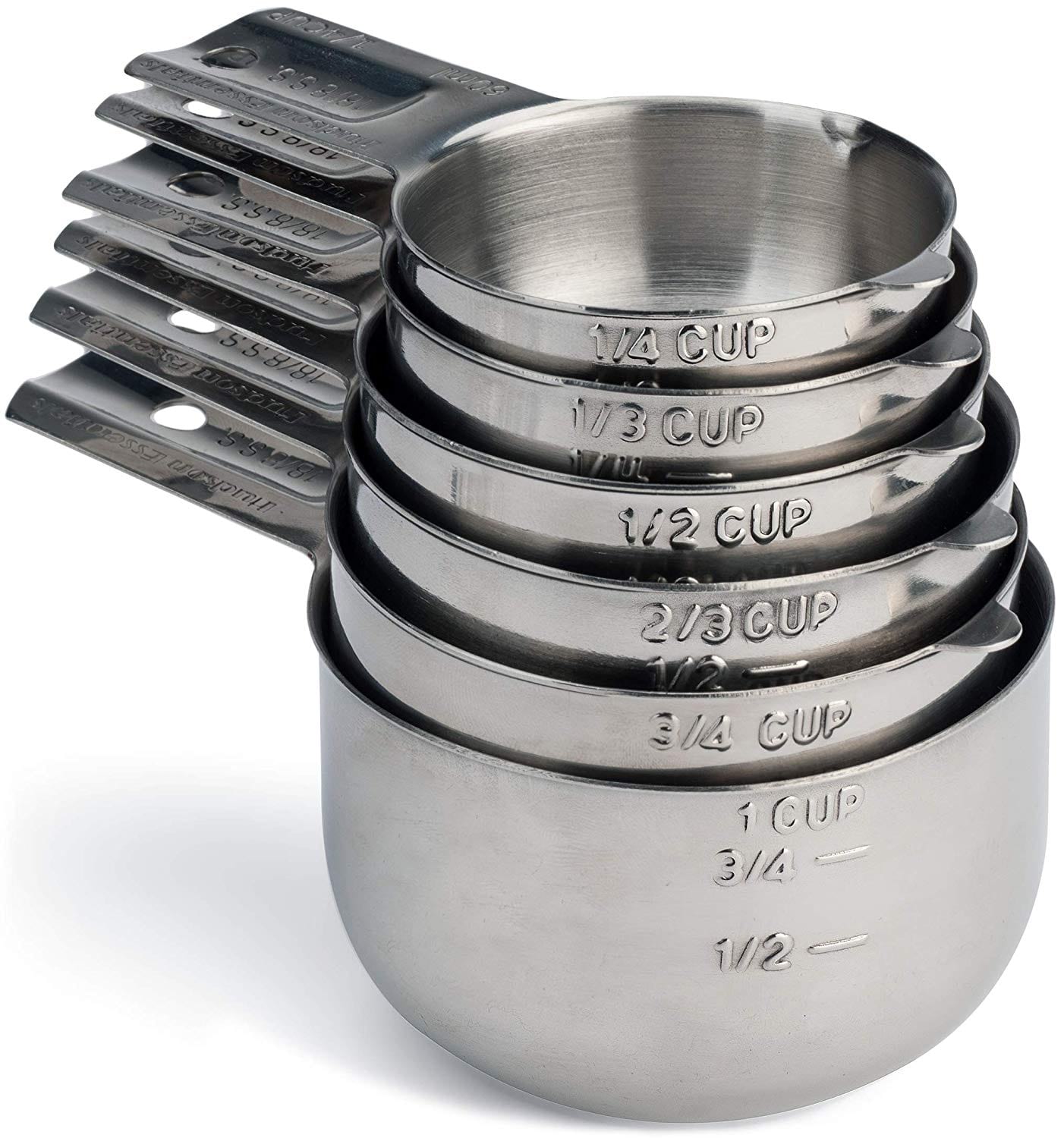
Use measuring cups for precise measurements. They come in sets with different sizes. Liquid measuring cups have spouts for easy pouring. Dry measuring cups are for ingredients like flour and sugar. Use the right tool for accurate results.
How To Measure 2 3/4 Cups
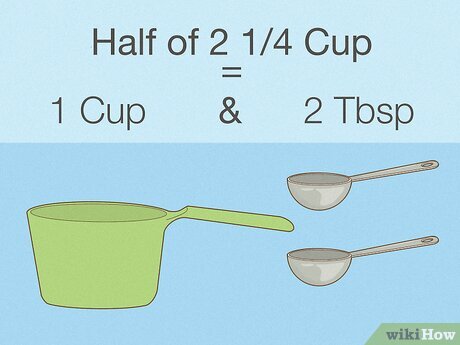
To measure 2 3/4 cups, use a combination of measuring cups. First, use a 2-cup measuring cup. Then, add a 3/4 cup measuring cup. Ensure the measurement is level for accuracy. This method provides an accurate total of 2 3/4 cups.

Credit: www.wikihow.com
Tools For Accurate Measuring
Accurate measuring in the kitchen ensures recipes turn out perfectly. Knowing the right tools can make a big difference. Whether you’re baking or cooking, precision matters. Let’s explore some essential tools. They’ll help you measure 2 3/4 cups with confidence.
Standard Measuring Cups
Standard measuring cups are a kitchen staple. They come in various sizes. For 2 3/4 cups, use a 1-cup and a 3/4-cup together. This combination gives you the exact amount needed. Ensure the cups are leveled off. Use a straight edge for accuracy. This prevents overflow or under-measurement.
Digital Kitchen Scales
Digital kitchen scales offer precise measurements. They convert cups to grams easily. Place your bowl on the scale. Zero the scale before adding ingredients. Add until you reach the desired weight. This method ensures consistency every time. It’s especially helpful with dry ingredients.
Measuring Techniques
Proper technique is crucial in measuring. Use a spoon to fill the measuring cup. Avoid scooping directly from the container. This prevents compacting. Tap the cup gently to settle contents. Then, level off with a straight edge. This ensures you have the exact amount. Practice makes perfect in mastering these techniques.
Step-by-step Guide
Measuring ingredients precisely is crucial for cooking and baking success. Understanding how to measure 2 3/4 cups can make a difference in your recipe’s outcome. This step-by-step guide will walk you through the process. Each step ensures accuracy and consistency, turning your culinary creations into delicious masterpieces.
Leveling Dry Ingredients
Use a measuring cup for dry ingredients. Spoon the ingredient into the cup. Avoid packing it down. Fill the cup slightly above the rim. Use a flat edge, like a knife, to level off the top. This removes excess and ensures accuracy.
Pouring Liquid Ingredients
Choose a liquid measuring cup with a spout. Place it on a flat surface. Pour the liquid slowly into the cup. Ensure the cup is at eye level. Check the measurement at the meniscus, the curve at the top of the liquid. Adjust as needed for precision.
Handling Sticky Ingredients
Sticky ingredients require special handling. Grease your measuring cup lightly. This prevents sticking. Spoon or pour the sticky ingredient into the cup. Use a spatula to level and remove any excess. This helps achieve an accurate measurement.
Common Mistakes To Avoid
Using the wrong measuring cup size can lead to inaccurate results. Always use a standard set of measuring cups. Also, ensure the cup is filled to the correct level for precise measurement.
Measuring ingredients accurately is crucial in cooking and baking. Mistakes can lead to a dish that doesn’t taste right. Understanding common errors helps avoid them. Here are some pitfalls to steer clear of.Using The Wrong Tools
Not all measuring tools are the same. Dry and liquid ingredients need different cups. Using the wrong cup leads to incorrect measurements. Liquid measuring cups are usually clear, with a spout. Dry measuring cups are often solid, without a spout. This difference matters.Estimating Without Measuring
Guessing measurements is risky. It can cause recipes to fail. Precision ensures the right texture and taste. Always use measuring cups, even for small amounts. Estimations can throw off recipes. This is especially true in baking.Ignoring Ingredient Types
Different ingredients behave differently. Flour packs down; liquids flow easily. Ignoring these differences can cause errors. For flour, scooping straight from the bag leads to too much. Spoon it into the cup, then level it off. Liquid ingredients need careful pouring to avoid spills. Avoid these common mistakes to measure accurately every time.Expert Tips For Precision
Measuring 2 3/4 cups precisely is simple with the right tools. Use a liquid measuring cup for accuracy and level the surface. For dry ingredients, fill and level each cup separately to ensure precision.
Expert Tips for Precision Measuring 2 3/4 cups accurately is crucial. Small errors can affect your recipe’s outcome. Precision ensures your dish turns out perfect. You need to follow expert tips to achieve this. Each method has its own merits. Understanding and implementing these tips will make your cooking experience smoother. Let’s dive into the details.Using Conversion Charts
Conversion charts are essential tools in the kitchen. They help convert measurements easily. You can find these charts online or in cookbooks. They provide clear guidance on different measurement units. For example, converting cups to ounces or grams. Having a chart handy saves time and avoids confusion. Use them to ensure every ingredient is measured precisely.Calibrating Measuring Tools
Check your measuring tools regularly. This ensures they provide accurate measurements. Calibrate your scales and cups periodically. This step is crucial for precise cooking. It helps avoid discrepancies in your recipes. If your measuring cup is off, your recipe will be too. Make calibration a regular habit for consistent results.Practicing Consistency
Consistency in measuring is key. Develop a routine for measuring ingredients. Use the same technique each time. This helps achieve uniformity in your dishes. Always level off ingredients in measuring cups. This practice prevents excess or deficit in quantities. Consistent measuring leads to consistent cooking outcomes.Alternative Measuring Methods
Using a kitchen scale can help measure 2 3/4 cups accurately. Convert cups to ounces for precision. Alternatively, use liquid measuring cups for liquids and dry cups for solids.
Measuring 2 3/4 cups can sometimes be a challenge, especially if you don’t have the right tools at hand. Thankfully, there are alternative methods that can come to your rescue. These techniques not only offer precision but also add a bit of fun to your culinary adventures. Let’s dive into some creative ways to measure accurately without a traditional measuring cup.Using A Scale For Precision
A kitchen scale is a fantastic tool when you need accuracy. If you’ve ever had a recipe go awry because of incorrect measurements, you know the importance of precision. To measure 2 3/4 cups using a scale, you first need to know the weight equivalent of the ingredient you are measuring. For instance, if you’re measuring flour, 1 cup typically weighs around 125 grams. So, for 2 3/4 cups, you’ll need approximately 344 grams. This method is especially helpful for baking, where exact measurements can make or break your dish.Diy Measuring Hacks
Sometimes you have to get creative in the kitchen, and that’s where DIY measuring hacks come in handy. Have you ever found yourself without a measuring cup and no scale in sight? Don’t panic—use everyday items to help you out. One approach is to use a standard drinking glass. Most regular glasses hold about 1 cup of liquid. Fill it two times and then estimate three-quarters for the last bit. Alternatively, if you have a tablespoon, remember that 1 cup equals 16 tablespoons. For 2 3/4 cups, you’d need 44 tablespoons. These hacks might not be perfect, but they can definitely save the day. Plus, they can be a fun experiment to see just how close you can get to the actual measurement. Do you have a favorite household item that you use for measuring in a pinch? By using these alternative methods, you can ensure your recipes turn out just right, even when traditional tools are out of reach. So, next time you’re in the kitchen, try these ideas and see which one works best for you.
Credit: www.wikihow.com
Frequently Asked Questions
What Tools Measure 2 3/4 Cups Accurately?
To measure 2 3/4 cups accurately, use a standard liquid measuring cup. Ensure it’s placed on a flat surface and viewed at eye level. For dry ingredients, use a dry measuring cup and level off with a straight edge. This ensures precision and consistency in your measurements.
Can I Measure 2 3/4 Cups Without A Cup?
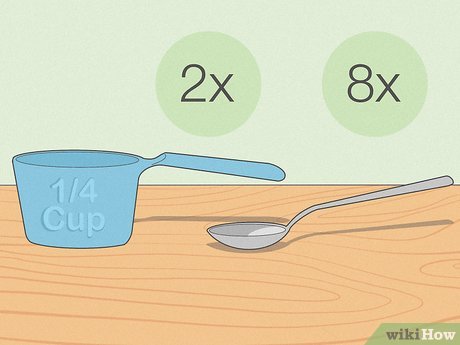
Yes, you can measure 2 3/4 cups without a cup using tablespoons. There are 16 tablespoons in a cup. Multiply 2 3/4 by 16, which equals 44 tablespoons. Use a tablespoon to measure, ensuring accuracy by leveling off each spoonful.
Is Using A Scale Better For Measuring Cups?
Using a scale can be more accurate than measuring cups, especially for dry ingredients. Convert cups to grams or ounces for precise measurement. This method avoids errors caused by packing or leveling. Always use a reliable kitchen scale for best results.
How Do I Convert 2 3/4 Cups To Milliliters?
To convert 2 3/4 cups to milliliters, multiply by 236. 588. This equals approximately 650. 12 milliliters. This conversion is useful for international recipes. Ensure accuracy by using a graduated cylinder or measuring jug with milliliter markings.
Conclusion
Understanding the basics of measuring ingredients is crucial. Accurate measurements enhance your cooking. This guide on measuring 2 3/4 cups simplifies the process. Use a standard measuring cup for consistency. Remember to level off the top for precision. Proper techniques ensure delicious recipes every time.
Practice makes perfect. Keep experimenting and improving your skills. With time, you’ll measure with confidence. Cooking can be fun and rewarding. Follow these tips for better results. Enjoy your time in the kitchen. Happy cooking!

Home Improvement Expert & Senior Writer at HomeFixio
Eliot Granger is a seasoned home improvement expert with years of experience transforming living spaces. Specializing in everything from kitchen renovations to bathroom upgrades, Eliot shares his knowledge through practical, insightful articles. His passion for creating functional, beautiful homes drives him to offer expert tips and solutions for every corner of your house. As a trusted writer for HomeFixio, Eliot is dedicated to helping homeowners make informed decisions and achieve precision in their projects.