What is a Liquid Mixture Whose Parts are Evenly Blended: Explained
Have you ever wondered about the science behind the drinks you sip or the air you breathe? Imagine a world where everything blends perfectly, creating a seamless harmony of components.
This is the fascinating realm of liquid mixtures, where substances unite so flawlessly that you can’t tell one part from another. But what exactly is a liquid mixture whose parts are evenly blended, and why should you care? Understanding this concept can change how you view everyday items and even improve your experiences in cooking, cleaning, and beyond.
By the end of this article, you’ll have the knowledge to identify these mixtures in your surroundings and perhaps even create some of your own. Dive in to discover the magic of evenly blended liquids—your curiosity will thank you!
Definition Of Liquid Mixtures
Understanding liquid mixtures is essential in everyday life, whether you’re mixing salad dressing or creating your favorite cocktail. A liquid mixture is a blend where the components are uniformly distributed, providing consistency in flavor, texture, and appearance. This uniformity makes liquid mixtures versatile and reliable in various applications.
Liquid mixtures are combinations of two or more substances where the particles are evenly distributed throughout the solution. This means that each part of the mixture has the same composition and properties. Think about a simple syrup where sugar is dissolved in water, creating a consistent sweetness throughout the liquid.
But here’s the intriguing part: not all liquid mixtures are the same. Some mixtures, like oil and vinegar, require a good shake to blend evenly. Have you ever wondered why some mixtures stay together while others separate? It all boils down to the properties of the substances involved.
Characteristics Of Liquid Mixtures
- Uniformity:Each part of a liquid mixture is identical, ensuring that the taste, texture, and color are consistent throughout. This uniformity is crucial for culinary creations, where precise flavor is key.
- Homogeneous vs. Heterogeneous:Liquid mixtures can be homogeneous, like saltwater, or heterogeneous, like a vinaigrette. The former stays mixed without settling, while the latter requires occasional stirring or shaking.
- Solubility:The ability of substances to dissolve in a liquid determines the mixture’s stability. Soluble substances create permanent mixtures, whereas insoluble substances might separate over time.
Common Examples Of Liquid Mixtures
Liquid mixtures are everywhere, from your kitchen to the lab. Consider beverages like coffee or tea, where flavors are extracted and blended uniformly. Or think about cleaning solutions where the active ingredients are evenly distributed for effective results.
Have you tried making your own salad dressing? You’ll notice how oil and vinegar, when shaken, create a temporary emulsion. This example highlights the fascinating dynamics of liquid mixtures, inviting you to explore different combinations in your culinary experiments.
Applications And Importance
Liquid mixtures play a vital role in various industries. In pharmaceuticals, they ensure accurate dosing and effectiveness. In the culinary world, they guarantee flavor consistency. Imagine enjoying a cocktail where each sip offers the same delightful taste—this is the magic of liquid mixtures.
As you experiment with liquid mixtures in your daily life, consider the science behind them. Why do some mixtures blend effortlessly while others need a little encouragement? Your curiosity will lead you to more flavorful, effective, and enjoyable concoctions.
Characteristics Of Evenly Blended Mixtures
Liquid mixtures with evenly blended parts have uniform composition throughout. Each component is distributed equally, ensuring consistency in texture and taste. Such mixtures are stable and often used in cooking, cosmetics, and pharmaceuticals.
Understanding the characteristics of evenly blended mixtures is crucial in both everyday activities and scientific endeavors. These mixtures, often called solutions, are fascinating because of their uniform composition. Imagine making a cup of tea where every sip tastes the same, thanks to the even distribution of tea particles throughout the water.Definition Of Evenly Blended Mixtures
Evenly blended mixtures, or homogeneous mixtures, have components that are uniformly distributed. You can’t see the individual parts with the naked eye. This uniformity is what differentiates them from heterogeneous mixtures where you can spot the different substances.Uniform Particle Distribution
In an evenly blended mixture, particles are spread out evenly. Each part of the mixture is identical in composition. This consistency is why a can of soda tastes the same from start to finish.Examples In Everyday Life
Think about saltwater from the ocean; the salt is dissolved evenly throughout the water. Or consider the air you breathe, a blend of gases like oxygen and nitrogen, evenly mixed to ensure every breath provides the same essential elements.Practical Applications
These mixtures are essential in industries like pharmaceuticals, where consistent medication dosage is critical. In cooking, ensuring your cake batter is evenly mixed prevents uneven baking, resulting in a delicious, perfectly textured cake.Impact On Taste And Texture
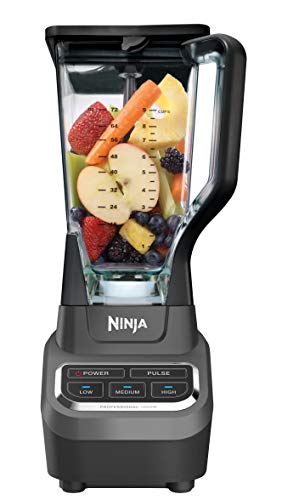
Ever wonder why your smoothie tastes the same throughout? Even blending ensures the flavors and textures are consistent, providing a satisfying experience. This uniformity is why chefs and home cooks strive for evenly mixed ingredients.Challenges In Achieving Even Blending
Achieving uniform mixtures can be tricky. It requires careful mixing techniques and sometimes specialized equipment. Have you ever struggled to dissolve sugar in cold tea? It’s a simple example of the challenges in creating evenly blended mixtures.Types Of Liquid Mixtures
A liquid mixture with evenly blended parts is known as a homogenous mixture. In such mixtures, components mix uniformly, appearing as a single substance. Common examples include saltwater and sugar dissolved in water.
In the world of chemistry, liquid mixtures are intriguing. They consist of two or more substances mixed together. Each type of mixture has unique properties. Understanding these can be helpful in many fields.Solutions
Solutions are clear mixtures. Their parts are evenly blended. One substance dissolves in another. The dissolved part is called the solute. The one doing the dissolving is the solvent. For example, saltwater is a solution. Salt is the solute, and water is the solvent. Solutions do not scatter light. They appear the same throughout.Colloids
Colloids are mixtures with small particles. These particles do not settle. They remain spread out in the liquid. Milk is an example of a colloid. It contains fat particles that stay suspended. Colloids scatter light, making them look cloudy. They are stable and do not separate easily.Suspensions
Suspensions are mixtures with large particles. They do not dissolve. Instead, they float in the liquid. Over time, these particles may settle at the bottom. Muddy water is a suspension. The mud particles are visible and can settle. Suspensions can be separated by filtering. This makes them different from solutions and colloids.
Credit: www.facebook.com
Examples Of Evenly Blended Liquid Mixtures
Liquid mixtures, where components blend evenly, are common in daily life and various industries. These mixtures hold diverse applications, enhancing convenience and efficiency. Let’s explore some examples of these evenly blended liquid mixtures.
Common Household Liquids
Household items often contain evenly blended liquid mixtures. These mixtures ensure consistency and effectiveness. Here are a few examples:
- Vinegar:A mix of acetic acid and water.
- Milk:Contains water, fats, proteins, and sugars blended smoothly.
- Liquid Soap:A combination of water, detergents, and fragrances.
These mixtures provide uniform texture and function in everyday tasks.
Industrial Applications
In industries, liquid mixtures are crucial for production. They aid in manufacturing and processing:
- Paints:Even mix of pigments, solvents, and resins.
- Lubricants:Blended oils and additives reduce friction.
- Cleaning Solutions:Uniform blend of water and cleaning agents.
Such mixtures ensure products meet quality and performance standards.
Biological Mixtures
Biological systems rely on evenly blended liquids for function. These include:
- Blood:A blend of cells, plasma, and nutrients.
- Saliva:Mixture of water, enzymes, and electrolytes.
- Cytoplasm:Even distribution of organelles and molecules in cells.
These mixtures support vital processes, maintaining life and health.
Methods Of Blending Liquids
A liquid mixture with evenly blended parts is called a solution. It’s formed when substances dissolve uniformly in a liquid, creating a consistent texture. Solutions are clear and stable, with no visible separation of components.
Mixing liquids to create evenly blended mixtures is a fascinating process that can be approached in several effective ways. Understanding these methods can enhance your skills in creating perfect blends, whether you’re crafting a culinary masterpiece or developing a scientific solution. Each method brings its own unique advantages and can be chosen based on the desired outcome of your mixture. Let’s explore some popular techniques that you can use in your blending adventures.Stirring
Stirring is the most straightforward method of blending liquids. It involves using a utensil to mix the components until they are uniformly combined. Picture yourself stirring sugar into your morning coffee—simple, yet effective. Stirring is ideal for mixtures that require gentle integration without excessive agitation. Keep in mind, stirring is not just limited to spoons; you can use whisks or spatulas depending on the consistency of your liquids. Are you the kind of person who likes to watch things blend seamlessly? Stirring offers a satisfying visual as the elements unite into one harmonious liquid.Shaking
Shaking is a dynamic way to blend liquids, especially when you’re short on time or need a vigorous mix. Think of a bartender shaking a cocktail; it’s quick and ensures all ingredients are evenly distributed. Shaking is particularly useful for mixtures that include ingredients with varying densities. To shake effectively, use a sealed container to prevent spills. This method is perfect for those moments when you need an immediate blend and enjoy the workout that comes with it. Plus, shaking can be a fun activity to do with kids—let them shake up a homemade salad dressing!Ultrasonic Mixing
Ultrasonic mixing is a cutting-edge technique that utilizes sound waves to blend liquids at a microscopic level. This method is often used in laboratory settings or high-tech industries where precision is crucial. Imagine using this method to create a perfectly uniform mixture that even the naked eye can’t distinguish. Ultrasonic mixing is ideal for complex mixtures that require thorough integration. While this might not be a typical kitchen technique, it’s fascinating to consider how sound can transform liquid mixtures into perfectly blended solutions. Would you ever try ultrasonic mixing if given the chance?
Credit: www.preparedfoods.com
Factors Influencing Mixture Uniformity
A liquid mixture with evenly blended parts relies on several key factors. Proper stirring ensures uniformity, while temperature and viscosity affect blending speed. Ingredient compatibility is crucial, as some substances mix better than others.
Factors influencing mixture uniformity are crucial in achieving an evenly blended liquid mixture. Understanding these factors helps in creating mixtures with consistent properties. Uniformity ensures that the mixture behaves predictably, whether it’s in industrial applications or everyday products. Let’s explore key factors that affect how well parts of a liquid mixture blend.Temperature
Temperature plays a significant role in mixture uniformity. Higher temperatures can increase the movement of molecules. This helps them blend more easily. Cold temperatures slow down molecular motion. This can lead to uneven blending. Consistent temperature control is essential for uniform mixtures.Pressure
Pressure influences how particles in a liquid mixture interact. High pressure can force molecules closer together. This enhances their ability to mix uniformly. Low pressure may result in less interaction. It can cause separation of components. Managing pressure conditions ensures the mixture remains consistent.Concentration
Concentration determines how much of each component is present. A balanced concentration leads to better blending. Too much of one component can dominate the mixture. This can affect uniformity. Adjusting concentration ratios is vital for achieving even distribution.Importance In Everyday Life
A liquid mixture with evenly blended parts is a solution. Solutions are essential in daily life, from cooking to cleaning. They ensure uniform distribution of ingredients, making tasks easier and more efficient.
The term “liquid mixture whose parts are evenly blended” might sound technical, but it plays a crucial role in our daily lives. From the coffee you sip in the morning to the skincare products you apply before bed, evenly blended mixtures are essential. They ensure consistency, quality, and effectiveness in various industries, making your everyday experiences smoother and more enjoyable.Cooking And Food Industry
In the kitchen, evenly blended liquid mixtures are a chef’s best friend. Imagine making a salad dressing: if the oil and vinegar don’t mix well, you end up with a lackluster taste. By ensuring ingredients are evenly combined, you achieve rich flavors and textures. In the food industry, consistency is key. Products like sauces, soups, and beverages rely on homogeneous mixtures for uniform taste and texture. This consistency keeps customers coming back for more.Pharmaceuticals
In the world of medicine, the even blending of liquid mixtures is vital. When you take liquid medications, you trust that each dose delivers the exact amount of active ingredients. This precision is crucial for the effectiveness and safety of the medication. Pharmaceutical companies invest heavily in creating stable liquid mixtures. This ensures that every bottle of cough syrup or vial of vaccine provides the intended therapeutic benefit. Have you ever considered how this impacts your health?Cosmetics
Your daily skincare routine benefits greatly from evenly blended liquid mixtures. Whether it’s a moisturizer or a foundation, a smooth, uniform texture is what you expect. This ensures easy application and effective results. Cosmetic manufacturers strive to create products that are both appealing and functional. By using well-blended mixtures, they provide you with luxurious products that enhance your natural beauty. Next time you apply your favorite lotion or enjoy a delicious meal, take a moment to appreciate the science behind these seamless experiences. The importance of evenly blended liquid mixtures is all around you, enhancing your life in unexpected ways.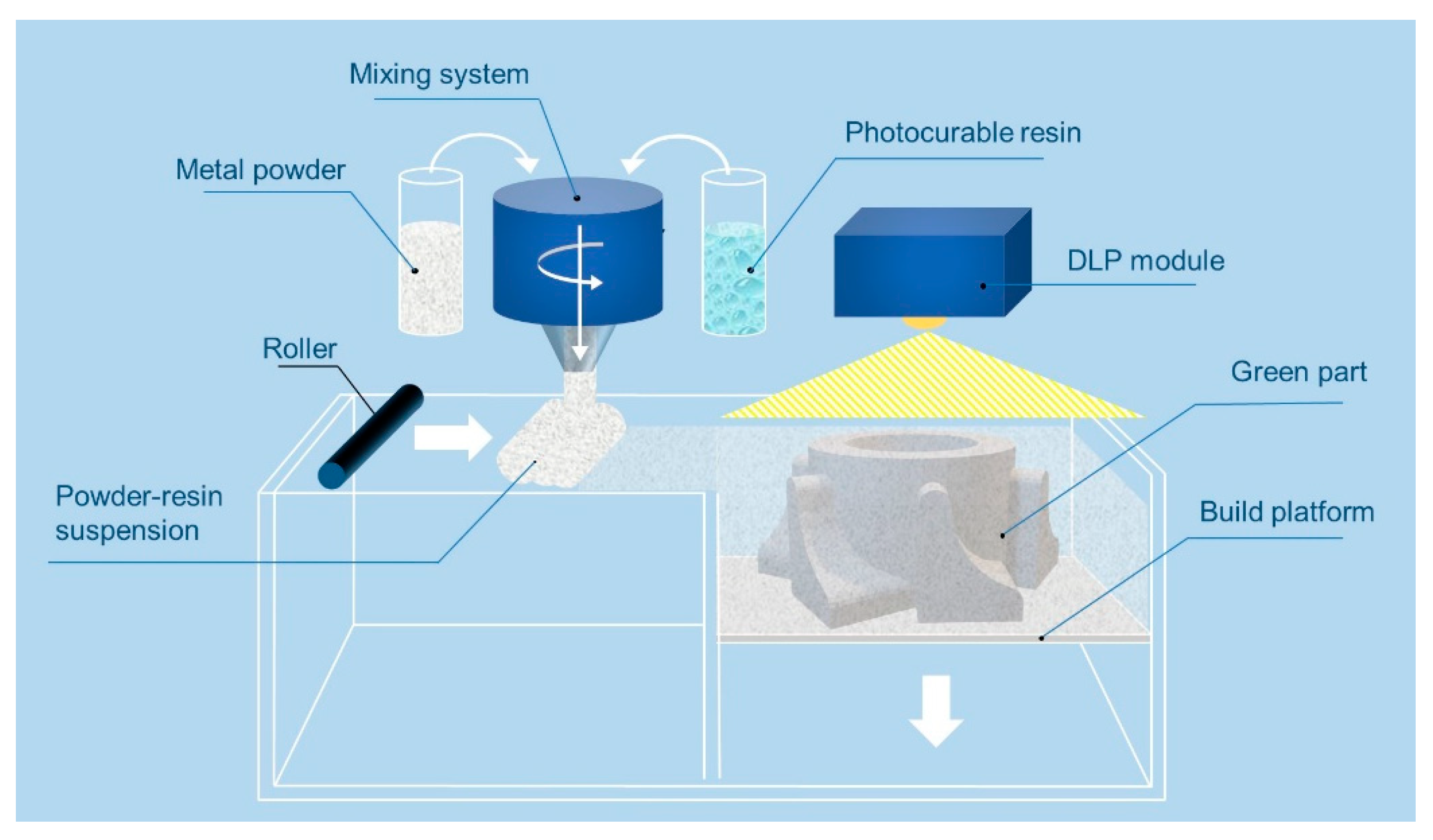
Credit: www.mdpi.com
Challenges In Achieving Even Blends
Achieving even blends in liquid mixtures poses challenges. Different densities and solubility rates can prevent uniform blending. Consistent stirring and temperature control help maintain balance.
Achieving a perfectly blended liquid mixture is no small feat. It requires a keen understanding of the physical and chemical properties involved. Whether you’re mixing a salad dressing or formulating a pharmaceutical product, the challenges in achieving even blends are surprisingly common. Let’s dive into the intricacies of this process and discover what makes it so difficult.Viscosity Differences
Viscosity, or the thickness of a liquid, plays a crucial role in blending. Imagine trying to mix honey with water. The honey’s thickness can prevent it from dispersing evenly. This is where the challenge begins. You might need to heat the mixture or use mechanical stirring to ensure a uniform blend. Think of a time when you tried mixing oil and vinegar. Did you notice how they separated quickly? That’s viscosity at work. Adjusting temperature and using emulsifiers can help overcome these differences. But are you prepared to experiment with these variables?Solubility Limits
Solubility limits can throw a wrench in your blending efforts. Not all substances dissolve completely. Take sugar in iced tea. You can stir endlessly, but some grains might never dissolve. This happens because of solubility limits. Understanding these limits is essential for achieving even blends. Do you know what happens when you exceed them? You end up with undissolved particles, affecting the consistency and appearance of your mixture. Next time you’re mixing, ask yourself: are you respecting these boundaries?Emulsification Needs
Some mixtures require emulsification to blend evenly. Emulsification is the process of mixing two immiscible liquids, like oil and water. Have you ever made mayonnaise? The egg yolk acts as an emulsifier, helping the oil and vinegar blend seamlessly. Without emulsifiers, these liquids will separate over time. It’s a delicate balance. Are you ready to explore different emulsifiers and see how they impact your mixtures? Emulsification is more than just a science; it’s an art. Embrace the trial and error that comes with it, and you might find yourself mastering the perfect blend.Technological Advancements
A liquid mixture whose parts are evenly blended is known as a solution. Solutions are formed when substances dissolve completely, creating uniform composition. They are fundamental in chemistry and essential for various technological advancements.
Technological advancements have dramatically reshaped the way we achieve liquid mixtures whose parts are evenly blended. Gone are the days of manual stirring and waiting for hours to achieve consistency. With the rise of cutting-edge technologies, the mixing process has become more efficient, precise, and versatile. Whether you’re in the food industry or involved in pharmaceuticals, understanding these advancements can lead to better quality products and streamlined operations.Advanced Mixing Equipment
Today’s mixing equipment has evolved far beyond the traditional blender. Machines are now designed with precision in mind, offering features like variable speed control and programmable settings. These innovations mean you can achieve a perfect blend with less time and effort, enhancing productivity and reducing waste. Some equipment even incorporates sensors that monitor the mixture’s consistency in real-time. This technology ensures that every batch meets the required standards. Have you considered upgrading your equipment for better efficiency?Nanotechnology
Nanotechnology is no longer just a buzzword in science fiction; it’s making waves in the mixing industry too. By manipulating materials on a molecular level, we can achieve mixtures that were once thought impossible. This technology allows for more uniform distribution of particles, leading to better product performance. Imagine creating a mixture where every molecule is precisely where it should be. This level of control can enhance the effectiveness of medications or improve the texture of food products. What possibilities could nanotechnology unlock for your operations?Automation In Mixing Processes
Automation is revolutionizing the mixing process by reducing human error and increasing consistency. Automated systems can handle complex recipes and adjust parameters on the fly, ensuring each mixture is just right. This not only saves time but also allows for scalability without sacrificing quality. Consider the impact on your workflow when machines handle repetitive tasks. It frees up time for you and your team to focus on more strategic aspects of your business. Are you ready to embrace automation for a smarter, more efficient mixing process? By leveraging these technological advancements, you can stay ahead in the competitive landscape. Whether through advanced equipment, nanotechnology, or automation, the future of mixing is bright and full of potential.Frequently Asked Questions
What Is A Liquid Whose Parts Are Evenly Blended?
A liquid with evenly blended parts is called a homogeneous mixture or solution. Each component is uniformly distributed. Examples include saltwater and sugar dissolved in water. These mixtures have consistent composition throughout, making them appear as a single substance.
What Is It Called When A Mixture Is Evenly Distributed?
A mixture that is evenly distributed is called a homogeneous mixture. In this mixture, components are uniformly mixed.
What Is It Called When A Substance Mixes Evenly In A Liquid?
When a substance mixes evenly in a liquid, it is called a solution. Solutions are homogeneous mixtures. In solutions, the solute dissolves completely in the solvent. This process creates a uniform composition throughout the liquid.
What Is A Liquid Liquid Mixture That Are Mixed Uniformly Called?
A uniformly mixed liquid-liquid mixture is called a homogeneous mixture or solution. Both components are evenly distributed, making it impossible to distinguish between them. Common examples include vinegar and saltwater.
Conclusion
Understanding liquid mixtures makes everyday tasks easier. Cooking, cleaning, and science rely on these mixtures. Knowledge of evenly blended mixtures helps in many fields. They play crucial roles in chemistry and food. Simple examples include salt water and vinegar solutions.
These mixtures are consistent and reliable. Knowing their properties aids in problem-solving. Explore more to grasp their significance. Learning about them enhances practical skills. Apply this understanding in real-life situations. Liquid mixtures are part of daily life. Their predictability makes them essential.
Embrace the simplicity and utility of these mixtures.

Home Improvement Expert & Senior Writer at HomeFixio
Eliot Granger is a seasoned home improvement expert with years of experience transforming living spaces. Specializing in everything from kitchen renovations to bathroom upgrades, Eliot shares his knowledge through practical, insightful articles. His passion for creating functional, beautiful homes drives him to offer expert tips and solutions for every corner of your house. As a trusted writer for HomeFixio, Eliot is dedicated to helping homeowners make informed decisions and achieve precision in their projects.