What is the Difference between a Wardrobe And an Armoire?
Have you ever stood in front of your bedroom storage options, scratching your head over the terms “wardrobe” and “armoire”? You’re not alone.
These two pieces of furniture often cause confusion, yet they play crucial roles in organizing your living space. Understanding the difference can be the key to transforming your bedroom into a more functional and stylish retreat. Imagine opening a piece of furniture that not only holds your clothes but also complements your room’s aesthetics perfectly.
Intrigued? Let’s dive deeper into what makes a wardrobe distinct from an armoire and help you make the best choice for your home.
Credit: www.vinterior.co
Wardrobe Defined
When you think about organizing your clothes, the image of a wardrobe might spring to mind. But what exactly is a wardrobe? It’s more than just a piece of furniture; it’s a practical solution for storing your clothes, shoes, and accessories. A wardrobe can vary greatly in design, size, and function, tailored to meet the specific needs of your living space.
Basic Structure Of A Wardrobe
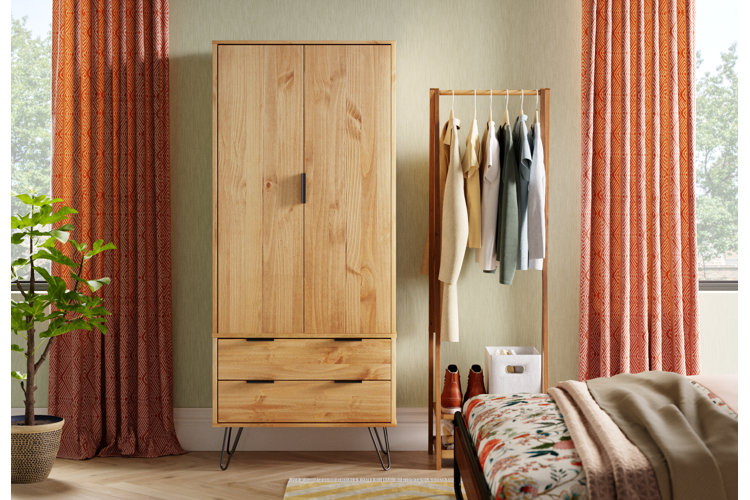
A wardrobe typically consists of a tall, standing closet equipped with doors. Inside, you’ll find a combination of hanging space, shelves, and sometimes drawers, offering versatile storage options. Its structure is straightforward, designed to keep your garments organized and easily accessible.
Materials And Styles
Wardrobes can be made from various materials like wood, metal, or even plastic. The choice of material often influences the wardrobe’s durability and aesthetic appeal. Styles range from sleek and modern to vintage and ornate, allowing you to match your wardrobe with your room’s decor.
Customization Options
One of the exciting aspects of wardrobes is their customization potential. Whether you need more shelves or additional hanging space, you can find or even design a wardrobe that fits your specific needs. This adaptability makes wardrobes a popular choice for many households.
Functionality And Convenience
Wardrobes are all about functionality. They provide a convenient way to keep your clothes organized, making it easier to plan your outfits. Imagine reaching for your favorite shirt without rummaging through a pile—how much time could you save each morning?
Wardrobe Or Armoire: Which Suits Your Needs?
Choosing between a wardrobe and an armoire often depends on your personal storage requirements and room size. If you value simplicity and efficiency, a wardrobe might be your best option. However, understanding your needs will guide you in making the right choice for your lifestyle.
Reflect on your current storage situation. Are you maximizing your space, or could a well-chosen wardrobe enhance your daily routine? Identifying your specific requirements can lead to a more organized and stress-free living environment.
Credit: www.wayfair.com
Armoire Explained
Understanding furniture can be confusing. Armoire is a term often misunderstood. It holds rich history and distinct features.
This piece of furniture is not just a storage unit. It carries elegance and style. The term ‘armoire’ has French roots. It originally referred to a cupboard for storing arms. Over time, its use has evolved significantly.
What Is An Armoire?
An armoire is a large, standing wardrobe. Typically, it is crafted from wood. Its design often includes two doors. Behind these doors, you’ll find shelves or hanging space.
Historical Background Of Armoires
Armoires date back to the 17th century. They were popular in French homes. Originally, they stored armor and weapons. Later, they became symbols of status and wealth.
Design Features Of Armoires
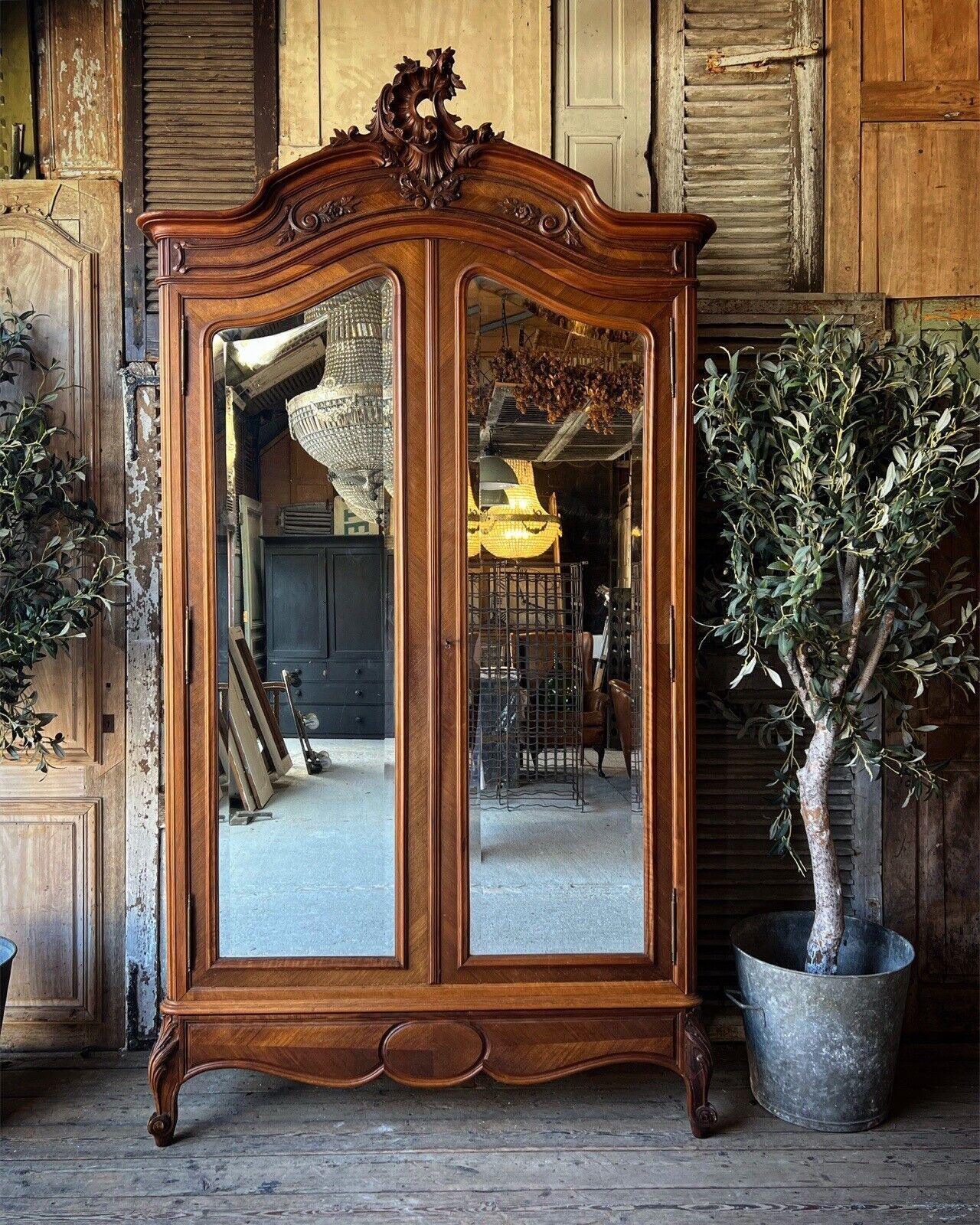
Armoires are known for their intricate designs. They often feature carvings and embellishments. Some have mirrors or glass panels. The design can vary widely.
Uses Of Armoires Today
Today, armoires serve many purposes. They can store clothes or electronics. Some use them as entertainment centers. Their versatility is a key feature.
Why Choose An Armoire?
Armoires add elegance to any room. They offer ample storage space. Their classic design suits many decor styles. An armoire is both functional and stylish.
Historical Background
Understanding the difference between a wardrobe and an armoire requires exploring their historical roots. Both pieces have evolved over centuries, serving as essential elements in home decor. Their origins reveal fascinating stories of design and functionality.
Origins Of Wardrobes
The wardrobe dates back to medieval times. Originally, it was a simple wooden chest. Nobles used these chests to store their garments. Over time, these chests grew taller. Shelves and compartments were added for better organization.
As fashion evolved, wardrobes became more elaborate. By the 17th century, they featured doors and hanging spaces. Their design adapted to changing clothing styles. Today, wardrobes are integral to bedroom furnishings worldwide.
Origins Of Armoires
The armoire has a rich French heritage. Its name is derived from the French word “armaire,” meaning cupboard. Armoires were initially used to store weapons and armor. In the 16th century, they transitioned to clothing storage.
French craftsmanship influenced armoire designs. They were ornate and decorative, showcasing intricate carvings. Armoires became symbols of elegance and status. Their grandeur made them popular among the French aristocracy.
With time, armoires were adapted across cultures. They retained their distinctive style and opulence. Today, they are treasured for their beauty and historical charm.

Credit: www.debbie-debbiedoos.com
Design And Structure
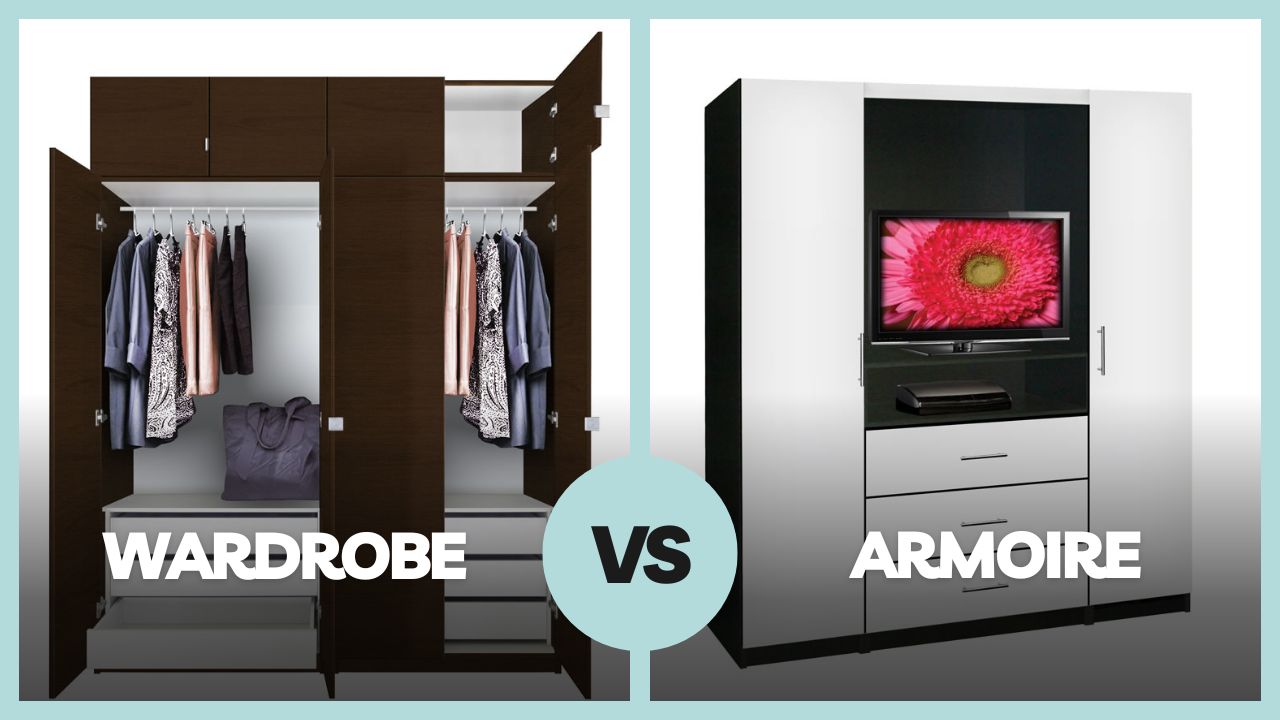
A wardrobe is a large, standing closet for clothes, often with shelves and drawers. An armoire, typically more ornate, serves the same purpose but can also store other items like linens or jewelry.
When you’re furnishing your bedroom, the choice between a wardrobe and an armoire might seem trivial, but it’s crucial for the look and functionality of your space. Understanding their design and structure can help you make an informed decision that suits your needs and aesthetic preferences. Let’s dive into the unique features of each to see what sets them apart.
Wardrobe Features
Wardrobes are designed with practicality in mind. They typically offer a sleek and modern appearance, often with sliding or hinged doors. This design is perfect for maximizing space in smaller rooms. Internally, wardrobes are often customizable. You can find adjustable shelves, hanging rods, and sometimes even built-in drawers. These features provide flexibility, allowing you to tailor the storage to your specific needs. A wardrobe’s structure is usually simpler, focusing on functionality. They might not have ornate details or embellishments, making them a great choice if you prefer minimalistic decor.
Armoire Features
Armoires bring a touch of elegance and tradition to any room. They often feature elaborate designs, with intricate carvings or decorative elements that can serve as a focal point in your decor. Structurally, armoires tend to be more robust and imposing. They usually have two large doors, behind which lies a combination of drawers and shelves. This makes them versatile for storing not just clothes, but also items like linens or personal treasures. An armoire can offer a unique aesthetic that complements vintage or classical interiors. Its design often reflects historical influences, providing not just function but a sense of timeless charm. So, what resonates more with your personal style? Do you lean towards the practicality and simplicity of a wardrobe or the ornate elegance of an armoire? The choice you make can transform your space and elevate your daily routine.
Functional Differences
When choosing between a wardrobe and an armoire, understanding their functional differences can be crucial. While both serve as excellent storage solutions, they have unique attributes that cater to different needs. These differences can influence your decision based on what you need from your furniture. Let’s dive into how these pieces vary in their storage capabilities and common uses.
Storage Capabilities
Wardrobes and armoires both offer storage, but they do so differently. A wardrobe is typically designed with a variety of compartments and hanging spaces. This makes it perfect for organizing clothes, accessories, and shoes. If you’re someone who loves categorizing your attire, a wardrobe might be your best friend.
An armoire, on the other hand, often includes larger, more versatile spaces. It may have shelving and drawers that can accommodate bulkier items like blankets or even electronics. Imagine having a stylish spot for your TV or stereo system. Wouldn’t that be a neat way to blend functionality with style?
Common Uses
Wardrobes are often used in bedrooms. They focus on clothing storage, making them ideal for everyday wear. Picture waking up and having your entire outfit neatly organized and easily accessible. That’s the promise a wardrobe offers.
Armoires, with their flexible storage options, are commonly found in living rooms or home offices. They can hold anything from office supplies to entertainment devices. Picture hosting a movie night and opening the armoire to reveal your TV and sound system. It’s not just storage; it’s a centerpiece.
So, what do you need more? A structured space for clothes or a versatile unit for various household items? Your choice will reflect your lifestyle and organization preferences.
In the end, the decision between a wardrobe and an armoire is not just about aesthetics. It’s about functionality that suits your daily life. Consider your needs and the space you have. Which piece will serve you better, enhancing both your storage and living experience?
Aesthetic Variations
Wardrobes are typically larger, freestanding units designed for storing clothing and accessories. Armoires often feature intricate designs and can include shelves or drawers for additional storage. Their styles vary, offering aesthetic choices to suit different tastes and needs.
Understanding the aesthetic variations between a wardrobe and an armoire can greatly influence your choice in furniture. Both serve as storage solutions, yet they bring different stylistic elements to a room. If you’re planning to enhance your living space, knowing these differences will help you decide which one better fits your decor needs.
Stylistic Elements Of Wardrobes
Wardrobes often have a sleek and modern design. They typically feature clean lines, making them suitable for contemporary spaces. You might find wardrobes with mirrored doors, adding functionality and a sense of space. Some wardrobes come with sliding doors, which are perfect for smaller rooms. This design saves space and adds a touch of elegance. Consider a wardrobe with built-in lighting to highlight its contents and enhance its appeal. Wooden finishes are common, offering a classic look. You can choose from oak, pine, or walnut, each bringing a different vibe. A white finish can give a fresh and airy feel, perfect for minimalist aesthetics.
Stylistic Elements Of Armoires
Armoires, on the other hand, are often more ornate. They usually boast intricate carvings and detailed embellishments. This makes them ideal for traditional or vintage-themed interiors. Many armoires have a more robust and grand appearance. They often feature double doors and sometimes even drawers at the bottom. If you’re looking to add a statement piece to your room, an armoire could be the perfect choice. Armoires are typically crafted from rich, dark woods like mahogany or cherry. These materials add warmth and depth to a room.
You might also find armoires with decorative hardware, such as brass handles, enhancing their classic appeal. Have you ever considered how the furniture you choose can affect the mood of your room? The right choice between a wardrobe and an armoire can transform your space, reflecting your personal style and providing practicality. Which one will you choose to reflect your taste?
Modern Usage
In modern times, wardrobes and armoires serve unique purposes in homes. Their roles have evolved beyond mere storage solutions. Understanding their differences helps in choosing the right piece for your space.
Wardrobes In Contemporary Homes
Wardrobes are popular in today’s modern homes. They often come built into the wall, maximizing space. This built-in feature provides a seamless look in bedrooms. Many have sliding doors, which save space. Their designs vary widely, fitting any room style. Some wardrobes include mirrored doors, offering dual functionality. Others have customizable shelves and drawers. This flexibility suits personal storage needs. Wardrobes are practical for organizing clothes and accessories.
Armoires In Contemporary Homes
Armoires add a touch of elegance to modern spaces. They are standalone pieces, often crafted from fine wood. Their intricate designs make them a focal point. Armoires are versatile, used beyond clothing storage. Many people use them for electronics or linens. This adaptability makes them valuable in various rooms. They can blend into living rooms as statement pieces. Their classic look complements both traditional and modern decor. Armoires often feature detailed craftsmanship, drawing attention to their beauty.
Choosing The Right Option
Choosing between a wardrobe and an armoire can be challenging. Both offer unique benefits that cater to different needs. Understanding their differences helps in making the right choice for your space.
Space Considerations
Wardrobes often provide more flexibility in space usage. Their design can fit into a variety of room sizes. They usually come with sliding doors, which save space. An armoire, on the other hand, might take up more room. Its hinged doors require ample space to open. Consider your room’s size and layout before deciding.
Personal Preferences
Personal style plays a significant role in choosing between the two. Wardrobes offer a modern and sleek appearance. They suit contemporary designs and minimalist decor. Armoires bring a classic and elegant touch. They add character to traditional or vintage interiors. Think about your style and how each option complements it.
Frequently Asked Questions
What Is A Wardrobe Used For?
A wardrobe is a freestanding piece of furniture primarily used for storing clothes. It often includes shelves, drawers, and hanging space. Wardrobes are versatile and can be customized to fit various storage needs. They are typically made of wood, metal, or plastic.
How Does An Armoire Differ From A Wardrobe?
An armoire is a type of wardrobe with ornate designs. It usually has doors and often features intricate detailing. Armoires are traditionally larger and can store not just clothes but also other items like linens or electronics. They add a decorative element to any room.
Can A Wardrobe And Armoire Be Used Interchangeably?
While both serve storage purposes, they aren’t always interchangeable. A wardrobe offers more modern and functional designs. An armoire adds elegance and often serves as a focal point. The choice depends on your storage needs and room decor preferences.
Which Is Better For Small Spaces, Wardrobe Or Armoire?
Wardrobes are generally better for small spaces due to their compact design. They offer efficient storage solutions without occupying too much room. Armoires, on the other hand, tend to be bulkier and may not fit well in tight spaces.
Conclusion
Choosing between a wardrobe and an armoire depends on your needs. Both offer storage, but their styles and functions differ. Wardrobes are practical for simple clothing storage. Armoires bring elegance, often with more detailed design. Consider your space and style preference.
Think about what items you need to store. An armoire might suit a room with antique furniture. A wardrobe fits well in modern settings. Ultimately, pick what aligns with your lifestyle and taste. A well-chosen piece enhances your room’s look and feel.
Both options can be great, just know what works best for you.

Home Interior Design & Renovation Expert at HomeFixio
Sierra Wellington is a skilled home interior designer with extensive experience in plumbing, fittings, and home renovations. Having worked on numerous residential projects, Sierra specializes in creating functional and aesthetically pleasing spaces. With a keen eye for design and a deep understanding of the technical aspects of home improvement, he provides expert advice on everything from layout planning to fixture installations. As a writer for HomeFixio, Sierra shares his practical insights and creative solutions, helping homeowners elevate their spaces with precision and style.