How to Clean Out a Sink Drain: Easy DIY Tips
Have you ever noticed your sink draining slower than usual or emitting an unpleasant odor? Chances are, your sink drain needs a good cleaning.
Cleaning out your sink drain might seem like a daunting task, but it’s easier than you think. By tackling this simple chore, you can prevent clogs and keep your kitchen or bathroom smelling fresh. Imagine the satisfaction of watching water flow smoothly down the drain and breathing in a space free from unpleasant smells.
You’ll discover straightforward steps to clean out your sink drain effectively. Whether you’re dealing with a minor blockage or just want to maintain a fresh environment, you’re in the right place. Stick around to learn how to make your sink drain work like new again.
Tools And Materials
Cleaning a sink drain requires basic tools and materials like a plunger, baking soda, and vinegar. A wrench and plumber’s snake are helpful for stubborn clogs. Keep a bucket and gloves handy to manage messes and protect your hands.
Cleaning out a sink drain can be a straightforward task with the right tools and materials. Having the proper equipment makes the job easier and helps prevent damage. This section will guide you through what you’ll need for a seamless cleaning experience.Basic Tools
Some tools are essential for tackling clogged drains effectively. A plunger is a must-have for clearing minor blockages with ease. Keep a wrench handy to remove drain covers or pipes if needed. A drain snake helps to reach deep clogs that a plunger cannot handle.Cleaning Materials
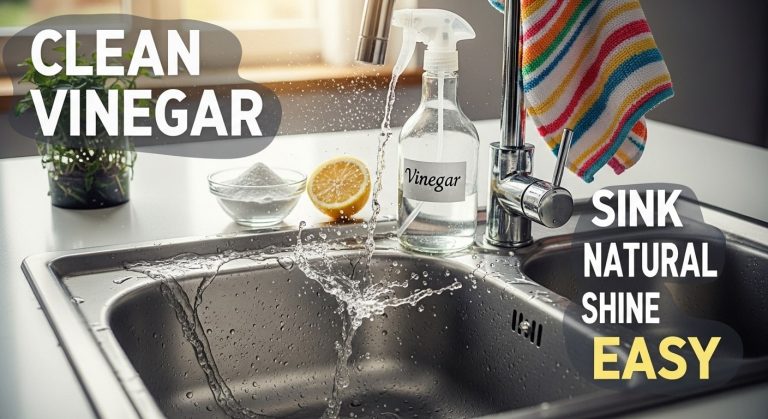
Common household items can be useful for cleaning drains. Baking soda and vinegar provide a natural way to break down debris. Dish soap mixed with hot water helps dissolve greasy build-ups. A microfiber cloth is perfect for wiping away residues after cleaning.Protective Gear
Safety is important when dealing with drains. Gloves protect your hands from grime and chemicals. Safety goggles prevent splashes from reaching your eyes. An apron can keep your clothes clean during the process.Optional Equipment
Certain tools can enhance your cleaning efficiency. A wet/dry vacuum can suck out stubborn debris from the drain. A flashlight helps illuminate dark and hard-to-see areas. Brushes with long handles assist in scrubbing unreachable spots. By gathering these tools and materials, you can tackle any sink drain with confidence and ease.Safety Precautions
Ensure safety by wearing gloves to protect your hands. Use a mask to avoid inhaling fumes from cleaners. Keep the area well-ventilated to minimize exposure to harmful substances.
Cleaning out a sink drain might seem straightforward, but ensuring your safety is paramount. Whether you’re tackling a minor clog or a major blockage, taking the right precautions can prevent accidents and make the process smoother. It’s easy to overlook safety when you’re focused on the task, but a little preparation can go a long way.Wear Protective Gear
Before you dive in, make sure you’re equipped with protective gloves. These shield your hands from harsh chemicals and sharp debris. If you’re using a chemical drain cleaner, goggles are crucial to protect your eyes from splashes. Think of your safety gear as your first line of defense against any unexpected mishaps.Ventilation Is Key
Ensure your workspace is well-ventilated. Chemical fumes can be dangerous, especially in a confined space like a bathroom or kitchen. Open a window or turn on a fan to keep the air fresh. This small step can make a big difference in maintaining a safe environment.Know Your Tools
Familiarize yourself with the tools you’re using. A plumber’s snake or a wrench can be surprisingly tricky if you’re not used to handling them. Ensure they’re in good condition and know how they work before you start. This not only prevents damage but also boosts your confidence in the task.Handle Chemicals With Care
Always read and follow the instructions on chemical cleaners. These products can be potent, and misuse may lead to harmful reactions. Use only the recommended amount and never mix different chemicals. Ask yourself, are you handling these solutions with the respect they deserve?Mind Your Surroundings
Clear the area around your sink to avoid accidents. Tripping over clutter can lead to spills or injuries. Keep your workspace organized, allowing you to focus solely on the task at hand. A tidy space is a safe space, wouldn’t you agree?Seek Help If Needed
There’s no shame in calling a professional if you’re unsure. Safety is more important than pride. If the clog seems severe or you’re uncomfortable, get an expert to look at it. Sometimes, knowing when to step back is the smartest move you can make.Removing The Drain Cover
Lift the drain cover using a screwdriver or pliers. Carefully remove it to access the sink drain. This allows easy cleaning of debris and buildup inside.
Cleaning out a sink drain might seem like a daunting task, but it’s surprisingly straightforward when you break it down step-by-step. The first step is removing the drain cover, which gives you access to all the gunk and debris lurking beneath. This part of the process is crucial because it sets the stage for a thorough cleaning. Have you ever wondered why your drain keeps clogging? Perhaps it’s time to take a closer look and get hands-on.Understanding Your Drain Cover Type
Identifying the type of drain cover you have is essential. Whether it’s a pop-up, grid, or screw-in type, each requires a different approach. Take a moment to examine the cover and note its design.Gathering Necessary Tools
Before you dive in, make sure you have the right tools on hand. A screwdriver, pliers, and a flashlight can be incredibly helpful. These tools ensure you don’t damage anything in the process. Carefully unscrew or lift the drain cover, depending on its type. If it’s a pop-up drain, simply pull it out gently. For screw-in covers, use a screwdriver and store the screws safely to avoid losing them.Inspecting For Damage
Once the cover is off, inspect it for any signs of wear or damage. This step is crucial as a damaged cover can lead to further plumbing issues. If needed, consider replacing it for optimal functionality.Dealing With Stubborn Covers
Some covers might be stuck due to grime buildup. In such cases, a little elbow grease might be necessary. Apply a bit of vinegar or lubricant and let it sit for a few minutes before trying again. Removing the drain cover might seem like a small task, but it’s the gateway to a cleaner, more efficient drain. It’s a simple yet powerful step that can make a big difference in your sink’s performance. So, what are you waiting for? Grab your tools and tackle that drain cover today!Clearing Debris
Clearing debris from a sink drain can prevent clogs and bad odors. Use baking soda and vinegar to break down buildup. Flush with hot water to ensure a clear passage. Regular cleaning keeps your sink functioning smoothly.
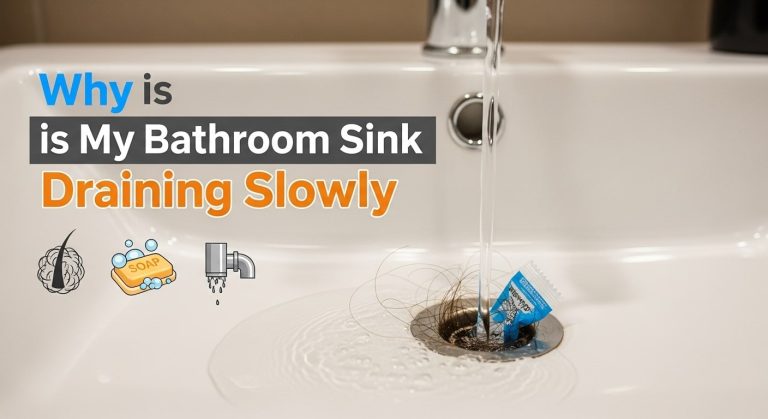
Clearing debris from your sink drain is essential to maintain its efficiency. Over time, food particles, hair, and soap scum can accumulate, leading to blockages. Removing these obstacles not only enhances water flow but also prevents unpleasant odors. There are effective methods to clear debris without using harsh chemicals. Let’s explore some of these techniques.Using A Plunger
A plunger is a simple tool to dislodge debris. Ensure there is enough water in the sink to cover the plunger’s rubber part. Position the plunger directly over the drain. Press down firmly and then pull up quickly. Repeat this motion several times. This action can loosen trapped particles, restoring proper drainage.Applying Baking Soda And Vinegar
Baking soda and vinegar create a powerful cleaning reaction. Start by pouring half a cup of baking soda down the drain. Follow with half a cup of vinegar. Cover the drain with a plug or cloth. Wait for about 15 minutes. The mixture will fizz and break down debris. Flush with hot water to wash away the loosened particles.Utilizing A Drain Snake
A drain snake is a flexible tool for deeper clogs. Insert the snake into the drain until you hit resistance. Twist the handle to hook onto the debris. Pull the snake out slowly to remove the blockage. This method works well for stubborn clogs that are harder to reach. Regular use can keep drains clear and functional.Cleaning The P-trap
Cleaning the P-trap involves removing the curved pipe under the sink to clear clogs. Begin by placing a bucket underneath and unscrewing the trap carefully. This process helps prevent unpleasant odors and ensures smooth water flow.
Cleaning the P-Trap The P-trap is an essential part of your plumbing system, capturing debris and preventing unpleasant odors from coming up through your sink. Over time, it can get clogged and need cleaning. If you’ve ever wondered why your sink drains slowly or emits a foul smell, the P-trap might be the culprit. Cleaning it is straightforward, but requires a bit of elbow grease and patience. Ready to roll up your sleeves?Detaching The P-trap
Start by placing a bucket underneath the P-trap to catch any water or debris. With a wrench, gently loosen the nuts connecting the trap to the pipes. If you’ve never done this before, you might be surprised at how easily they come off. Once detached, you might notice some gunk already—don’t worry, that’s what we’re here to fix.Scrubbing The P-trap
Now comes the fun part—cleaning! Take the P-trap to a suitable cleaning area, like a large sink or an outdoor spot. Using a brush, scrub away the residue inside. You can use a mixture of dish soap and warm water for effective cleaning. As you scrub, you’ll likely find bits of food or hair. This might seem gross, but it’s a sign you’re doing it right. Imagine the satisfaction you’ll feel watching the water flow smoothly down your sink afterward. Isn’t it amazing how much difference a clean P-trap can make?Reassembling The Drain
Reassembling the drain involves placing the cleaned parts back into position. Ensure each component is securely tightened. This helps prevent leaks and maintains proper drainage flow.
Reassembling the drain is an essential step after cleaning. It ensures smooth water flow and prevents leaks. Proper reassembly can save you from future plumbing issues. Let’s dive into the simple steps to reassemble the drain effectively.Gather Your Tools
Collect all necessary tools for reassembly. A wrench and screwdriver are often needed. Having them nearby makes the process quicker.Check The Components
Inspect each part before reassembly. Look for any wear or damage. Replace faulty parts to avoid future problems.Align The Parts
Start by aligning the drain components correctly. Ensure everything fits snugly. Proper alignment prevents leaks and ensures efficient drainage.Tighten Connections
Use a wrench to tighten all connections. Make sure they are secure but not over-tightened. This prevents leaks without causing damage.Test The Drain
Run water through the sink to test the drain. Check for any leaks or slow drainage. Adjust the components if necessary to ensure smooth operation.Preventive Maintenance
Regularly cleaning your sink drain prevents clogs and bad odors. Start by removing debris from the drain cover. Then, flush the drain with hot water and vinegar to dissolve buildup.
Preventive Maintenance for your sink drain is like giving it a health check-up. It ensures that your drain functions smoothly without unexpected hiccups. By adopting a regular maintenance routine, you can save yourself from future headaches and costly plumbing bills.Regular Cleaning Routine
Keeping your sink drain clean is simpler than you think. Make it a habit to flush your drain with hot water once a week. This helps dissolve any greasy build-up. Add a mixture of baking soda and vinegar to your cleaning routine. Pour half a cup of baking soda followed by half a cup of vinegar. Let it fizz for a few minutes, then flush with hot water. It’s an easy way to keep your drain fresh and clear.Avoiding Common Blockages
Be mindful of what goes down your drain. Food scraps, coffee grounds, and grease are notorious for causing blockages. Use a drain strainer to catch these culprits. Think twice about pouring grease down the sink. Instead, let it cool and dispose of it in the trash. A little foresight can prevent a lot of trouble. Ever wondered why your drain clogs so quickly? Hair and soap scum are often to blame. Regularly check and clean your sink stopper to remove trapped hair and debris. By adopting these simple practices, you can maintain a healthy sink drain. It’s all about consistency and a little bit of care. Is your sink ready for a preventive maintenance makeover?Troubleshooting Persistent Clogs
Clearing a sink drain involves removing debris causing blockages. Use a plunger or plumber’s snake to dislodge clogs. Regular cleaning prevents future build-up.
Dealing with a clogged sink drain can be frustrating, especially when you’ve tried every DIY trick in the book. But what if your clog is more than just a ball of hair or a stubborn piece of food? Sometimes, these clogs persist despite your best efforts, hinting at a more serious issue. Let’s dive into some of the signs that your clog might be beyond a simple fix and when it’s time to bring in the experts.Signs Of Serious Issues
Persistent clogs may be a sign of a more significant problem lurking in your plumbing system. If water is draining slowly or not at all, even after you’ve used a plunger or drain cleaner, you might be dealing with a deeper blockage. Unpleasant odors can also indicate a serious issue. If your sink smells like sewage, it’s likely there’s a blockage further down the line. This often requires professional attention. Another sign is water backup in different areas of your home. For instance, if running the kitchen faucet causes water to back up in the bathroom sink, you may have a clog in the main drainage line.When To Call A Professional
While DIY solutions can work wonders, sometimes calling a plumber is the best course of action. If your efforts have failed to clear the drain, or if the clog returns frequently, it might be time to seek professional help. A professional plumber has tools and expertise to diagnose and fix the problem effectively. They can use advanced techniques like camera inspections to identify the exact location and cause of the blockage. Moreover, if you notice any leaks or water damage around your sink area, it’s crucial to call a professional immediately. Ignoring these signs could lead to more extensive and costly repairs down the line. Are you hesitant to call a professional thinking it’s too expensive? Remember, investing in expert help can save you money in the long run by preventing damage and ensuring your plumbing system functions smoothly.Frequently Asked Questions
How Often Should You Clean A Sink Drain?
Regular cleaning is essential to prevent clogs and odors. Ideally, you should clean your sink drain monthly. This routine maintenance helps remove buildup from soap, grease, and food particles. Frequent cleaning ensures a free-flowing drain and a hygienic kitchen or bathroom environment.
What Tools Are Needed To Clean A Sink Drain?
To clean a sink drain, you’ll need a plunger, baking soda, vinegar, and a brush. A drain snake or wire hanger can help remove stubborn clogs. These tools effectively tackle blockages and ensure a smooth drain operation without damaging the pipes.
Can I Use Baking Soda And Vinegar?
Yes, baking soda and vinegar are natural cleaning agents. They effectively break down buildup and neutralize odors. Pour half a cup of baking soda followed by half a cup of vinegar into the drain. Let it sit for 15 minutes, then flush with hot water for best results.
How Do I Prevent Future Sink Clogs?
To prevent future clogs, avoid putting grease, coffee grounds, and food scraps down the drain. Use a drain strainer to catch debris and regularly flush the drain with hot water. Routine maintenance and mindful habits keep your sink drain clear and efficient.
Conclusion
Cleaning your sink drain doesn’t need to be difficult. With simple tools and methods, you can keep it clear. Remember to clean regularly to prevent clogs. Routine maintenance helps avoid bigger problems later. Use baking soda and vinegar for a natural solution.
A plunger can also be helpful for stubborn blockages. If issues persist, consider consulting a professional. Keep your drain clean to ensure a healthy kitchen or bathroom. Enjoy the benefits of a smoothly running sink. Happy cleaning!

Home Improvement Expert & Senior Writer at HomeFixio
Reed Atwood is a seasoned home improvement expert with a passion for transforming everyday living spaces into functional and stylish havens. With years of experience in DIY projects, renovations, and home upgrades, Reed brings a wealth of knowledge to HomeFixio. As a senior writer, he provides readers with practical, easy-to-follow guides, expert tips, and innovative solutions for every room in the house. His goal is to empower homeowners to tackle their projects with confidence, ensuring both quality results and a rewarding experience.