What Causes a Double Sink to Back Up: Common Culprits
Have you ever walked into your kitchen, only to find water stubbornly standing in both sides of your double sink? It’s a scene that can instantly turn a good day sour.
You might wonder, “What causes a double sink to back up? ” You’re not alone. Many homeowners face this frustrating issue, often without clear answers. Understanding the root causes of this problem is crucial, not just to stop it from happening again, but to save yourself from costly repairs down the line.
By reading further, you’ll discover the common culprits behind this household headache and learn practical tips to prevent it. Get ready to reclaim your sink and keep your kitchen running smoothly.
Plumbing System Design
Clogged pipes or improper drainage can cause a double sink to back up. Food debris and grease often accumulate, blocking water flow. Regular cleaning and proper disposal can prevent these common issues.
The design of your plumbing system plays a pivotal role in the functionality of your double sink. If you’re experiencing frequent backups, it might be time to scrutinize the underlying design. Sometimes, the solution lies in understanding the anatomy of your plumbing rather than just applying quick fixes.Pipe Configuration
In a double sink setup, the configuration of pipes can make or break your system’s efficiency. If the pipes are incorrectly aligned, waste and debris can easily accumulate, leading to a backup. Have you ever noticed how water drains faster in one sink than the other? This might indicate a problem in the way your pipes are arranged. Proper pipe configuration ensures smooth water flow and minimizes the risk of blockages. If your kitchen sink backs up, it could be a sign that the pipes are not optimally positioned. Consider consulting a professional to assess your current setup. They can suggest adjustments that could drastically improve drainage.Ventilation Issues
Ventilation is another critical component in plumbing design that often gets overlooked. The venting system allows air to circulate, preventing negative pressure from forming, which can lead to slow drainage. Have you ever heard gurgling sounds coming from your sink? This is a common sign of ventilation issues. Without proper ventilation, trapped air can cause water to drain slowly or even back up. Ensuring your vent pipes are clear and functioning is crucial. If you suspect a ventilation problem, check for blockages in the vent stack. This might be a task for a professional if you’re not familiar with plumbing systems. Understanding these aspects of your plumbing system design can empower you to make informed decisions and potentially save you from future headaches. Are your pipes and vents in optimal condition? A little prevention can go a long way in maintaining a well-functioning double sink.Blockages In The Drain
Blockages in the drain are a common cause of double sink backups, and understanding what leads to these obstructions can help you prevent future plumbing headaches. Whether it’s food residue, grease, or foreign objects, each plays a significant role in clogging your sink. Let’s dive into some of these culprits.
Food Residue
Leftover bits of food can easily find their way down the drain, sticking to the sides and creating a blockage over time. You might notice this after rinsing dishes or using the garbage disposal. Think about how often you let those small pieces go down the sink without a second thought. Next time, try scraping plates into the trash before washing them. It’s a simple step that can save you from calling the plumber.
Grease Build-up
Pouring grease down the sink might seem harmless at first, but as it cools, it solidifies and coats the inside of your pipes. This greasy layer can catch other debris, leading to a stubborn clog. Imagine the frustration of dealing with a sink that won’t drain because of last night’s cooking oil. Consider storing used grease in a container to dispose of later. It’s a small habit change that makes a big difference.
Foreign Objects
Sometimes, items accidentally fall into the sink that really shouldn’t be there. Whether it’s a utensil or a small kitchen gadget, these objects can obstruct the flow of water and cause backups. Have you ever found a stray spoon in your drain while trying to figure out why the sink isn’t draining? Being mindful of what’s near your sink can prevent these mishaps. Keep an eye on the kitchen counter and ensure everything is in its rightful place.
So, what’s lurking in your drain? Taking proactive steps to manage what goes down your sink can keep the water flowing smoothly. Next time you face a double sink backup, consider these common blockages as potential culprits.
Clogged P-trap
When your double sink starts backing up, the culprit is often a clogged P-trap. This essential component of your plumbing system is designed to trap debris and prevent sewer gases from entering your home. However, over time, the P-trap can accumulate various materials, leading to blockages. Understanding the common causes of a clogged P-trap can help you take preventative measures and keep your sinks flowing smoothly.
Accumulated Debris
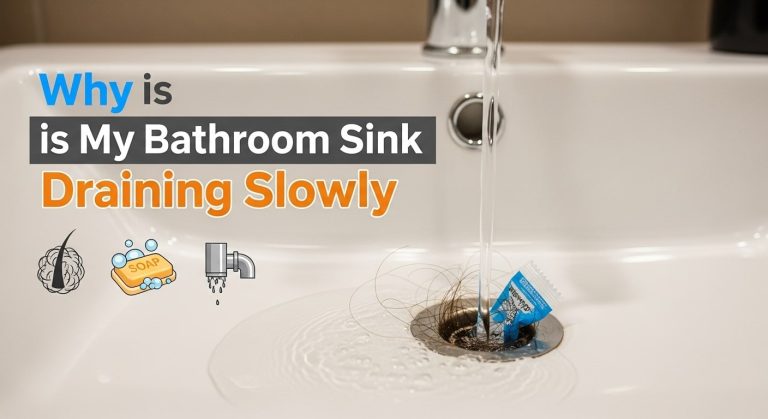
Everyday items like food scraps, hair, and soap can build up in your P-trap. You might not realize how quickly these materials accumulate until you notice water draining slowly. It’s easy to overlook the importance of regular maintenance in your busy life. Yet, a simple cleaning routine can make all the difference.
Have you ever cleaned your P-trap? If not, it might be time to roll up your sleeves and check for blockages. A quick inspection can prevent a minor nuisance from turning into a major plumbing issue.
Mineral Deposits
Hard water is another silent offender that can clog your P-trap. Minerals like calcium and magnesium can build up over time, narrowing the passage and reducing water flow. If you live in an area with hard water, this might be a familiar problem.
Consider installing a water softener to minimize mineral deposits. This small investment can save you from frequent plumbing headaches and help extend the life of your pipes. How often do you think about the water quality in your home? It might be worth paying attention.
Addressing these common causes of a clogged P-trap can keep your double sink running smoothly. Regular maintenance and understanding the nature of debris and mineral deposits are key. So, next time you face a blockage, you’ll know exactly where to look.
Issues With Garbage Disposal
When your double sink backs up, one of the usual suspects is the garbage disposal. This essential kitchen appliance can sometimes be a source of frustration if not properly used or maintained. Understanding the common issues with garbage disposals can save you from a messy sink situation.
Improper Use
Garbage disposals are not magical machines that can handle everything you throw at them. Certain items like coffee grounds, eggshells, and fibrous vegetables can clog your disposal, leading to a backup. If you’ve ever faced a double sink overflow, you might recall the panic when you realized you had dumped the wrong waste down the drain.
Think about how you use your garbage disposal. Are you treating it like a trash can? Your disposal is meant for small food scraps, not large quantities or hard-to-process items. Next time, try to be mindful of what you’re putting in there. Your sink will thank you.
Mechanical Failure
A garbage disposal can suffer from wear and tear over time. Mechanical failure is another common cause of sink backup. You might notice odd noises or a lack of grinding power, indicating a problem.
If you’ve experienced this, you know how inconvenient it can be. Regular maintenance, like cleaning and checking for blockages, can prevent these issues. Is your disposal humming but not spinning? It might be time to inspect or replace it.
Consider the age of your garbage disposal. If it’s over a decade old, it might be worth investing in a new, more efficient model. Keeping your disposal in good condition can ensure a smoother kitchen experience.
Vent Pipe Blockage
Experiencing a double sink backup can be quite frustrating, especially when you’re trying to maintain a clean and efficient kitchen. One common culprit behind this inconvenience is a vent pipe blockage. The vent pipe plays a crucial role in ensuring proper drainage by allowing air to circulate, thus preventing vacuum formation and allowing water to flow smoothly. When this pipe is blocked, it disrupts the balance, causing water to back up in your sinks. Let’s dive into some unexpected causes of vent pipe blockages that might be lurking right above your head.
Bird Nests
Birds are wonderful creatures, but they can unwittingly cause trouble for your plumbing. Birds often seek shelter in vent pipes, especially during nesting season. Their nests can completely block airflow, leading to drainage issues. Have you ever considered checking your roof for bird activity? A simple inspection might reveal an avian apartment complex that needs eviction.
Leaves And Debris
Nature has its way of sneaking into every nook and cranny, including your vent pipes. Wind, rain, and even squirrels can deposit leaves and debris into these pipes. Over time, this accumulation can become a significant blockage. Imagine the last time you raked leaves—did you ever think they could be affecting your plumbing? Regularly clearing your roof of fallen leaves can save you from unexpected sink backups.
Main Sewer Line Problems
Double sink backups often point to main sewer line problems. These issues disrupt the normal flow of water. They can cause blockages that affect your entire plumbing system. Understanding these problems helps in finding effective solutions.
Tree Root Intrusion
Tree roots naturally seek moisture and nutrients. Sewer lines provide both. Roots can find tiny cracks in pipes. They grow into these cracks, causing blockages. As roots expand, they restrict water flow. This leads to backups in your double sink.
Signs of root intrusion include slow drains and gurgling sounds. Regular inspection helps in early detection. Professional plumbers can use cameras to check for root growth. Preventive measures might include root barriers or regular root cutting.
Old Pipes
Old pipes are more prone to wear and tear. Over time, they corrode and weaken. This can lead to cracks and breaks in the sewer line. Such issues cause frequent backups in sinks. Older homes are often at risk due to outdated plumbing systems.
Signs of old pipe issues include frequent clogs and leaks. Replacing old pipes with newer materials can prevent problems. Regular maintenance extends the life of your sewer system. Consult a plumbing expert for a thorough inspection. This ensures your system runs smoothly.
Signs Of Backup
Clogged drains often cause a double sink to back up. Food particles and grease can block pipes. Misaligned garbage disposals also lead to water drainage issues.
A double sink backing up is a common household issue that can disrupt your daily routine. Recognizing the signs of a backup early can help you address the problem before it worsens. Let’s dive into some of the clear indicators that your double sink might be in trouble.Slow Drainage
When you notice water taking longer than usual to disappear down the drain, it’s a red flag. This sluggish drainage often points to a partial blockage forming in your pipes. Imagine rinsing vegetables and watching the water pool instead of flowing smoothly. It’s a signal that something is amiss. Regularly cleaning the sink strainer and disposing of food waste properly can prevent this issue.Unpleasant Odors
Do you catch a whiff of something foul lingering around your sink? This unpleasant odor is a telltale sign of a backup. Food particles and grease stuck in the pipes can start to decompose, releasing an odor that you can’t ignore. Regularly flushing your drains with hot water and baking soda can help keep these smells at bay. Have you ever experienced these signs in your kitchen? Addressing them promptly can save you from more significant plumbing headaches down the road.Prevention Tips
Food scraps and grease can cause double sinks to back up. Regularly clean drains and use strainers to catch debris. Avoid pouring oil down the sink to maintain clear pipes.
Prevention Tips A double sink backup can disrupt daily routines. Preventing backups requires regular care and smart habits. These tips help keep your sink running smoothly.Regular Maintenance
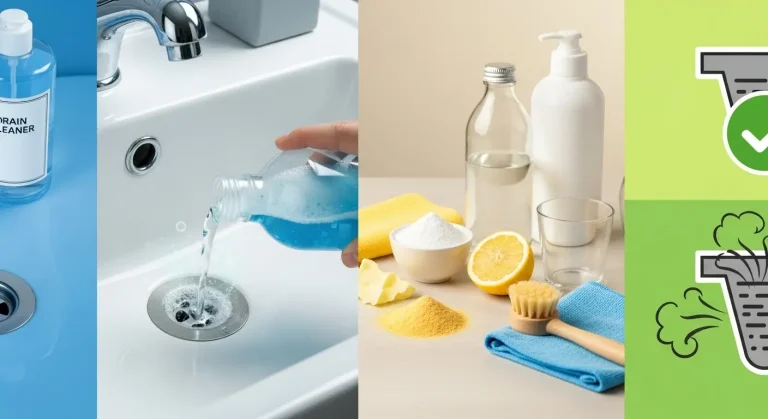
Regular maintenance is key to preventing sink backups. Inspect drains monthly for debris. Clean the pipes with baking soda and vinegar. This natural solution breaks down minor clogs. Use a plunger for stubborn blockages. Keep sink strainers clean. They catch food scraps and prevent clogs.Proper Disposal Practices
Proper disposal practices protect your pipes. Avoid pouring grease down the sink. It hardens and blocks the pipes. Dispose of coffee grounds in the trash. They clump together in drains. Use hot water to flush down small food particles. Teach children what not to put in the sink. Stick to these habits for a healthy plumbing system.Frequently Asked Questions
Why Does My Double Sink Keep Backing Up?
A double sink can back up due to clogs in the pipes, improper disposal of food waste, or grease buildup. These issues can obstruct water flow. Regular maintenance and proper waste disposal can help prevent these problems and keep your sink functioning smoothly.
How Do I Unclog A Double Sink?
To unclog a double sink, use a plunger or a plumber’s snake to clear the blockage. Alternatively, try pouring boiling water mixed with baking soda and vinegar down the drain. These methods can break down stubborn clogs and restore proper drainage.
Can Grease Cause Sink Backups?
Yes, grease can solidify in pipes, leading to sink backups. When poured down the drain, grease can coat the pipes and accumulate over time. To prevent this, dispose of grease in a separate container and clean your sink regularly.
Does Garbage Disposal Affect Sink Backups?
Garbage disposals can contribute to sink backups if misused. Overloading the disposal or putting non-food items can cause clogs. Ensure proper use by grinding food waste thoroughly and running water while using the disposal to prevent blockages.
Conclusion
Understanding why a double sink backs up can prevent future issues. Regular cleaning helps keep the pipes clear. Avoid putting food waste down the sink. Use strainers to catch debris. Check for clogs in the drain pipes. Be mindful of what you pour down the drains.
Maintenance is key. Inspect pipes for leaks or blockages often. Seek professional help for persistent problems. A well-maintained sink functions smoothly. Keep your kitchen running efficiently. Remember, prevention saves time and money. A little care goes a long way. Enjoy a hassle-free kitchen experience.

Home Improvement Expert & Senior Writer at HomeFixio
Reed Atwood is a seasoned home improvement expert with a passion for transforming everyday living spaces into functional and stylish havens. With years of experience in DIY projects, renovations, and home upgrades, Reed brings a wealth of knowledge to HomeFixio. As a senior writer, he provides readers with practical, easy-to-follow guides, expert tips, and innovative solutions for every room in the house. His goal is to empower homeowners to tackle their projects with confidence, ensuring both quality results and a rewarding experience.