
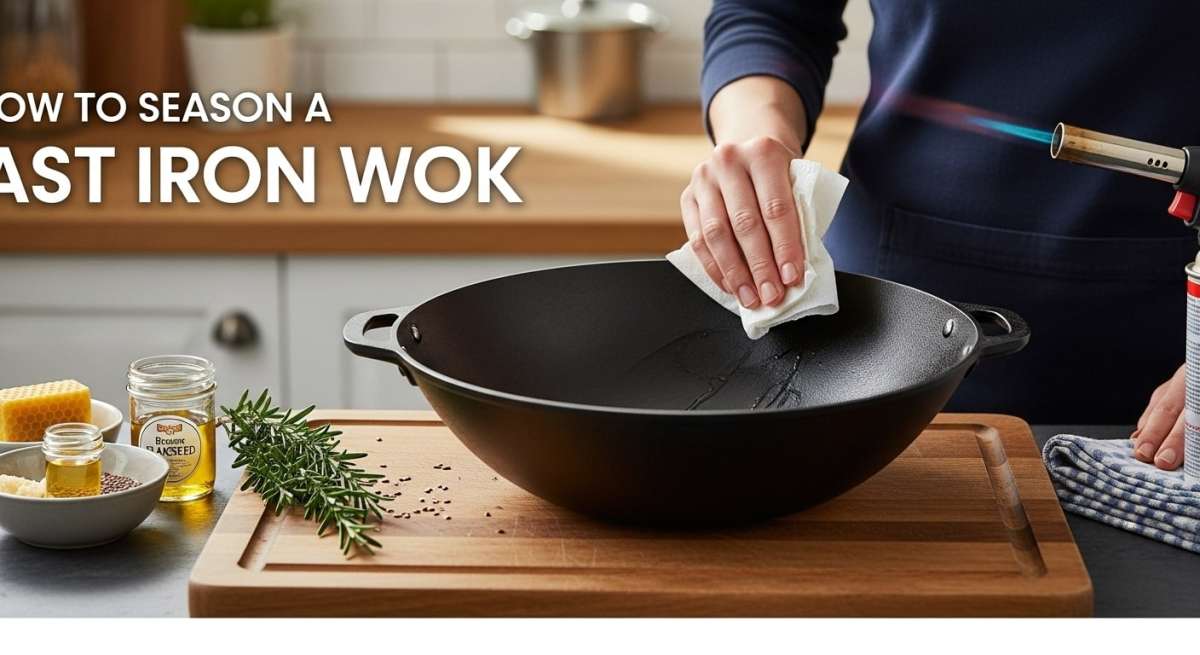
How to Season a Cast Iron Wok: Expert Tips Revealed
Imagine the sizzle of perfectly cooked stir-fry in your kitchen, or the aroma of spices coming together in a flawless blend. If you own a cast iron wok, you already have the key to achieving these culinary delights.
But there’s a secret to unlocking its full potential: proper seasoning. Without it, your wok might struggle, sticking to food or rusting over time. That’s where you come in. By learning how to season your cast iron wok, you ensure every dish you make is infused with rich flavors and cooked evenly.
You might be wondering how to get started, and whether it’s worth the effort. Don’t worry—this guide is here to help you transform your wok into a kitchen powerhouse. Once you understand the simple steps to seasoning, you’ll never look back. Ready to make your wok the star of your kitchen? Let’s dive in!
Choosing The Right Cast Iron Wok
Seasoning a cast iron wok ensures a non-stick surface and prevents rust. Start by cleaning the wok thoroughly. Apply a thin layer of oil, then heat it until the oil smokes. Let it cool and repeat the process for a smooth finish.
Proper seasoning enhances the wok’s performance in cooking delicious meals.
Choosing the right cast iron wok is the first step to mastering the art of seasoning and cooking with this versatile kitchen tool. A well-chosen wok can last for generations, enhance your cooking experience, and even inspire a newfound love for stir-frying. But with so many options on the market, how do you know which one is right for you? Let’s dive into some key factors that will guide you in making the best choice.
Understanding Different Sizes
Size matters when it comes to selecting a cast iron wok. A 12-inch wok is great for small families or individuals who love to whip up quick meals. Larger families or those who entertain often might prefer a 14-inch wok to handle bigger portions. Consider your stove space and storage as well; a larger wok requires more room.
Weighing The Weight
Cast iron is known for its heft, which can be both an advantage and a challenge. A heavier wok retains heat better, providing even cooking and delicious sears. However, it can be cumbersome to move around, especially when full. If you prefer something more manageable, look for a mid-weight option that balances performance and ease of use.
Evaluating Handle Types
Handles play a crucial role in the usability of your wok. Traditional woks have a single long handle, making them easy to flip and toss ingredients. Others come with two small loop handles, which are great for transferring the wok from stovetop to table. Think about your cooking style and how you plan to maneuver the wok as you cook.
Examining Pre-seasoned Vs. Unseasoned
Some woks come pre-seasoned, which means they have a protective layer of oil baked into the surface. This can be a great time-saver for those new to using cast iron. However, seasoning your wok from scratch allows you to develop a deeper, more personalized non-stick layer over time. Decide if you want to dive straight into cooking or enjoy the process of seasoning your wok yourself.
Thinking About Price And Quality
Quality should always be a priority, but it doesn’t have to break the bank. You can find high-quality cast iron woks at various price points. Look for trusted brands with good reviews from other home cooks. Investing in a reliable wok can make a big difference in your cooking adventures. Choosing the right cast iron wok is an exciting step towards elevating your culinary skills. What features are most important to you in a wok? Understanding your needs and preferences will help you pick the perfect one for your kitchen.
Initial Cleaning Process
The initial cleaning of your cast iron wok is crucial. It prepares the wok for seasoning. This process removes any factory coatings or residues. A clean wok ensures a better seasoning layer.
Step 1: Wash With Warm Water
Start by rinsing the wok with warm water. This helps remove dust and loose debris. Use your hands to gently scrub the surface.
Step 2: Apply A Mild Soap
Take a small amount of mild dish soap. Gently scrub the wok using a soft sponge. Avoid harsh scrubbing pads that may scratch.
Step 3: Rinse Thoroughly
Rinse the wok again under warm running water. Ensure all soap residues are completely removed. A clean surface is essential for proper seasoning.
Step 4: Dry Completely
Use a clean cloth or paper towel to dry the wok. Ensure no moisture remains. Moisture can cause rust on cast iron.
Step 5: Heat To Remove Remaining Moisture
Place the wok on a stove over medium heat. Let it warm up for a few minutes. This helps evaporate any hidden moisture.
Tools And Materials Needed
Gather essential tools like a soft cloth, vegetable oil, and a stove. Choose materials such as a cast iron wok and a brush. Ensure a well-ventilated area for seasoning.
Seasoning a cast iron wok is an essential step to ensure its longevity and enhance its performance. It’s like giving your wok a protective armor, helping it resist rust and develop a natural non-stick surface. But before you dive into seasoning, you need to gather the right tools and materials. Having everything at hand will make the process smoother and more efficient.
Gathering The Right Tools
Start by collecting the basic tools you’ll need. A good brush or scrubbing pad is crucial for cleaning your wok before seasoning. You’ll want something that can scrub off any factory residue without scratching the surface. Think of it as the preparation before painting a canvas. A soft cloth or paper towels are also necessary. They will be used for applying oil and wiping off excess. Using an old cloth can save you from the trouble of staining your favorite towels.
Essential Materials
Oil is the heart of seasoning. Choose oils with high smoke points like vegetable oil or grapeseed oil. They can withstand the high temperatures required for seasoning and help create a smooth surface. A reliable heat source is vital. Whether you prefer using an oven or stovetop, ensure it can reach the necessary temperature for effective seasoning. If you’re like me, you might find using the oven more convenient for an even coating.
Safety Precautions
Handling a hot wok can be tricky. Make sure you have oven mitts or heat-resistant gloves. They protect your hands from burns and make the process safer. Ventilation is another key aspect. Seasoning can produce smoke, so ensure your kitchen is well-ventilated. Opening windows or using an exhaust fan can prevent your smoke detector from ringing incessantly.
Final Checklist
Before you start, double-check your items. Is everything within reach? Doing so can save you from last-minute scrambles and interruptions. It’s a simple step but can make the experience more enjoyable.
Are You Ready?
With these tools and materials, you’re all set to transform your wok. Does having everything at hand make you feel more prepared? Seasoning your cast iron wok might seem daunting at first, but with the right setup, it can become a rewarding ritual. Don’t forget to enjoy the process; it’s part of the journey to delicious meals.
Selecting The Best Oil For Seasoning
Choosing the right oil is crucial for seasoning a cast iron wok. Opt for oils with high smoke points like canola or grapeseed. These oils create a durable, non-stick surface, enhancing your cooking experience. Proper seasoning not only protects the wok but also improves its performance over time.
Seasoning a cast iron wok is an essential step that ensures its longevity and enhances its cooking performance. One key element in this process is selecting the best oil for seasoning. Choosing the right oil can make a world of difference, not just in how well your wok seasons, but also in the flavors it imparts to your dishes. You might find yourself wondering, “Which oil should I use for the best results?” Let’s delve into this critical aspect with some practical insights.
Understanding The Role Of Oil In Seasoning
Oil forms a protective layer on your wok that prevents rust and creates a non-stick surface. This layer is crucial for maintaining the quality of your wok. Not all oils are created equal, and some will perform better than others. It’s essential to understand how oil interacts with the metal surface during seasoning.
Characteristics Of The Best Oils For Seasoning
When choosing oil, consider its smoke point. An oil with a high smoke point can withstand the heat required for seasoning. This prevents the oil from burning and ensures a smooth finish. Neutral oils, like canola or grapeseed, are often preferred. They don’t have a strong flavor, which means they won’t alter the taste of your dishes.
Popular Choices: Which Oil Is Right For You?
Many people swear by flaxseed oil for its high smoke point and ability to create a durable layer. However, it can be more expensive than other options. Vegetable oil is a budget-friendly choice. It’s readily available and provides decent results for everyday cooking. If you prefer an oil that adds a hint of flavor, sesame oil could be your go-to. It adds a subtle aroma that can enhance Asian-inspired dishes.
Experimenting With Oils: Finding Your Favorite
Try different oils to see which one suits your cooking style and taste preferences. You might discover that a combination of oils gives the best results. Consider how you use your wok. If you frequently cook at high temperatures, prioritize oils with high smoke points.
Personal Experience: A Surprising Discovery
I once tried olive oil, thinking it would add a rich flavor. To my surprise, it left a sticky residue. Through trial and error, I found grapeseed oil worked wonderfully, leaving a smooth finish and no aftertaste. Your journey might lead to unexpected favorites. Don’t be afraid to explore and learn what works best for your culinary adventures.
Final Thoughts: Choosing Your Oil
Selecting the right oil is not just about technical details; it’s about enhancing your cooking experience. Which oil resonates with you and your cooking style? As you season your wok, remember that the oil you choose contributes to its performance and the flavors of your dishes. Choose wisely, and enjoy the process of creating delicious meals.
Step-by-step Seasoning Guide
Seasoning a cast iron wok is essential to enhance its non-stick properties and extend its lifespan. A well-seasoned wok can transform your cooking experience, making stir-fries glide effortlessly and adding rich flavors to your dishes. Whether you are new to cast iron cookware or looking to refine your technique, this step-by-step seasoning guide will walk you through the process with clear and practical instructions.
Preheating The Wok
Begin by thoroughly cleaning your wok with warm water and a mild detergent. Dry it completely to prevent rust. Preheat your oven to 350°F (175°C). Place the wok inside the oven for 10-15 minutes to open its pores, allowing the oil to seep in better. This step ensures the wok is primed for seasoning.
Applying The Oil
Once preheated, remove the wok carefully using oven mitts. Apply a thin layer of vegetable oil or flaxseed oil using a paper towel. Cover the entire surface, including the exterior. Ensure no pools of oil remain. This thin layer acts as a protective barrier and initiates the seasoning process.
Heating And Cooling Process
Return the oiled wok to the oven upside down. This prevents oil from pooling inside. Bake for one hour, allowing the oil to polymerize and create a durable coating. Turn off the oven and let the wok cool inside slowly. This gradual cooling strengthens the seasoning layer, making it more resilient.
Repeating For Optimal Results
Is one round of seasoning enough? Many experts suggest repeating the process 2-3 times for optimal results. Each additional layer reinforces the seasoning, creating a smoother and longer-lasting surface. Consider it an investment in your culinary toolkit. How do you know when your wok is perfectly seasoned? Test it with a fried egg; if it slides effortlessly, you’ve achieved the ideal seasoning.
Seasoning a cast iron wok may seem daunting initially, but it’s a rewarding ritual that pays off in your daily cooking. Have you seasoned your wok yet? Share your experiences or any tips you might have in the comments below!
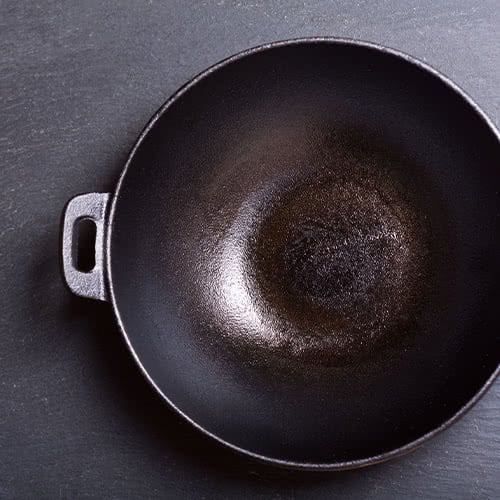
Credit: www.webstaurantstore.com
Maintaining A Seasoned Wok
Seasoning a cast iron wok involves coating it with oil and heating until it forms a protective layer. This process prevents rust and enhances the wok’s cooking performance. Regular maintenance ensures the wok remains non-stick and durable, making it ideal for stir-frying and other culinary tasks.
Maintaining a seasoned wok is crucial for any cooking enthusiast who loves the unique flavor and cooking efficiency that a well-seasoned cast iron wok offers. A properly maintained wok not only enhances the taste of your dishes but also makes cleaning a breeze. The key lies in regular care and simple routines that can extend the lifespan of your wok, making it a staple in your kitchen for years to come.
Cleaning After Use
After cooking, allow your wok to cool down slightly before cleaning. Avoid using soap, as it can strip away the seasoning you’ve worked hard to build. Instead, use hot water and a soft sponge to gently scrub away any food particles. For stubborn bits, a tablespoon of salt and a paper towel can work wonders. Scrub gently, rinse with warm water, and dry thoroughly. Remember, moisture is your wok’s enemy.
Storing Properly
Once your wok is clean and dry, store it in a dry place. If you stack other cookware on top, place a paper towel inside the wok to absorb any moisture and protect the surface. Consider hanging it up if you have the space, which not only keeps it dry but also showcases your treasured kitchen tool. Before storing, apply a thin layer of oil using a paper towel. This thin coat acts as a protective barrier against rust. Have you ever considered how a simple routine can protect your investment? These small steps ensure your wok remains in top shape, ready to deliver delicious meals with every use. Treat your wok like a cherished kitchen companion, and it will serve you well for many meals to come.
Common Mistakes To Avoid
Avoid using soap on your cast iron wok. It can strip away the seasoning. Never leave it wet; moisture causes rust. Always dry thoroughly after washing. Use a thin layer of oil when storing to protect it. Avoid high heat initially.
Gradually build the seasoning.
Seasoning a cast iron wok is essential for enhancing its performance and longevity. However, even the most seasoned cooks can stumble upon a few common pitfalls. Avoiding these mistakes will ensure that your wok remains a kitchen staple for years to come. Let’s dive into what you should steer clear of when seasoning your cast iron wok.
1. Using The Wrong Oil
Choosing the right oil is crucial. Avoid using butter or unrefined oils like extra virgin olive oil. These oils have low smoke points and can create a sticky residue. Instead, opt for oils with high smoke points like grapeseed, canola, or flaxseed oil.
2. Skipping The Cleaning Step
Before seasoning, it’s vital to thoroughly clean your wok. Neglecting this step can trap food particles and moisture beneath the seasoning layer. Use warm water and a gentle scrub to remove factory wax or residue. Dry it completely to avoid rust.
3. Applying Too Much Oil
It’s a common misconception that more oil equals better seasoning. But too much oil leads to a sticky surface. Apply a thin, even layer of oil to avoid this mistake. Wipe away excess with a paper towel until the surface appears dry.
4. Not Heating The Wok Properly
Proper heating is key to a successful seasoning process. Some might rush this step, leading to uneven seasoning. Preheat your oven and place the wok upside down for even heat distribution. This will help the oil bond to the metal surface uniformly.
5. Forgetting To Ventilate
Seasoning can produce smoke. Failing to ventilate your kitchen can lead to an unpleasant experience. Open windows or turn on fans to keep the air fresh and avoid triggering smoke alarms.
6. Ignoring Regular Maintenance
Seasoning isn’t a one-time task. Overlooking regular maintenance can degrade your wok’s non-stick quality. After each use, clean your wok with warm water, dry it, and apply a light coat of oil. This habit will maintain the seasoning and prevent rust. Reflect on your own kitchen habits. Have you been making any of these mistakes? Embrace these insights, and your cast iron wok will reward you with years of reliable service.

Credit: www.youtube.com
Benefits Of A Well-seasoned Wok
A well-seasoned wok enhances flavor and ensures non-stick cooking. Seasoning a cast iron wok creates a natural, protective coating. This helps in even heat distribution and makes cleaning easier.
When you season a cast iron wok, you transform it into a versatile kitchen tool that enhances every dish you cook. A well-seasoned wok offers numerous benefits, from improved flavor to easier cleaning. Imagine cooking your favorite stir-fry and tasting an even richer flavor profile. That’s the magic of a well-seasoned wok.
Enhanced Flavor
A seasoned wok acts like a natural non-stick surface, allowing you to cook with less oil. This means your dishes retain their authentic flavors without unnecessary grease. Have you noticed how some dishes taste better in a seasoned pan? The layer of seasoning absorbs and imparts flavors, creating a unique culinary experience.
Improved Cooking Efficiency
A well-seasoned wok heats evenly, reducing the chance of burning. This efficiency is perfect for quick cooking methods like stir-frying. You might find yourself enjoying cooking more, as the consistent heat distribution leads to perfectly cooked meals. Isn’t it satisfying to see your vegetables crispy and your meats juicy?
Easy Cleaning
Cleaning a seasoned wok is surprisingly simple. The smooth surface repels food particles, meaning less scrubbing for you. Have you ever spent too much time trying to clean a stubborn pan? With a seasoned wok, you’ll spend more time enjoying your meal and less time cleaning up.
Longevity And Durability
Properly seasoned cast iron lasts a lifetime, becoming a kitchen heirloom. It’s not uncommon for families to pass down their woks through generations. Picture your wok, seasoned to perfection, serving delicious meals to your loved ones year after year. How many kitchen tools can promise that?
Healthier Cooking
Cooking with less oil not only enhances flavors but also offers a healthier option. You can enjoy traditional dishes with reduced fat content, without sacrificing taste. Consider this a small change with a big impact on your health. Wouldn’t it be nice to cook delicious meals that are also good for you? In your kitchen, a well-seasoned cast iron wok isn’t just a tool—it’s an asset. Take the time to season your wok and enjoy the multitude of benefits it brings. What will you cook next to experience the difference?

Credit: www.youtube.com
Frequently Asked Questions
How Do I Start Seasoning A Cast Iron Wok?
To start seasoning, wash your wok with warm water and mild soap. Dry it thoroughly. Apply a thin layer of vegetable oil. Heat the wok on medium-high until it smokes. Let it cool, then repeat the oil application and heating process two more times for best results.
What Oil Is Best For Seasoning A Wok?
Use oils with a high smoke point like vegetable, canola, or grapeseed oil. These oils create a durable, non-stick coating. Avoid using olive oil or butter, as they have low smoke points and may not effectively season your wok.
How Often Should I Season My Cast Iron Wok?
Season your wok after every use for the first few weeks. This helps build a strong, non-stick surface. Once the seasoning is well-established, you can season it once a month or as needed, depending on usage.
Can I Use Soap On A Seasoned Wok?
Yes, but use mild soap and warm water sparingly. Avoid harsh detergents or scrubbing pads, as they can strip the seasoning. After washing, dry the wok immediately and apply a light coat of oil to maintain its seasoning.
Conclusion
Seasoning your cast iron wok brings out its best features. A well-seasoned wok enhances cooking performance. It prevents food from sticking. It adds a unique flavor to your dishes. Regular maintenance keeps your wok in top shape. Just clean it gently after each use.
Store it dry to avoid rust. These simple steps ensure your wok lasts. Enjoy cooking with your wok for years to come. A little care goes a long way. Happy cooking!

Home Improvement Expert & Senior Writer at HomeFixio
Eliot Granger is a seasoned home improvement expert with years of experience transforming living spaces. Specializing in everything from kitchen renovations to bathroom upgrades, Eliot shares his knowledge through practical, insightful articles. His passion for creating functional, beautiful homes drives him to offer expert tips and solutions for every corner of your house. As a trusted writer for HomeFixio, Eliot is dedicated to helping homeowners make informed decisions and achieve precision in their projects.


