How to Clean Cast Iron Wok: Expert Tips & Tricks
Have you ever found yourself staring at your cast iron wok, wondering if you’re truly caring for it the right way? You’re not alone.
Your trusty wok is more than just a cooking tool; it’s the secret weapon for perfect stir-fries and sizzling dishes. But, to keep it performing at its best, cleaning it properly is crucial. Imagine this: every time you cook, you’re savoring flavors that are perfectly preserved because you know the secrets to maintaining your wok.
Are you ready to unlock the potential of your cast iron wok and ensure it lasts for generations? Dive into this guide, and learn how a simple cleaning routine can transform your cooking experience.
Essentials Of Cast Iron Care
Cast iron woks are kitchen treasures. They offer unmatched heat retention and durability. Proper care ensures their longevity and performance. Understanding the essentials of cast iron care is crucial. This knowledge helps maintain the wok’s quality and functionality. Let’s dive into the key aspects of caring for your cast iron wok.
Seasoning Your Cast Iron Wok
Seasoning creates a natural, non-stick surface. It prevents food from sticking during cooking. Start by applying a thin layer of vegetable oil. Heat the wok on medium heat for 20 minutes. This process helps the oil bond with the iron. Repeat this step after each wash to maintain the seasoning.
Cleaning Without Soap
Avoid soap when cleaning your cast iron wok. Soap can strip away the seasoning. Use hot water and a soft brush instead. Gently scrub the wok to remove food particles. For stubborn residue, boil water in the wok. This loosens stuck-on food.
Thoroughly dry your wok after washing. Moisture leads to rust. Use a towel or heat it on the stove. Store the wok in a dry place. A dry wok lasts longer and performs better.
Rust can form if the wok stays wet. Remove rust with a gentle scrubber. Re-season the wok after rust removal. This restores its protective layer. Regular maintenance prevents rust from returning.
Regular Maintenance Tips
Check the seasoning regularly. Reapply oil if needed. Avoid cooking acidic foods. They can damage the seasoning. Handle the wok with care. This prevents scratches and dents. Proper care ensures your cast iron wok lasts a lifetime.
Preparing The Wok For Cleaning
Start by removing food particles from the cast iron wok. Use a spatula to scrape off any stuck-on bits. Rinse the wok with warm water to loosen grime before cleaning it thoroughly.
Cleaning a cast iron wok can seem intimidating, but with the right preparation, it becomes a straightforward task. Proper preparation ensures that your wok is cleaned effectively and maintains its quality over time. Whether you’re an avid home cook or just starting your culinary journey, understanding how to prepare your wok for cleaning is crucial. Let’s dive into the essential steps you need to know.Cooling Down Safely
After cooking a delicious stir-fry, resist the urge to immediately clean the wok. Allow it to cool down safely before handling. This prevents burns and protects the wok from thermal shock, which can cause damage. Once the wok is no longer piping hot, it’s ready for a gentle cleaning. You might be tempted to rush, especially with guests waiting. But patience ensures your safety and the longevity of your wok. Have you ever touched a hot pan in haste? It’s a lesson that teaches us to respect our kitchen tools. Allowing your wok to cool properly is a small step that pays off big.Removing Food Residue
Start by wiping away any leftover food residue with a paper towel or a soft cloth. This initial step makes the cleaning process much easier. You don’t want food particles to stick around and become stubborn stains. Sometimes, food residue can be stubborn. For sticky bits, use a plastic scraper gently. This avoids scratching the wok’s surface. Remember, a little elbow grease is all you need. Does your wok have those bits that refuse to budge? Consider soaking the wok in warm water for a few minutes. This softens the residue, making it easier to remove without harsh scrubbing. Cleaning your wok properly is not just about maintaining its appearance. It’s about preserving the taste and quality of your future meals. So, how will you tackle your wok cleaning next time?Cleaning Techniques
Cleaning cast iron woks involves gentle scrubbing with a brush and warm water. Dry immediately with a towel to prevent rust. Apply a thin layer of oil to maintain the seasoning and store in a dry place.
Cleaning a cast iron wok requires a delicate balance between preserving its seasoning and removing food residue. Many people fear damaging their wok by using the wrong cleaning techniques. However, with the right methods, you can maintain its non-stick surface and extend its lifespan. Let’s dive into some effective cleaning techniques that will keep your wok in perfect condition.Using Hot Water
Hot water is your best friend when cleaning a cast iron wok. After cooking, allow the wok to cool slightly, then rinse it with hot water. The heat loosens food particles and helps in cleaning without removing the seasoning. Swirl the hot water around the wok, using a gentle motion to dislodge any stuck bits. If you’ve ever seen how quickly hot water can lift grease from a plate, you’ll appreciate this technique. Ensure the water is not too hot to handle. Have you tried this method before?Avoiding Soap And Detergents
Soap can strip the seasoning from your wok, leaving it vulnerable to rust. It’s tempting to use soap for that squeaky-clean feeling, but it’s not necessary for cast iron. The oil buildup is part of the wok’s charm and functionality. Instead, rely on hot water and scrubbing to do the job. If the thought of skipping soap makes you uneasy, remember that your wok’s seasoning is what provides its non-stick capabilities. Do you trust the process?Scrubbing With Natural Brushes
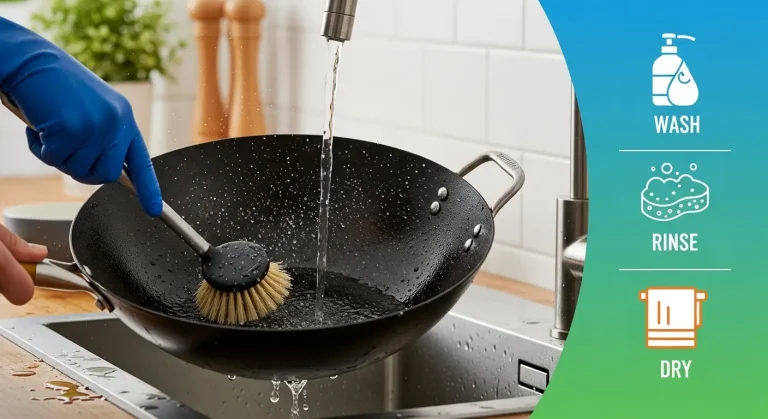
Choose natural brushes like bamboo or coconut husk for scrubbing your wok. These are gentle yet effective, ensuring you don’t damage the surface. The texture of these brushes is perfect for lifting stubborn food particles. Avoid metal scrubbers, as they can scratch the surface. Have you ever noticed how a simple change in tools can make a big difference? Scrubbing in a circular motion can clean without compromising the wok’s integrity. By adopting these cleaning techniques, you’re not just maintaining your wok; you’re honoring the craft of cooking with cast iron. How do you care for your culinary tools?
Credit: www.facebook.com
Drying And Storing Your Wok
Your cast iron wok is a versatile kitchen tool, perfect for stir-frying, sautéing, and more. However, once you’ve used and cleaned it, proper drying and storing is crucial to maintain its quality. Neglecting these steps could lead to rust, which nobody wants! Let’s dive into how you can effectively dry and store your wok, ensuring it lasts for years and stays in top condition.
Towel Drying
After washing your wok, grab a clean, absorbent towel. Wipe the wok thoroughly to remove any moisture. Pay special attention to the edges and the handle. A few extra seconds of towel drying can save you from rust spots later. A friend once forgot this step and found rust creeping in overnight. It’s a simple yet vital step.
Oven Drying Method
If you’re in a hurry or want to ensure all moisture is gone, consider oven drying. Preheat your oven to 200°F (about 93°C). Place your towel-dried wok inside for 10-15 minutes. This method evaporates leftover moisture and adds a light layer of seasoning to the wok. Ever tried this method? It’s surprising how effective it is.
Proper Storage Tips
Store your wok in a dry place. Avoid stacking other pans on top, which can scratch its surface. Hanging it is a great option, if possible. You might wonder, does it really matter? Absolutely! Proper storage keeps your wok ready for its next culinary adventure. Keep it away from humidity and direct sunlight to preserve its seasoning.
So, what are your thoughts? Have you been drying and storing your wok correctly? If not, it might be time to make some changes. These small adjustments can make a huge difference in the lifespan and performance of your cast iron wok. Happy cooking!
Seasoning The Cast Iron Wok
Seasoning your cast iron wok is like giving it a protective shield, ensuring it lasts longer and cooks better. If you’ve ever had food stick to your wok or noticed rust forming, it’s time to learn the art of seasoning. This simple yet crucial process helps create a non-stick surface, enhancing the flavors of your dishes. Let’s delve into how you can season your cast iron wok with ease and precision.
Choosing The Right Oil
The oil you select can make or break your seasoning process. Opt for oils with a high smoke point such as flaxseed, grapeseed, or vegetable oil. These oils create a solid layer over the cast iron, perfect for cooking.
Why not experiment with different oils to find the flavor and finish you love most? Remember, a well-chosen oil is your ally in achieving a durable non-stick surface.
Heating Techniques
Heating your wok is a vital step in seasoning. Start by applying a thin layer of oil, ensuring it covers the entire surface. Next, heat your wok on the stove over medium heat until it begins to smoke.
Don’t rush this process. The goal is to bond the oil to the iron, creating that desired protective coating. Have you ever noticed the golden color of a perfectly seasoned wok? That’s the magic of correct heating.
Maintaining The Seasoning
Your wok’s seasoning needs regular care. After each use, clean it with hot water and a soft brush, avoiding harsh detergents. This preserves the seasoning layer.
Consider reapplying oil occasionally to keep it well-seasoned. Have you thought about how a little care can extend the life of your wok, making it your favorite kitchen companion?
Remember, seasoning is not a one-time event. It’s a continuous journey that enhances your cooking experience. Embrace the process and watch your cast iron wok transform into a kitchen essential.
Dealing With Rust
Remove rust from your cast iron wok by scrubbing it gently with a soft brush and warm water. Dry it completely to prevent more rust. Season the wok with a thin layer of oil to protect it for future use.
Dealing with rust on your cast iron wok can be a daunting task. Yet, with a few simple steps, you can restore its natural beauty and functionality. Rust is a common issue that can arise from improper cleaning or storage. Let’s dive into how you can effectively tackle rust and maintain your cast iron wok in pristine condition.Identifying Rust Spots
First, you need to find the rusty areas on your wok. These spots often appear as reddish-brown patches on the surface. They can be easy to miss if you’re not looking closely. Gently run your fingers over the wok’s surface. You’ll feel a rough texture where rust is present. Identifying these spots accurately is crucial for effective rust removal.Removing Rust Effectively
Once you’ve spotted the rust, it’s time to get rid of it. Start by scrubbing the affected area with a steel wool pad or a stiff brush. This will help remove the loose rust particles. For stubborn rust, sprinkle some coarse salt on the spot and add a little water. Scrub in a circular motion until the rust is gone. Rinse thoroughly and dry the wok completely after cleaning.Preventive Measures
Prevention is better than cure, especially with rust. Always dry your wok thoroughly after each use to prevent moisture from causing rust. You can even place it on a low flame for a few minutes to ensure it’s completely dry. Consider seasoning your wok regularly. This creates a protective layer against rust. Simply apply a thin layer of vegetable oil after drying, and heat it on the stove for a few minutes. Are you storing your wok correctly? Keep it in a dry place, and avoid stacking it with other kitchenware that might trap moisture. Taking these small steps will help keep your cast iron wok rust-free and ready for your next culinary adventure.Common Mistakes To Avoid
Avoid using soap when cleaning a cast iron wok to preserve its seasoning. Dry it thoroughly to prevent rust.
Cleaning a cast iron wok can be tricky. Many make mistakes. These errors harm the wok’s surface. They reduce its lifespan. Understanding these pitfalls helps keep your wok in top shape. Let’s explore common mistakes to avoid.Overheating
Overheating is a frequent mistake. High heat can damage the wok. It can cause warping. Warping affects cooking performance. Always control the heat. Use medium to low settings. This preserves the wok’s integrity.Using Abrasive Cleaners
Abrasive cleaners harm the wok’s surface. They strip away seasoning. This leads to rust. Avoid steel wool or harsh scrubbers. Use a soft sponge instead. Gentle cleaning keeps the wok seasoned and protected.Ignoring Regular Maintenance
Regular maintenance is key. Many ignore this step. It leads to problems over time. Rinse the wok after each use. Dry it thoroughly. Apply a light oil coat. This prevents rust and keeps it ready for the next meal.
Credit: www.youtube.com
Expert Tips For Longevity
Cleaning a cast iron wok keeps it functional for years. Proper care enhances its durability and cooking quality. Follow these expert tips to ensure your wok remains in top condition.
Routine Maintenance
Wash your wok after each use with hot water. Avoid soap which can strip away seasoning. Scrub gently with a soft brush to remove food particles. Dry it immediately to prevent rust. Apply a light coat of vegetable oil. This maintains its protective layer.
Handling With Care
Avoid sudden temperature changes. They can cause warping or cracking. Never pour cold water into a hot wok. Use wooden or silicone utensils. Metal can scratch the surface. Store it in a dry place. Humidity can promote rust.
Enhancing Flavor With Use
Use your wok often for cooking. Frequent use enhances seasoning and flavor. Cook dishes with oil to maintain its coating. Avoid acidic foods like tomatoes. They can damage the seasoning. Each use adds depth to your dishes.

Credit: www.youtube.com
Frequently Asked Questions
How Do I Remove Rust From A Cast Iron Wok?
To remove rust, scrub the wok with a mixture of salt and water. Use a non-metallic scrubber for best results. Rinse thoroughly and dry completely. Apply a thin layer of oil to prevent future rusting. Regular maintenance and proper storage can keep rust at bay.
Can I Use Soap On My Cast Iron Wok?
Yes, you can use mild soap sparingly on your cast iron wok. Avoid harsh detergents or scrubbing pads that can strip seasoning. Rinse well and dry immediately. Always re-season your wok after washing to maintain its non-stick surface and prevent rust.
How Often Should I Season My Cast Iron Wok?
Season your cast iron wok every few months or as needed. If food starts sticking or the surface looks dull, it’s time to re-season. Regular seasoning helps maintain the non-stick quality and prevents rust. Use vegetable oil or flaxseed oil for best results.
Is It Safe To Cook Acidic Food In Cast Iron?
Cooking acidic foods occasionally is safe, but prolonged exposure can strip seasoning. Limit cooking time with acidic ingredients like tomatoes or vinegar. Always re-season your wok after cooking acidic dishes. This practice helps maintain the wok’s quality and extends its lifespan.
Conclusion
Cleaning a cast iron wok is simple with these steps. First, always cool the wok before cleaning. Scrub with a brush to remove food bits. Rinse thoroughly with warm water. Dry immediately to prevent rust. Apply a thin layer of oil for protection.
This keeps the wok seasoned and ready for use. Regular care extends its life. With practice, cleaning becomes easy. Your wok will stay in top shape. Enjoy cooking with your well-maintained cast iron wok. Keep it clean, and enjoy delicious dishes for years to come.

Home Improvement Expert & Senior Writer at HomeFixio
Eliot Granger is a seasoned home improvement expert with years of experience transforming living spaces. Specializing in everything from kitchen renovations to bathroom upgrades, Eliot shares his knowledge through practical, insightful articles. His passion for creating functional, beautiful homes drives him to offer expert tips and solutions for every corner of your house. As a trusted writer for HomeFixio, Eliot is dedicated to helping homeowners make informed decisions and achieve precision in their projects.