How to Sew an Ottoman Slipcover: Step-by-Step Guide
Are you tired of that old, worn-out ottoman that no longer matches your stylish decor? Imagine transforming it into a stunning centerpiece with just a little fabric and creativity.
Sewing an ottoman slipcover might sound daunting, but it’s easier than you think, and the results are absolutely worth it. Whether you’re a sewing novice or a seasoned pro, this guide will walk you through each step, helping you give your ottoman a new lease on life.
You’ll love how a simple slipcover can add charm and elegance to your living space. Ready to dive in and give your ottoman a fresh new look? Let’s get started!
Materials And Tools
Gather fabric, thread, and a sewing machine. Use scissors, measuring tape, and pins to shape the slipcover. A sewing needle and iron will help finish the project neatly.
Creating a slipcover for your ottoman can transform its look and feel. It’s a simple DIY project that requires specific materials and tools. This guide will walk you through the essentials needed to get started.
Essential Supplies
Gather the necessary supplies before you begin. You will need fabric, thread, scissors, pins, a measuring tape, and a sewing machine. Ensure you have enough thread matching your fabric’s color. Sharp scissors will help you cut fabric precisely. Pins are useful for holding fabric in place while sewing. A good measuring tape ensures accurate dimensions for your slipcover. Lastly, a reliable sewing machine is crucial for stitching the fabric seamlessly.
Choosing Fabric
Selecting the right fabric is important. Consider the ottoman’s usage and style. If the ottoman is used often, choose durable fabrics like cotton or linen. These materials withstand wear and tear. For a more elegant look, opt for velvet or silk. These fabrics add a touch of luxury. Also, think about color and pattern. Neutral tones provide a classic look. Bold patterns can add personality to your space. Always measure the ottoman to ensure the fabric covers it completely.

Credit: ar.pinterest.com
Measuring The Ottoman
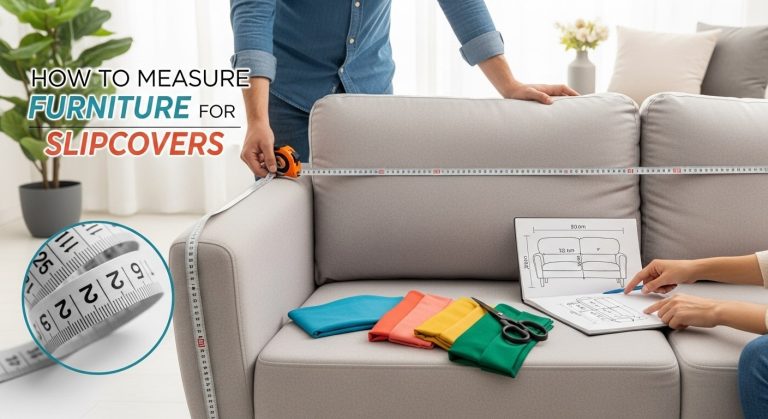
Measuring your ottoman is the first crucial step in crafting a perfect slipcover. Imagine the frustration of sewing a beautiful cover, only to find it doesn’t fit. Precision is key here. Taking accurate measurements ensures a snug fit and helps you avoid unnecessary fabric wastage. Let’s dive into the essential dimensions you need and some practical tips for getting those measurements spot on.
Dimensions Needed
Start with the basics. Measure the width, length, and height of your ottoman. Don’t forget to jot down the circumference if it’s round. These dimensions will guide your fabric purchase.
- Width:Measure from one side to the other, across the top.
- Length:Run your tape measure from the front to the back.
- Height:Measure from the floor to the top.
- Circumference:For circular ottomans, wrap the tape around the widest part.
Consider any additional features like buttons or tufting that might affect the fit.
Tips For Accurate Measurements
Use a flexible measuring tape. It’s easier to handle than a stiff ruler, especially for rounded edges.
Double-check your numbers. A small error can lead to big fitting issues.
Measure twice, cut once. This old sewing adage still rings true. Confirm your dimensions before cutting fabric.
Consider enlisting a friend’s help. A second pair of hands can make the process quicker and more accurate.
Are you using an old slipcover as a guide? Make sure it still fits well, as wear and tear can alter its original size.
With these measurements in hand, you’re ready to select your fabric and start sewing. Taking the time to measure carefully sets a solid foundation for a slipcover that looks professional and fits perfectly. How do you ensure precision in your sewing projects?
Cutting The Fabric
Accurate fabric cutting is essential for sewing an ottoman slipcover. Begin by measuring the ottoman, ensuring precision. Use sharp scissors or a rotary cutter for clean edges, maintaining uniformity.
Cutting the fabric for an ottoman slipcover can be a rewarding task. It’s where your creativity begins to take shape. Careful cutting ensures a snug fit and a polished look. The process involves planning, measuring, and precision.
Pattern Layout
Start by laying out your fabric on a flat surface. Ensure the fabric is free of wrinkles. This helps in accurate cutting. Use your pattern pieces to mark the fabric. Place the pieces close together to avoid wastage. Consider the fabric’s grain and pattern direction. Align the pattern pieces with the fabric’s grain line. This maintains the fabric’s integrity. For patterned fabric, match designs at the seams.
Cutting Techniques
Sharp scissors are essential. They provide clean cuts and prevent fabric fraying. Hold the scissors at an angle for smoother cutting. Keep the blade against the table to maintain control. Use fabric weights or pins to secure the pattern. This prevents shifting during cutting. For straight lines, consider using a rotary cutter. It speeds up the process and provides precision. For curves, take your time. Follow the pattern outline closely.

Credit: www.instagram.com
Sewing Basics
Creating an ottoman slipcover can transform your space. It can give your furniture a fresh look. Before starting, understand sewing basics. These skills ensure your project goes smoothly. Let’s explore essential sewing tips.
Stitch Types
Different stitches serve various purposes. Knowing them is crucial. The straight stitch is common. It’s suitable for sewing seams. Use it for joining fabric pieces. The zigzag stitch adds flexibility. It works well on stretchy fabrics. It prevents edges from fraying. Blind hem stitches are great for hems. They create an invisible finish.
Using A Sewing Machine
A sewing machine speeds up projects. Familiarize yourself with its parts. Understand how to thread it properly. Practice controlling the speed. Start with scrap fabric. This helps you gain confidence. Adjust the stitch length and tension. Each fabric type may need different settings. Keep the machine well-maintained. Clean and oil it regularly. This ensures smooth operation.
Assembling The Slipcover
Fit the sewn pieces snugly over the ottoman. Secure the fabric by stitching edges for a tailored look. Adjust and smooth wrinkles for a polished finish.
Assembling the slipcover for your ottoman is where the project truly comes to life. It’s the stage where all your careful measuring, cutting, and planning come together. This is your chance to ensure that the slipcover fits snugly, transforming your ottoman into a refreshed centerpiece.
Joining Pieces
Start by laying out all your fabric pieces. Make sure each piece corresponds to the part of the ottoman it will cover. This step helps you visualize the finished product and confirm that you haven’t missed any pieces. Pin the fabric pieces together, aligning the edges precisely. Using pins ensures that the fabric stays in place while sewing, preventing any misalignment. If you’re feeling adventurous, try using contrasting thread for a bold statement stitch. Consider using a basting stitch first. It acts as a temporary stitch to hold the pieces together, allowing for adjustments before the final sewing. This step can save you from needing to redo any seams due to mismatches.
Creating Seams
Set your sewing machine to a straight stitch for assembling the seams. A straight stitch offers a clean and professional look, enhancing the overall appearance of the slipcover. If you’re uncertain about your sewing skills, practice on a scrap piece of fabric first. Sew the seams with a consistent seam allowance. This consistency is crucial for achieving a uniform fit across the ottoman. Check your machine settings and maintain a steady speed to avoid puckering the fabric. Press the seams open with an iron once sewn. Pressing the seams ensures they lay flat, giving the slipcover a polished finish. Remember, a well-pressed seam can make the difference between a homemade and a professional-looking slipcover. Are there any tips you’ve found useful in sewing that could make this process smoother? Engage with the process, and don’t hesitate to add a personal touch to your slipcover.

Credit: www.pinterest.com
Fitting And Adjustments
Creating a slipcover for your ottoman can refresh your living space. After sewing, the fitting stage ensures a perfect look. Adjustments transform a basic slipcover into a tailored piece. Here’s how to get it right.
Trying On The Slipcover
First, drape the sewn slipcover over the ottoman. Ensure it covers all sides evenly. Check if the seams align with the ottoman’s edges. Look for any uneven areas or loose fabric. Adjust it by pulling and smoothing out wrinkles.
Use pins to hold the fabric in place. This helps maintain the shape while you adjust. Observe the corners and edges closely. They often need more attention for a snug fit.
Making Necessary Adjustments
Inspect the slipcover for areas needing tweaks. Use a measuring tape to ensure even coverage. If it’s too loose, consider taking in the seams. This helps achieve a tighter fit around the ottoman.
If the cover is too tight, release some seams. Allow a little more room for fabric movement. Ensure the slipcover doesn’t restrict the ottoman’s function. Trim excess fabric or add pleats for decoration.
Re-pin the fabric for a final check. Make sure it looks neat and aligns properly. Once satisfied, sew the adjusted seams to secure the fit. This step ensures the slipcover stays in place during use.
Finishing Touches
The moment you’ve been waiting for is here: the final touches on your ottoman slipcover. This is where your personality and style truly shine through. The finishing touches not only refine your creation but also elevate it to a professional level. Let’s dive into some practical ways to ensure your slipcover looks stunning and feels uniquely yours.
Adding Decorative Elements
Once your basic slipcover is fitted, consider adding decorative elements to make it stand out. Have you thought about using piping? It’s a simple yet effective way to define the edges of your slipcover, giving it a tailored look. You can match the piping to your fabric for a seamless finish or choose a contrasting color for a bold statement.
Buttons, tassels, or even a fabric bow can bring a touch of elegance or whimsy. If you’re feeling adventurous, try adding an applique or embroidery that reflects your personal style. These elements not only enhance the visual appeal but can also disguise any small sewing imperfections.
Final Pressing
Never underestimate the power of a good press. Carefully pressing your slipcover can make all the difference in achieving that crisp, polished look. Use a steam iron on the appropriate setting for your fabric, smoothing out any wrinkles and setting seams for a professional finish.
Make sure to press each section of your slipcover, paying extra attention to corners and edges. Consider using a pressing cloth to protect delicate fabrics. A well-pressed slipcover not only looks better but will also fit snugly, showing off your hard work.
As you step back and admire your creation, ask yourself: does this slipcover reflect my style? With these finishing touches, you’ve not only sewn a functional piece but crafted a beautiful addition to your home. Celebrate your creativity and the unique flair you’ve brought to your living space.
Care And Maintenance
Proper care keeps your ottoman slipcover looking fresh. Wash gently and avoid harsh chemicals. Regularly check for wear and repair promptly.
Caring for your ottoman slipcover ensures it stays fresh and beautiful. Proper maintenance extends its life, preserving its fabric and color. With regular attention, your slipcover can look brand new for years.
Cleaning Tips
Regular cleaning keeps your slipcover spotless and vibrant. Vacuum the slipcover weekly to remove dust and dirt. Use a brush attachment to reach seams and corners. Spot clean stains immediately to prevent them from setting. Mix mild detergent with water and gently dab the stain. Avoid scrubbing harshly, as this can damage the fabric. For deeper cleaning, check if the slipcover is machine washable. Use cold water and a gentle cycle to prevent shrinkage. Air dry instead of using a dryer to maintain the fabric’s shape. If the slipcover is not machine washable, consider professional dry cleaning. This ensures thorough cleaning without damaging the material.
Storage Solutions
Proper storage keeps your slipcover in top condition during off-seasons. Clean the slipcover before storing to prevent stains from setting over time. Fold it neatly and store it in a dry, cool place. Use a breathable fabric bag or a pillowcase to protect it from dust. Avoid plastic bags, which can trap moisture and cause mildew. If storing for a long period, occasionally check the slipcover. Ensure it’s free from moisture and pests. Refold it to prevent permanent creases. Label the storage bag for easy identification later. This organization saves time and keeps your slipcover ready for use.
Frequently Asked Questions
What Fabric Is Best For Ottoman Slipcovers?
Cotton and linen are popular choices for ottoman slipcovers. They are durable and easy to clean. If you want a luxurious feel, consider velvet. For a modern look, polyester blends are excellent. Always choose a fabric that complements your home decor and withstands daily use.
How Do I Measure An Ottoman For A Slipcover?
First, measure the length, width, and height of the ottoman. Include any curves or unique features in your measurements. This ensures a snug fit. Note these dimensions carefully. Use them to cut your fabric accurately. Proper measurements are essential for a well-fitted slipcover.
Can I Make A No-sew Ottoman Slipcover?
Yes, you can make a no-sew slipcover using fabric glue or iron-on adhesive. Choose a stretchy fabric for flexibility. Wrap the fabric around the ottoman. Secure it neatly with the adhesive. This method is quick and ideal for temporary covers.
It requires minimal tools and skills.
How Do I Care For My Slipcover?
Machine wash slipcovers in cold water on a gentle cycle. Use mild detergent to prevent damage. Avoid bleach and harsh chemicals. Air dry or tumble dry on low heat. Regular cleaning maintains the fabric’s appearance and longevity. Always follow the care instructions on the fabric label.
Conclusion
Sewing an ottoman slipcover is a rewarding project. It adds a personal touch. Your living space transforms with fresh fabric. This process is simple yet creative. Follow the steps carefully. Choose fabrics that match your style. Ensure measurements are accurate.
Enjoy the sewing journey. Patience and practice make perfect. Soon, you’ll see your efforts bloom. Your ottoman will look refreshed and chic. Share your creation with friends. Encourage them to try sewing too. With time, sewing skills improve. Dive in and start crafting today.
Your home will thank you.

Home Improvement Expert & Senior Writer at HomeFixio
Reed Atwood is a seasoned home improvement expert with a passion for transforming everyday living spaces into functional and stylish havens. With years of experience in DIY projects, renovations, and home upgrades, Reed brings a wealth of knowledge to HomeFixio. As a senior writer, he provides readers with practical, easy-to-follow guides, expert tips, and innovative solutions for every room in the house. His goal is to empower homeowners to tackle their projects with confidence, ensuring both quality results and a rewarding experience.