How to Make Pillow Slipcovers: Easy DIY Guide
Do you ever look at your living room and feel like it needs a refresh? Changing your pillow slipcovers is a simple and effective way to revitalize your space without breaking the bank.
Imagine the satisfaction of crafting your own slipcovers that perfectly match your style and personality. In this guide, we’ll walk you through the step-by-step process of making your own pillow slipcovers, allowing you to unleash your creativity while adding a personal touch to your home decor.
You’ll discover how easy it is to transform the look of your pillows and, in turn, the entire room. Ready to dive into a world of fabric, colors, and patterns that express who you are? Let’s get started on this fun and rewarding project!
Materials Needed
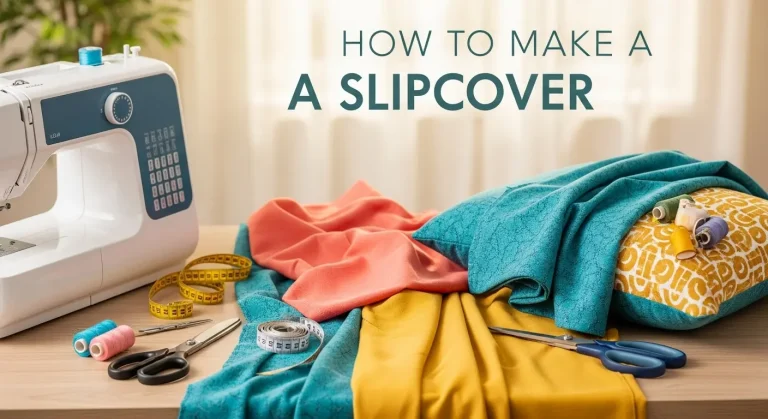
Creating your own pillow slipcovers is a fantastic way to refresh your home decor without spending a fortune. However, before you dive into this fun DIY project, it’s crucial to gather the right materials. Knowing what you need can make the process smoother and more enjoyable. Let’s explore the essentials.
Fabric Options
Your choice of fabric will set the tone for the final look of your slipcovers. Consider these options:
- Cotton:Ideal for a casual, breathable feel. It’s easy to work with and comes in various colors and patterns.
- Linen:Offers a sophisticated and natural texture, great for a minimalist look.
- Velvet:Perfect for adding a touch of luxury and elegance. It’s a bit tricky to sew but worth the effort.
- Outdoor Fabric:If your pillows will be exposed to the elements, choose weather-resistant fabric to ensure durability.
Tools And Equipment
Having the right tools is just as important as choosing the perfect fabric. Here’s what you need:
- Scissors:Invest in a good pair of fabric scissors for clean cuts.
- Measuring Tape:Accurate measurements are key to a perfect fit.
- Sewing Machine:A basic model will suffice for most projects, but ensure it’s in good working condition.
- Pins:These will help hold the fabric in place while you sew.
- Thread:Choose a color that matches or complements your fabric.
- Iron:Pressing your fabric before sewing makes a significant difference in the final appearance.
Embarking on a DIY pillow slipcover project is not only a creative outlet but also a practical way to personalize your living space. Have you ever considered how a simple change in fabric can transform the vibe of a room? With the right materials and tools, you’re well on your way to crafting something beautiful that reflects your style. Happy sewing!

Credit: tarareed.com
Measuring Your Pillow
Measuring your pillow accurately is essential for making slipcovers. Measure the length and width of the pillow. This ensures a perfect fit for your custom slipcover.
Measuring Your Pillow Making pillow slipcovers starts with proper measurements. Accurate dimensions ensure a snug fit. Slipcovers enhance the look and feel of your space. Here’s how to measure your pillow precisely.Determining Dimensions
Begin with measuring the pillow’s width and height. Use a measuring tape for precision. Place the tape across the middle of the pillow. Note down the measurements in inches. Ensure the tape is straight, avoiding any bends. This step determines the base size for your slipcover.Adding Seam Allowances
Seam allowances are crucial for fit and durability. Add extra fabric to each edge for sewing. Typically, add half an inch for each seam. This ensures your slipcover accommodates sewing margins. This extra fabric prevents tight or awkward fits. Double-check your calculations before cutting the fabric.Cutting The Fabric
Cutting the Fabric Accurately measure and mark your fabric before cutting. Use sharp scissors for clean, precise edges. Ensure all pieces are cut to the correct size for smooth assembly of your pillow slipcovers.
Cutting the fabric is a crucial step in making pillow slipcovers. Accurate cutting ensures the fabric fits well and looks neat. Before starting, gather your fabric, scissors, and measuring tools.Using A Template
Creating a template helps achieve uniformity. Use cardboard or paper for your template. Measure the pillow and add an inch for seams. Draw the outline on the template material. Cut out the template shape carefully. Place the template on the fabric. Secure it with pins to prevent shifting. Trace around the template with fabric chalk.Precision Cutting Techniques
Precision is key for professional-looking slipcovers. Use sharp fabric scissors for clean cuts. Follow the chalk lines closely. Avoid cutting too fast; precision needs steady hands. Check the fabric edges for fraying. Use pinking shears if needed to prevent fraying. Handle the fabric gently to maintain shape.Sewing The Slipcover
Sewing the Slipcover Create unique pillow slipcovers by measuring the pillow size and cutting fabric accordingly. Sew the edges together, leaving an opening to insert the pillow. Finally, sew the opening closed for a snug fit.
Sewing the slipcover for your pillows can be a rewarding task. Whether you’re refreshing your decor or protecting your pillows, a slipcover adds charm. With some basic sewing skills, you can create custom slipcovers. Let’s dive into the essential steps to craft your own pillow slipcovers.Basic Stitching Methods
Choosing the right stitch is vital for durability. Start with a simple straight stitch. It’s easy and strong, perfect for beginners. Use a sewing machine for even stitches. Ensure the thread matches your fabric color. For added strength, consider a zigzag stitch. This technique prevents fraying. Practice on a scrap fabric first to get comfortable.Creating A Closure
Closures keep the pillow snug within the slipcover. Zippers offer a clean and professional look. They are easy to open and close. Measure the pillow’s side for zipper length. Sew it along the seam for a seamless finish. Alternatively, use buttons for a decorative touch. Sew buttonholes and attach buttons securely. Velcro is another simple option. It’s easy to use and adjust. Choose what suits your style and sewing skills.Adding Decorative Elements
Transform pillow slipcovers with decorative elements like buttons, ribbons, or embroidery. These additions bring texture and personality. Choose colors and patterns that complement your space for a cohesive look.
Adding decorative elements to pillow slipcovers can transform them from simple to stunning. These touches bring out personality and flair. Whether it’s a hint of color or a splash of texture, decorations make your pillows unique. Let’s explore some ways to add charm and character to your pillow slipcovers.Using Trims And Embellishments
Trims add elegance to pillow slipcovers. Think about lace, ribbons, or tassels. A lace trim can create a vintage feel. Ribbons offer a splash of color and can tie in with room decor. Tassels at the corners add a playful touch. Embellishments such as buttons or beads can add texture. Sew buttons in a pattern for a unique look. Beads can sparkle under light, adding a touch of glamour.Personalizing With Patterns
Patterns create a strong visual impact. Use stencils to paint designs on fabric. Geometric shapes can give a modern look. Florals offer a softer, more traditional vibe. Consider fabric paints for bold colors. Use stamps to create repetitive patterns. Experiment with different shapes and colors. Mixing patterns can be eye-catching. Stripes with polka dots or checks with florals create interest. Keep colors complementary to avoid clashing.
Credit: sewcraftyme.com
Fitting The Slipcover
Creating pillow slipcovers is a fun and rewarding project. It gives your space a fresh look without buying new pillows. Fitting the slipcover perfectly is crucial. It ensures your pillows look neat and polished. A snug fit prevents wrinkles and slippage. Follow these tips to achieve a professional finish.
Adjustments And Alterations
Begin by measuring your pillow carefully. Accurate measurements are key to a proper fit. Consider the pillow’s shape and size. Round pillows may need different adjustments than square ones.
Once you have your slipcover, check its fit on the pillow. Make adjustments if it’s too loose or tight. Use pins to mark areas that need altering. Sew along the marked lines for a better fit. Remember, small alterations make a big difference.
Ensuring A Snug Fit
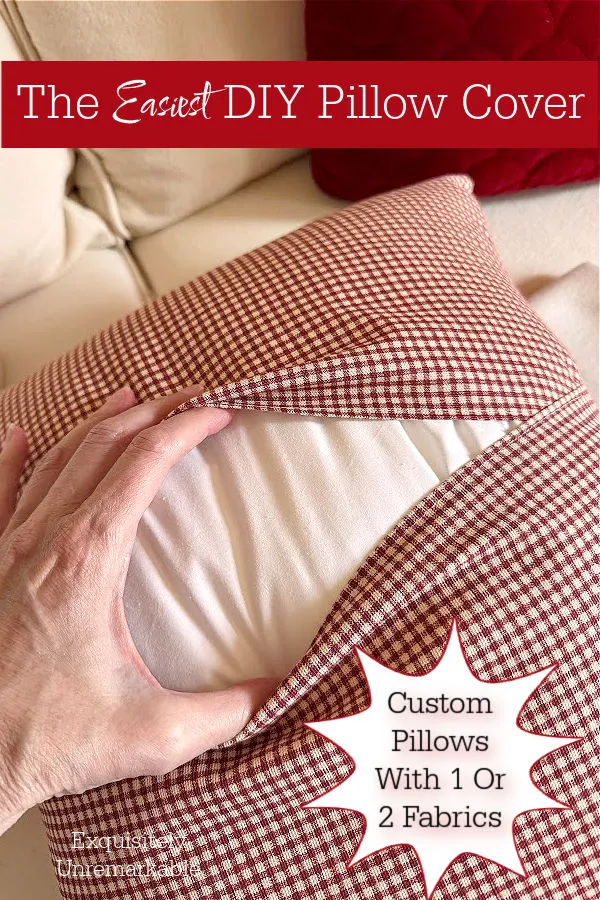
A snug fit enhances the pillow’s appearance. It keeps the cover in place and maintains its shape. Use a zipper or buttons for easy fitting. These closures help the slipcover stay secure.
Check the edges and corners. They should align perfectly with the pillow’s form. Tuck in any excess fabric to create clean lines. Regularly adjust and smooth out the fabric for a flawless look.
Care And Maintenance
Once you’ve crafted your beautiful pillow slipcovers, ensuring they stay vibrant and intact requires attention to care and maintenance. Proper care not only extends their life but also keeps them looking fresh and stylish. Let’s dive into how you can maintain your slipcovers effortlessly.
Washing Instructions
Slipcovers, like any other fabric, require regular cleaning to maintain their charm. Always check the fabric label for specific washing instructions. Most slipcovers can be machine washed on a gentle cycle using cold water. This prevents shrinkage and color fading.
Use mild detergent to preserve the fabric’s texture and color. Avoid bleach as it can cause discoloration. After washing, air dry your slipcovers. Heat from a dryer can cause unnecessary wear and tear.
Repair And Upkeep
Over time, you might notice small tears or loose threads. Fix these issues promptly to prevent them from worsening. A simple needle and thread can often handle minor repairs.
Invest in fabric glue for quick fixes. It works wonders on tiny rips or frayed edges. Regular inspections can save you from major repairs down the line.
Consider rotating your slipcovers if you have multiple sets. This reduces wear and tear on any single set. Plus, it’s a fun way to refresh your decor without spending a dime!
How do you ensure your slipcovers remain pristine? Share your tips in the comments!

Credit: www.youtube.com
Frequently Asked Questions
What Materials Do I Need For Pillow Slipcovers?
To make pillow slipcovers, you’ll need fabric, a sewing machine, thread, scissors, and a measuring tape. Choose fabric that complements your decor. Cotton or linen are popular choices. You may also need pins to hold the fabric in place while sewing.
Ensure you have the right-sized pillow insert for a perfect fit.
Can I Make Slipcovers Without Sewing?
Yes, you can make slipcovers without sewing by using fabric glue or iron-on adhesive. Measure and cut the fabric to fit your pillow, then secure the edges with adhesive. This method is quicker and perfect for beginners. Ensure the adhesive is strong enough to hold the fabric securely.
How Do I Choose Fabric For Slipcovers?
Select fabric based on durability, style, and color. Consider the room’s decor and how often the slipcovers will be used. Cotton and linen are durable and easy to clean. Choose patterns or colors that enhance your room’s aesthetic. Always test fabric for shrinkage before finalizing your choice.
Are Pillow Slipcovers Machine Washable?
Most pillow slipcovers made from durable fabrics like cotton or linen are machine washable. Always check the fabric care instructions before washing. Use mild detergent and cold water to prevent fading. Avoid using bleach or harsh chemicals. Dry them on low heat or air dry for longevity.
Conclusion
Creating pillow slipcovers is simple and rewarding. Start with choosing your fabric. Measure accurately for the best fit. Sew with care and patience. Add personal touches for unique designs. Enjoy your refreshed pillows! Slipcovers add style without spending much. Perfect for room makeovers.
Try different colors and patterns. Experiment with textures. Let your creativity shine. Your home will feel cozy and fresh. Slipcovers are easy to change and wash. Perfect for any season. Happy sewing and decorating!

Home Improvement Expert & Senior Writer at HomeFixio
Reed Atwood is a seasoned home improvement expert with a passion for transforming everyday living spaces into functional and stylish havens. With years of experience in DIY projects, renovations, and home upgrades, Reed brings a wealth of knowledge to HomeFixio. As a senior writer, he provides readers with practical, easy-to-follow guides, expert tips, and innovative solutions for every room in the house. His goal is to empower homeowners to tackle their projects with confidence, ensuring both quality results and a rewarding experience.