
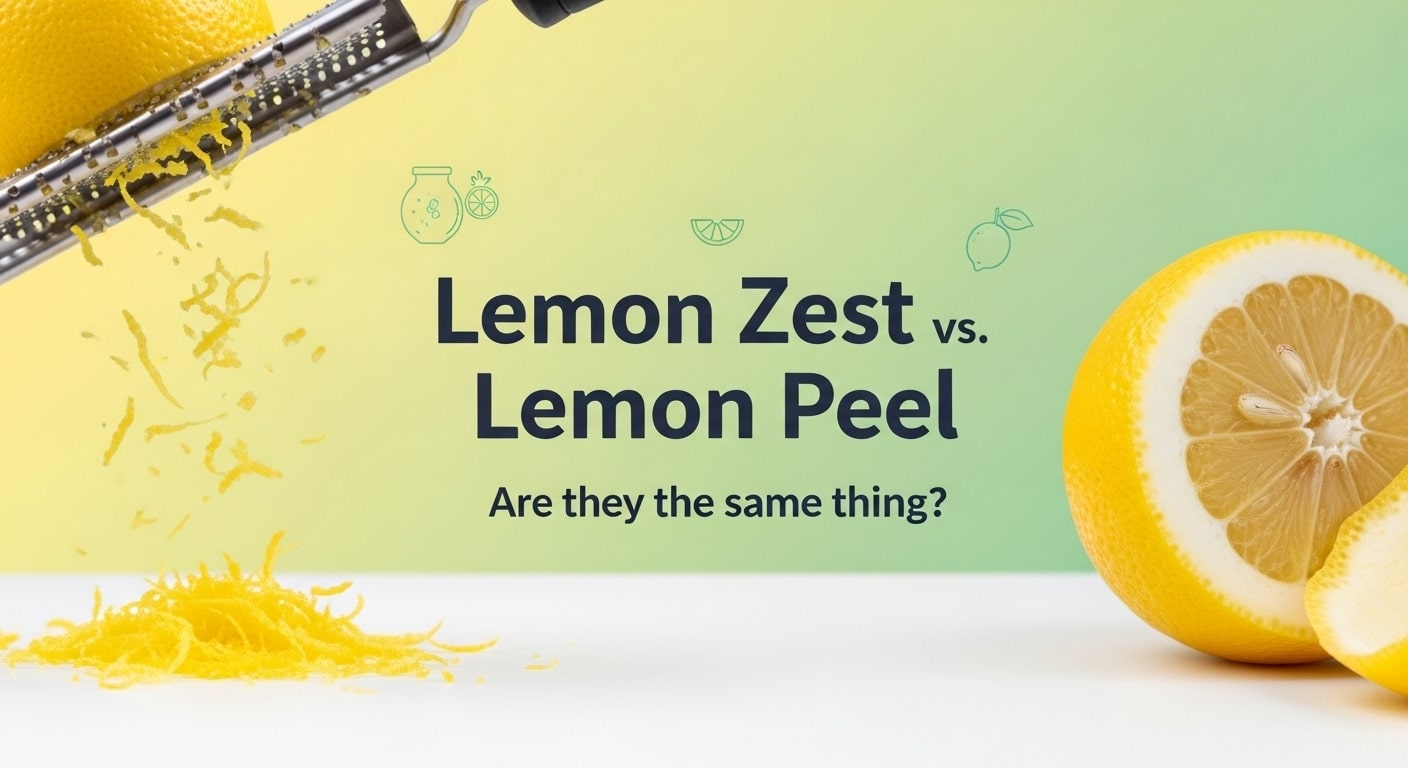
Is Lemon Zest And Lemon Peel the Same: Key Differences Explained
Have you ever reached for lemon zest and wondered if it’s the same as lemon peel? You’re not alone.
Many people use these terms interchangeably, but there’s a subtle difference that can change the flavor of your dish or drink. Understanding this simple detail can make your cooking and baking much better—and it’s easier than you think. Keep reading, and you’ll discover exactly what sets lemon zest and lemon peel apart, so you can use them like a pro every time.

Credit: www.delish.com
Lemon Zest Vs. Lemon Peel
Understanding the difference between lemon zest and lemon peel can change how you use lemons in your cooking and baking. Many people assume they are the same, but each offers distinct flavors and textures that impact your dish differently. Let’s break down what sets them apart and why it matters for your recipes.
Lemon Zest: The Flavor Booster
Lemon zest is the thin, colorful outer layer of the lemon’s skin. It contains essential oils that give a bright, fresh citrus aroma and intense lemon flavor without the bitterness.
When you add zest to your dishes, you’re adding concentrated lemon flavor without extra acidity or bitterness. It’s perfect for enhancing desserts, salads, and cocktails.
Lemon Peel: More Than Just Flavor
Lemon peel refers to the entire outer skin, including the white pith underneath. The pith is quite bitter and can affect the taste if included in large amounts.
Peel is often used in making candied lemon or lemon-infused syrups, where its texture and bitterness play a role. You’ll want to be careful using whole peel directly in recipes due to its toughness and strong flavor.
How To Choose Between Zest And Peel
Think about what your recipe needs: a burst of bright lemon flavor or a stronger, more complex citrus note with bitterness. If you want fresh lemon flavor, go for zest.
If you’re preparing lemon for infusions or candying, peel might be your choice. Have you tried substituting zest for peel in your recipes? What was the result?

Credit: www.acouplecooks.com
Characteristics Of Lemon Zest
Lemon zest is the outermost layer of the lemon’s skin. It holds a unique set of qualities that chefs and home cooks prize. This thin layer is packed with oils and bright flavors. It differs from the lemon peel, which includes the white pith underneath. Understanding the characteristics of lemon zest helps to use it properly in recipes.
Texture And Appearance
Lemon zest has a fine, slightly rough texture. It is thin and delicate, easy to grate or peel off. Its color is bright yellow, which adds a fresh look to dishes. The zest does not include the bitter white pith beneath it. It looks like tiny shreds or small curls of lemon skin.
Flavor Profile
The flavor of lemon zest is fresh and citrusy. It is aromatic with a strong lemon scent. Unlike the sour juice, zest has a mild tartness with a hint of sweetness. It adds a bright, zesty punch without acidity. The oils in the zest carry the lemon’s essential flavor.
Culinary Uses
Lemon zest enhances both sweet and savory dishes. It works well in baked goods like cakes and cookies. It adds brightness to salads, dressings, and marinades. Chefs use it to flavor sauces, soups, and seafood dishes. Lemon zest can be sprinkled on top as a fresh garnish too.
Characteristics Of Lemon Peel
Lemon peel is the outer layer of the lemon fruit. It has unique features that make it different from other parts of the lemon. Understanding its characteristics helps in using it correctly in cooking and other applications.
Texture And Appearance
Lemon peel is firm and slightly rough to touch. It has a bright yellow color that varies by lemon type. The surface contains tiny oil glands that release fragrance when pressed. The peel is thicker than the zest and has a white layer underneath called pith. This pith is bitter and spongy compared to the smooth outer layer.
Flavor Profile
The outer peel carries a strong citrus aroma and a slightly bitter taste. It is more intense than the lemon juice or zest. The bitter notes come from the pith beneath the yellow skin. The oils in the peel give a fresh, zesty flavor that can brighten dishes. Using too much peel can add unwanted bitterness.
Culinary Uses
- Used in marmalades and preserves for a citrus punch.
- Added to stews or roasts for a subtle lemon fragrance.
- Infused in oils or spirits to enhance flavor.
- Candied lemon peel serves as a sweet treat or garnish.
- Grated peel adds texture and aroma to baked goods.

Credit: www.facebook.com
How To Extract Lemon Zest
Extracting lemon zest is simple and quick. It adds a fresh, citrus flavor to many dishes. Learning the right way helps get the best taste without the bitter white part.
Tools Needed
- Zester or microplane grater
- Vegetable peeler
- Paring knife
- Cutting board
- Bowl for collecting zest
Step-by-step Process
Start by washing the lemon thoroughly under cold water. This removes dirt and wax from the skin.
Use a zester or microplane grater to scrape the yellow part of the peel. Avoid the white pith as it tastes bitter.
Hold the lemon firmly and gently grate in one direction. Collect the fine zest in the bowl below.
If you use a vegetable peeler, carefully peel thin strips of the yellow skin. Then chop the strips finely with a paring knife.
Work slowly to avoid cutting into the white pith. The goal is to get only the colorful outer layer.
Use the zest immediately or store it in an airtight container in the fridge for later use.
How To Prepare Lemon Peel
Preparing lemon peel is simple and useful for many recipes. The peel adds a bright flavor and aroma. It works well in baking, cooking, and drinks.
Fresh lemon peel has oils that enhance taste. Proper preparation keeps these oils intact. Clean, dry, and remove only the colored part for best results.
Tools Needed
- Sharp paring knife or vegetable peeler
- Cutting board
- Fine grater or microplane (optional)
- Bowl for collecting peel
- Paper towels or clean cloth
Step-by-step Process
- Wash lemon under running water to remove dirt.
- Dry the lemon with paper towels to avoid slips.
- Use a paring knife or peeler to remove the outer yellow layer.
- Avoid cutting into the white pith; it tastes bitter.
- If using a grater, gently rub the lemon over the fine side.
- Collect the zest or peel in a bowl.
- Use the peel immediately or dry it for later use.
Nutritional Benefits
Understanding the nutritional benefits of lemon zest and lemon peel can help you make better choices in your cooking and health routines. Both parts of the lemon offer valuable nutrients, but they differ slightly in their composition. Let’s look closely at what vitamins and minerals they provide and how they might boost your health.
Vitamins And Minerals
Lemon zest is rich in essential vitamins, especially vitamin C, which supports your immune system and skin health. It also contains small amounts of vitamin A and B-complex vitamins.
The peel, being thicker, holds a higher concentration of dietary fiber and minerals such as calcium, potassium, and magnesium. These minerals are vital for bone strength, heart health, and muscle function.
Both zest and peel have powerful antioxidants that help fight oxidative stress in your body.
Health Advantages
Adding lemon zest or peel to your meals can improve digestion due to their fiber content. This can help you feel fuller longer and support gut health.
They may also lower inflammation and reduce the risk of certain chronic diseases thanks to their antioxidant properties.
Here’s a practical tip: sprinkle lemon zest over salads or yogurt to get a vitamin C boost without extra calories.
Have you ever tried using lemon peel in your teas or stews to add flavor and nutrients at the same time? It’s a simple way to enhance your meals and support your wellbeing.
Common Mistakes In Usage
Many people confuse lemon zest and lemon peel, leading to mistakes in cooking. These errors affect the taste and texture of dishes. Knowing the difference helps use lemons correctly. Below are common mistakes to watch out for.
Confusing Zest And Peel
Lemon zest is the thin, colorful outer layer of the lemon skin. It holds the lemon’s essential oils and strong flavor. Lemon peel includes the zest plus the white part underneath, called the pith.
The pith is bitter and less tasty. Using lemon peel instead of zest can make food bitter. Recipes often ask for zest to add bright, fresh flavor. Using the whole peel changes the taste and texture.
Overuse In Recipes
Adding too much lemon zest or peel can overpower a dish. A small amount of zest adds a fresh lemon punch. Too much peel or zest makes food sour or bitter.
Use zest sparingly. Start with a little, taste, and add more if needed. Overusing lemon peel especially the white pith, can ruin desserts and sauces. Balance is key for the best flavor.
Tips For Optimal Use
Knowing how to use lemon zest and lemon peel properly can make a big difference in your cooking and baking. These parts of the lemon offer unique flavors and textures that can lift a dish from ordinary to memorable. Here are some tips to get the most out of them.
Enhancing Flavor
Lemon zest carries intense citrus oils that can brighten any recipe. Add it at the end of cooking to keep its fresh, vibrant taste. If you add lemon peel, especially the white pith, early in cooking, it softens and adds a gentle bitterness that works well in slow-cooked dishes.
Try mixing lemon zest into your salad dressings or sprinkle it over roasted vegetables for an instant flavor boost. Ever noticed how zest in desserts adds a refreshing twist without the acidity of lemon juice? That’s the magic of using zest wisely.
Storage Recommendations
Fresh lemon zest should be used quickly for the best flavor. If you need to store it, place it in an airtight container in the fridge for up to two days. For longer storage, freeze zest in small portions using ice cube trays, so you can grab just what you need later.
Lemon peel can be stored similarly, but if you plan to use it for infusions or baking, drying it first can extend its shelf life. Keep dried lemon peel in a sealed jar away from light and moisture to preserve its aroma. Have you ever tried freezing lemon peel with sugar? It makes a handy, flavorful mix to sweeten teas or cocktails.
Frequently Asked Questions
What Is The Difference Between Lemon Zest And Peel?
Lemon zest is the thin, colorful outer layer of the lemon skin. Lemon peel includes the zest plus the white pith beneath. Zest adds bright flavor, while peel can be bitter due to the pith.
Can Lemon Zest And Peel Be Used Interchangeably?
They are not fully interchangeable. Zest is preferred for flavor without bitterness. Peel is used in recipes needing bitterness or longer cooking times.
Is Lemon Zest Healthier Than Lemon Peel?
Lemon zest contains more essential oils and antioxidants. The white pith in the peel is high in fiber but can be bitter. Both offer nutritional benefits but serve different culinary uses.
How Do You Properly Zest A Lemon?
Use a fine grater or microplane to remove only the colorful outer layer. Avoid the white pith as it tastes bitter and can affect flavor.
Conclusion
Lemon zest and lemon peel are not exactly the same. Zest is the thin, colorful outer layer of the lemon skin. The peel includes the zest plus the white, bitter part underneath. Each has different uses in cooking and baking.
Zest adds bright, fresh flavor without bitterness. Peel can add stronger, sometimes bitter taste. Knowing the difference helps you choose the right part for your recipe. Next time you cook, try using lemon zest for a fresh twist. Simple, easy, and full of flavor.

Home Improvement Expert & Senior Writer at HomeFixio
Reed Atwood is a seasoned home improvement expert with a passion for transforming everyday living spaces into functional and stylish havens. With years of experience in DIY projects, renovations, and home upgrades, Reed brings a wealth of knowledge to HomeFixio. As a senior writer, he provides readers with practical, easy-to-follow guides, expert tips, and innovative solutions for every room in the house. His goal is to empower homeowners to tackle their projects with confidence, ensuring both quality results and a rewarding experience.


