Can You Deep Fry in a Saucepan: Expert Tips Revealed
Imagine the mouthwatering crunch of perfectly fried chicken or the crispy delight of golden fries. You might think that achieving such culinary perfection requires a deep fryer, but what if all you have is a humble saucepan?
Can you really deep fry in a saucepan and get the same results? This intriguing question might have crossed your mind, especially if you’re looking to whip up a delicious meal without investing in extra kitchen gadgets. You’ll uncover the secrets of deep frying in a saucepan, learning how to transform everyday meals into crispy masterpieces.
We’ll guide you through the process, offering tips and tricks to make sure your frying experience is both safe and successful. Discover how you can enjoy restaurant-quality fried food right in your own kitchen, using just the tools you already have. Dive in to find out how this simple technique can elevate your cooking game and satisfy your craving for crunch!

Credit: www.wikihow.com
Deep Frying Basics
Have you ever wondered if you can deep fry in a saucepan? It might seem unconventional, but with a few tips, you can achieve crispy, golden results. Deep frying is all about submerging food in hot oil to cook it quickly and evenly. It’s a technique that can transform simple ingredients into mouthwatering treats. But before you start, understanding the basics is essential.
Understanding Deep Frying
Deep frying involves cooking food by immersing it in hot oil. The oil surrounds the food, cooking it rapidly and giving it a crunchy exterior. The key is to maintain a consistent oil temperature, usually between 350°F and 375°F. If the oil is too hot, your food will burn; too cold, and it will become greasy.
Using a saucepan for frying requires careful monitoring of the oil temperature. A cooking thermometer can be your best friend here. It’s crucial to keep the oil level low enough to prevent spills but high enough to cover the food completely.
Common Oils For Frying
Choosing the right oil can make or break your frying experience. Some oils have higher smoke points, making them more suitable for deep frying. Canola oil is a popular choice due to its high smoke point and neutral flavor. Peanut oil is another favorite; it gives a subtle nutty taste without overpowering your dish.
Vegetable oil is versatile and cost-effective for frying in a saucepan. If you’re feeling adventurous, try using sunflower oil for a lighter taste. Each oil brings a different flavor profile, so consider what complements your dish best.
Have you ever tried experimenting with different oils? The results might surprise you. Next time you fry, why not choose an oil you haven’t used before? You might discover a new favorite.
Deep frying in a saucepan is not just about the technique; it’s also an opportunity to get creative. What delicious concoction will you create today?
Credit: cravingsbychrissyteigen.com
Choosing The Right Saucepan
Deep frying in a saucepan can be a practical choice. However, selecting the right saucepan is crucial for safety and results. The right saucepan ensures even heating and prevents oil spills. Let’s explore what to consider when choosing a saucepan for deep frying.
Material Considerations
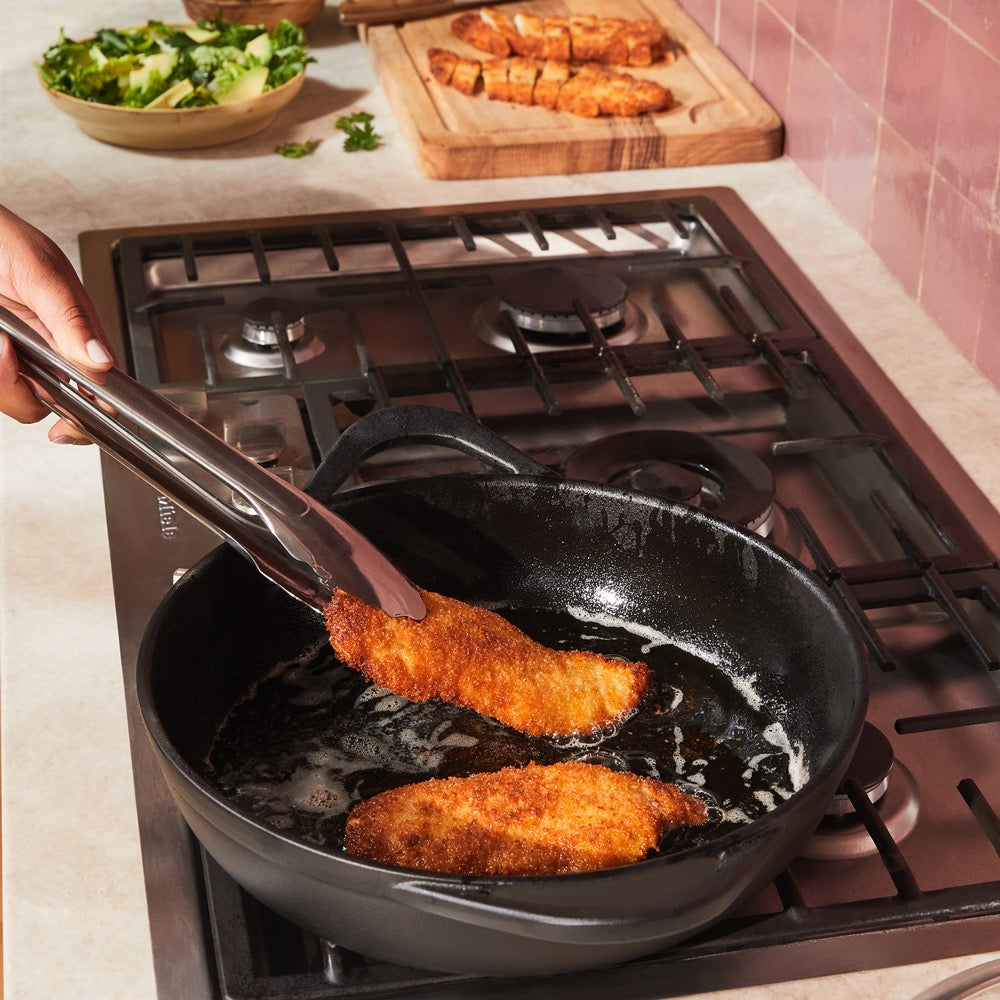
The material of the saucepan affects heat distribution. Stainless steel is a popular choice. It provides even heating and is durable. Avoid non-stick pans as high heat can damage them. Cast iron retains heat well, keeping the oil temperature stable.
Size And Depth Requirements
The size of the saucepan is important. A larger pan holds more oil, reducing spill risk. Ensure the pan has enough depth to submerge food completely. A depth of at least 4 inches is ideal. This prevents oil from overflowing when adding food.
Preparing For Deep Frying
Deep frying in a saucepan is possible with careful preparation. Ensure the saucepan is deep enough to hold oil safely. Monitor the oil temperature closely to avoid splattering and maintain safety during cooking.
Preparing for deep frying in a saucepan can be an exciting culinary adventure. However, it’s essential to make sure you’re adequately prepared to ensure a smooth and safe experience. Whether you’re frying chicken, potatoes, or experimenting with something new, understanding the key elements of preparation can make all the difference.Safety Precautions
Safety should be your top priority when deep frying. Ensure your saucepan is stable on the stove and use a heavy-bottomed pan to prevent tipping. Keep a lid nearby to cover the pan quickly in case of oil splatters or fire. Have a fire extinguisher rated for grease fires within reach. It’s better to be cautious than regretful.Essential Tools And Equipment
Choosing the right tools can simplify the deep frying process. Use a thermometer to monitor the oil temperature. This helps avoid overheating and ensures perfectly fried food. Equip yourself with a spider or slotted spoon to safely lift food from the oil. They are designed to handle hot and crispy items without damaging them. Consider using a cooling rack to drain excess oil. This keeps your food crispy and prevents sogginess. — What’s your favorite deep-fried dish? Preparing it in a saucepan might just elevate your home cooking game!Step-by-step Frying Process
Deep frying in a saucepan is possible with careful attention. Ensure the pan is deep enough and oil level controlled. Use a thermometer for accurate temperature.
Deep frying can seem daunting, especially if you don’t have a dedicated deep fryer. But did you know you can effectively deep fry in a saucepan? This method is not only practical but also allows you to enjoy crispy, delicious food right at home. Let’s break down the step-by-step frying process to make sure your next kitchen adventure is a success.Heating The Oil
Start by selecting a sturdy saucepan that can handle high heat. It’s best to choose one with deep sides to minimize the risk of oil splattering. Pour enough oil to fill about one-third of the saucepan. A common mistake is using too little oil, which can lead to uneven cooking. Turn on the burner to medium-high heat. You might be tempted to rush this step, but patience is key. The oil needs time to reach the right temperature for effective frying.Monitoring Temperature
Maintaining the right temperature is crucial for perfect frying. If the oil is too hot, the food can burn quickly. Too cold, and it will absorb excess oil, becoming greasy. Use a kitchen thermometer to check the oil’s temperature. Aim for a range between 350°F to 375°F. Don’t have a thermometer? Toss a small piece of bread into the oil; if it browns in about 60 seconds, you’re good to go. As you fry, keep an eye on the thermometer. Adjust the heat as needed to maintain consistent temperature. Fluctuations can affect the texture and taste of your food. Ever wondered why your fried chicken is sometimes soggy? It’s all in the temperature control. Managing heat is your secret weapon. Remember, frying in a saucepan isn’t just about technique; it’s about creating an experience. Imagine the delight on your friends’ faces when you serve them homemade fried snacks. Are you ready to impress?Expert Tips For Perfect Results
Deep frying in a saucepan is possible with careful attention to oil temperature. Ensure the pan is deep enough to submerge food completely. Monitor the heat closely to avoid splattering and maintain safety.
Deep frying in a saucepan might seem unconventional, but with the right techniques, it can yield delicious results. Imagine you’re craving golden, crispy fries or a batch of homemade churros, yet all you have is a trusty saucepan. Fear not, with expert tips on maintaining oil quality and achieving even cooking, your culinary desires can be fulfilled. Let’s dive into how you can perfect your deep frying skills using just a saucepan.Maintaining Oil Quality
Quality oil is key to successful deep frying. Start by choosing oils with a high smoke point like canola or vegetable oil. These oils can withstand higher temperatures without breaking down. Keep an eye on the oil temperature using a thermometer. Aim for around 350°F (175°C). Too hot, and your food will burn; too cool, and it will absorb excess oil. Reuse your oil wisely. Strain it after each use to remove food particles. Store it in a cool, dark place to prevent it from going rancid. How often do you check your oil for clarity and freshness?Achieving Even Cooking
Even cooking ensures that your food is uniformly crispy and delicious. Cut your ingredients into similar sizes. This helps in cooking them evenly without leaving some pieces raw. Stir your food occasionally while frying. This promotes uniform heat distribution and prevents sticking. Have you ever noticed uneven browning in your fried food? Avoid overcrowding the saucepan. This can lower the oil temperature and lead to soggy results. Fry in batches if necessary, and maintain a steady temperature throughout. With these expert tips, deep frying in a saucepan is not only possible but can be a delightful culinary experience. Embrace the process and soon, you’ll be crafting crispy, mouth-watering dishes right from your home kitchen.Common Mistakes To Avoid
Deep frying in a saucepan seems easy. But many people make mistakes. These mistakes can ruin the food and be unsafe. Knowing what to avoid is crucial. This guide helps you fry safely and deliciously. Read on to learn more.
Overcrowding The Pan
Placing too much food in the pan is common. This mistake lowers the oil temperature. It causes uneven cooking. Food becomes greasy instead of crispy. To avoid this, fry in small batches. Give each piece enough space. This ensures proper cooking and better flavor.
Ignoring Oil Temperature
Oil temperature is key for deep frying. Too hot, and food burns. Too cold, and it absorbs oil. Check the oil with a thermometer. Keep it between 350°F and 375°F. Adjust heat as needed. This keeps food crispy and tasty. Remember, monitoring oil temperature is crucial.
Cleaning And Storing
Deep frying in a saucepan can be a delicious way to cook. But cleaning and storing the equipment can be tricky. Proper cleaning ensures the longevity of your kitchen tools. Storing them correctly keeps them in good condition. Read on to learn effective methods.
Proper Disposal Of Oil
Used oil should never be poured down the drain. It can clog pipes and harm the environment. Instead, let the oil cool completely. Pour it into a sealable container. Then, dispose of it in the trash. Some local areas offer recycling for used cooking oil. Check if this service is available near you.
Storing Equipment Safely
After cleaning, dry the saucepan thoroughly. Moisture can lead to rust. Store the saucepan in a dry place. Keep it away from other heavy pots. This prevents scratches and dents. Place lids separately to avoid trapping moisture inside. Ensure the saucepan is easily accessible for your next frying session.

Credit: www.bbcgoodfood.com
Frequently Asked Questions
Can You Deep Fry Using A Saucepan?
Yes, you can deep fry in a saucepan. Ensure it’s deep enough to hold oil safely. Use a thermometer to monitor oil temperature. Avoid overcrowding to maintain consistent frying. Always exercise caution to prevent oil spills and burns.
What Oil Is Best For Deep Frying?
For deep frying, use oils with high smoke points like canola, peanut, or vegetable oil. These oils ensure even cooking and a crispy finish. They also impart a neutral flavor, letting the food’s taste shine through.
How Much Oil Do You Need In A Saucepan?
Fill the saucepan with oil about halfway. This prevents overflow when adding food. Ensure there’s enough oil to submerge the food completely. Consistent oil coverage ensures even cooking and a crispy texture.
Is Deep Frying In A Saucepan Safe?
Deep frying in a saucepan is safe with precautions. Use a stable, heavy-bottomed pan to prevent tipping. Monitor the oil temperature with a thermometer. Keep a fire extinguisher nearby for emergencies and never leave frying unattended.
Conclusion
Deep frying in a saucepan is doable. Just follow the right steps. Use the right oil and keep it hot. Don’t overcrowd the saucepan. Safety is key; stay alert. Monitor the oil temperature carefully. Too hot, and it’s dangerous. Too cold, and food gets greasy.
Small batches cook better. This method suits small portions well. Always use a lid for safety. Clean up is easy with proper preparation. Enjoy crispy, tasty food right at home. With practice, you’ll perfect your technique. Remember, patience and caution lead to delicious results.
Happy frying!

Home Improvement Expert & Senior Writer at HomeFixio
Eliot Granger is a seasoned home improvement expert with years of experience transforming living spaces. Specializing in everything from kitchen renovations to bathroom upgrades, Eliot shares his knowledge through practical, insightful articles. His passion for creating functional, beautiful homes drives him to offer expert tips and solutions for every corner of your house. As a trusted writer for HomeFixio, Eliot is dedicated to helping homeowners make informed decisions and achieve precision in their projects.