How Long Does It Take an Air Purifier to Work: Quick Clean Air Tips
Have you ever wondered how long it takes for an air purifier to actually clean the air in your home? You want fresh, clean air quickly, especially if allergies or dust are bothering you right now.
But the answer isn’t always simple. The time it takes depends on several factors, and knowing what they are can help you get the best results faster. Keep reading, and you’ll discover exactly how long you should expect to wait—and what you can do to speed up the process.
Your lungs will thank you.

Credit: www.dreo.com
Factors Affecting Purifier Speed
Understanding the factors that affect how quickly an air purifier works can help you get the most out of your device. Different elements influence the speed at which the air in your room gets cleaned. Knowing these can guide you in choosing and using your purifier more effectively.
Room Size And Volume
The size of your room plays a huge role in how fast your air purifier works. Larger rooms have more air to clean, so it takes longer for the purifier to cycle all the air through its filters.
If your purifier is designed for a smaller space, using it in a big room won’t give you quick results. You can check the Clean Air Delivery Rate (CADR) on your purifier’s label to see what room size it’s best for.
Type Of Air Purifier
Different types of air purifiers work at different speeds. For example, HEPA purifiers tend to be very effective but may take a bit longer to clean large spaces fully.
On the other hand, ionizers or UV purifiers might clean the air faster but may not remove all types of particles. Think about what you want to remove from your air—dust, allergens, odors, or germs—and choose the type accordingly.
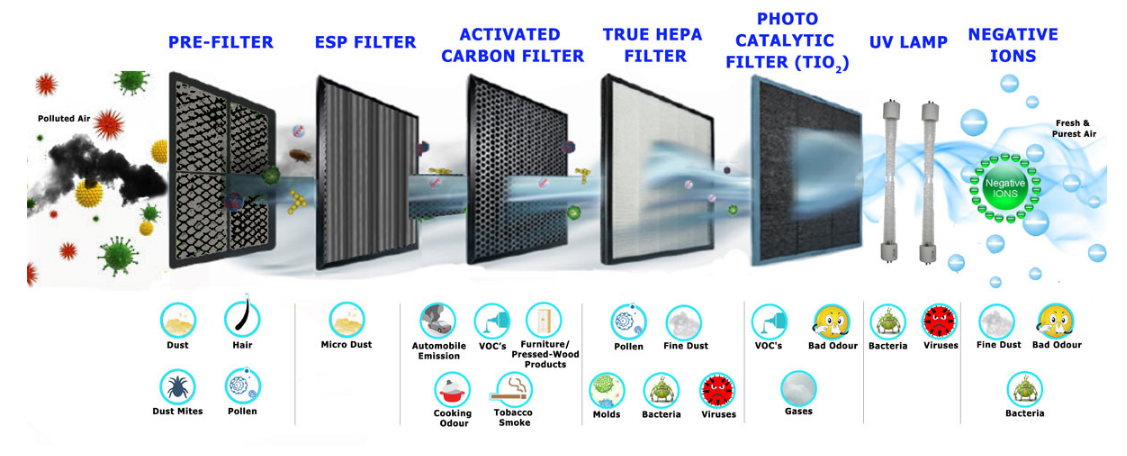
Filter Quality And Type
The quality and type of filter inside your purifier make a big difference. High-efficiency filters capture smaller particles and do so more quickly.
Filters with multiple layers or activated carbon can remove more pollutants but might slow airflow a bit. Keep in mind that a clogged or old filter reduces purification speed drastically, so regular replacement is key.
Credit: medium.com
Typical Timeframes For Air Purifiers
Understanding how long it takes for an air purifier to make a noticeable difference can help you set realistic expectations. The timeframes vary based on factors like room size, purifier type, and pollution levels. Let’s break down what you can expect at different stages after turning on your device.
Immediate Effects
Right after switching on your air purifier, you might notice a fresher smell in the room. Some models come with ionizers or activated carbon filters that can quickly reduce odors from pets, cooking, or smoke.
However, dust or allergens won’t disappear instantly. It usually takes a few minutes for the purifier to start pulling airborne particles from the air.
Short-term Improvements
Within 30 minutes to an hour, you should see a clearer difference in air quality, especially in smaller rooms. Allergens like pollen or pet dander begin to reduce noticeably.
People with mild allergies often report feeling relief in this timeframe, as the purifier removes irritants from the immediate breathing zone. Are you paying attention to how your breathing changes when the purifier runs?
Long-term Air Quality
For lasting air quality improvements, continuous use over days or weeks is key. Regular filtering can lower dust buildup, prevent mold growth, and reduce airborne bacteria.
Think about the difference in your home after a week of running the purifier daily. You might find fewer sneezes, less coughing, and an overall cleaner environment. This is where the real health benefits start to show up.
Enhancing Air Purifier Efficiency
Enhancing the efficiency of your air purifier helps it clean the air faster and better. Small changes in how you use it make a big difference. This section covers key ways to improve your air purifier’s performance.
Proper Placement
Place the air purifier in an open area. Avoid corners and behind furniture that block airflow. Keep it at least a few feet from walls. Position it near the source of pollution if possible. This allows quicker capture of dust and particles.
Regular Maintenance
Clean or replace filters as the manufacturer suggests. Dirty filters reduce airflow and cleaning power. Wipe the outer surface regularly to prevent dust buildup. Check the purifier’s parts to ensure all work well. Proper care keeps the purifier running efficiently.
Optimizing Airflow
Keep doors and windows closed during operation to prevent outside air from entering. Allow free air movement around the purifier. Avoid placing items on top of the device. Use the right fan speed for the room size. Good airflow lets the purifier clean air faster.
Credit: www.intellipure.com
Additional Quick Clean Air Tips
Getting your air purifier to work efficiently takes more than just plugging it in. You can speed up the process and improve overall air quality by using some additional quick clean air tips. These strategies help you create a healthier environment faster and keep the air fresh for longer.
Ventilation Strategies
Opening windows and doors for a few minutes each day can help flush out stale air and bring in fresh oxygen. Even a short burst of ventilation can reduce indoor pollutants and make your air purifier’s job easier. Consider using exhaust fans in kitchens and bathrooms to remove odors and moisture quickly.
Have you tried balancing ventilation with your purifier running? If you ventilate too long, outdoor pollutants might sneak in. So, aim for brief, controlled ventilation sessions to keep your indoor air fresh without overwhelming your purifier.
Complementary Air Cleaning Methods
Using houseplants like spider plants or peace lilies can help absorb some airborne toxins naturally. While plants alone won’t replace your purifier, they add a layer of air cleaning that works quietly in the background.
Regularly dusting and vacuuming with a HEPA filter vacuum also reduces particles that would otherwise stay airborne. Small habits like wiping surfaces and keeping pets groomed can lower allergens and dust, making your purifier more effective.
Monitoring Air Quality
Investing in a simple air quality monitor lets you see real-time data on pollutants like PM2.5 and VOCs. Watching these numbers helps you know when to run your purifier at higher speeds or increase ventilation.
Have you noticed how air quality changes during cooking or cleaning? Tracking these fluctuations helps you react quickly to maintain clean air. It’s like having a weather report for your home’s air—giving you control over your environment.
Common Misconceptions
Many people expect air purifiers to clear the air instantly. This expectation often leads to disappointment and confusion. Understanding common misconceptions helps set realistic expectations about how long an air purifier takes to work.
Overestimation Of Speed
Some believe air purifiers clean air in seconds. Air purification is a gradual process. It depends on room size, purifier power, and pollution level. Expecting immediate results can cause frustration.
Air purifiers need time to cycle air multiple times. The first few minutes show minor changes. Noticeable improvement occurs after several hours of use. Patience is key for effective air cleaning.
Misunderstanding Purifier Capabilities
Many assume air purifiers remove all pollutants instantly. Different purifiers target different particles. Some focus on dust, others on odors or allergens. No single device removes everything immediately.
Effectiveness depends on purifier type and filter quality. Filters must be maintained and replaced as directed. Without proper upkeep, purifiers lose efficiency quickly. Knowing what your purifier can and cannot do is crucial.
Frequently Asked Questions
How Quickly Do Air Purifiers Start Cleaning Air?
Air purifiers begin cleaning air within 15 to 30 minutes of use. Efficiency depends on purifier type and room size. Larger rooms may take longer. Regular use ensures continuous improvement in air quality. Filters capture pollutants as air circulates through the device.
What Factors Affect Air Purifier Working Time?
Room size, air purifier capacity, and pollution level impact working time. Larger rooms or heavily polluted air require longer operation. Filter quality and fan speed also influence effectiveness. Proper placement near pollution sources improves results. Regular filter changes maintain optimal performance.
Can Air Purifiers Remove All Indoor Pollutants?
Air purifiers effectively remove dust, pollen, smoke, and pet dander. However, they may not eliminate gases like radon or carbon monoxide. HEPA filters capture particles as small as 0. 3 microns. Activated carbon filters help reduce odors and some chemicals.
Combining ventilation and purification enhances indoor air quality.
How Often Should I Run My Air Purifier?
For best results, run your air purifier continuously or at least 8 hours daily. Continuous use maintains stable air quality, especially in polluted environments. Turn it off only when rooms are unoccupied. Regular filter checks and replacements ensure the purifier runs efficiently.
Conclusion
Air purifiers start cleaning the air within minutes. Full effects depend on room size and purifier strength. Keep the purifier running for several hours to see clear results. Regular use helps maintain better air quality. Clean filters often to ensure the purifier works well.
Good air feels fresher and healthier to breathe. Small steps can improve your home’s air a lot. Choose the right purifier for your space and needs. Clean air supports better health and comfort every day.

Home Interior Design & Renovation Expert at HomeFixio
Sierra Wellington is a skilled home interior designer with extensive experience in plumbing, fittings, and home renovations. Having worked on numerous residential projects, Sierra specializes in creating functional and aesthetically pleasing spaces. With a keen eye for design and a deep understanding of the technical aspects of home improvement, he provides expert advice on everything from layout planning to fixture installations. As a writer for HomeFixio, Sierra shares his practical insights and creative solutions, helping homeowners elevate their spaces with precision and style.