How Long Does Shower Head Button Last: Find Out Now!
Ever noticed the little button on your shower head that changes the water flow? It’s a simple feature, yet so essential for a personalized shower experience.
But have you ever wondered how long this tiny button actually lasts? If you’re like most people, you might not think about it—until it stops working. Imagine stepping into the shower, ready for a refreshing start to your day, only to be met with a stubborn button that refuses to cooperate.
Frustrating, right? You’re not alone. Many people face this issue, and understanding the lifespan of your shower head button can save you from unexpected surprises. Dive into this article to uncover the secrets behind its durability and find out how you can ensure yours lasts as long as possible. Your next shower could depend on it!
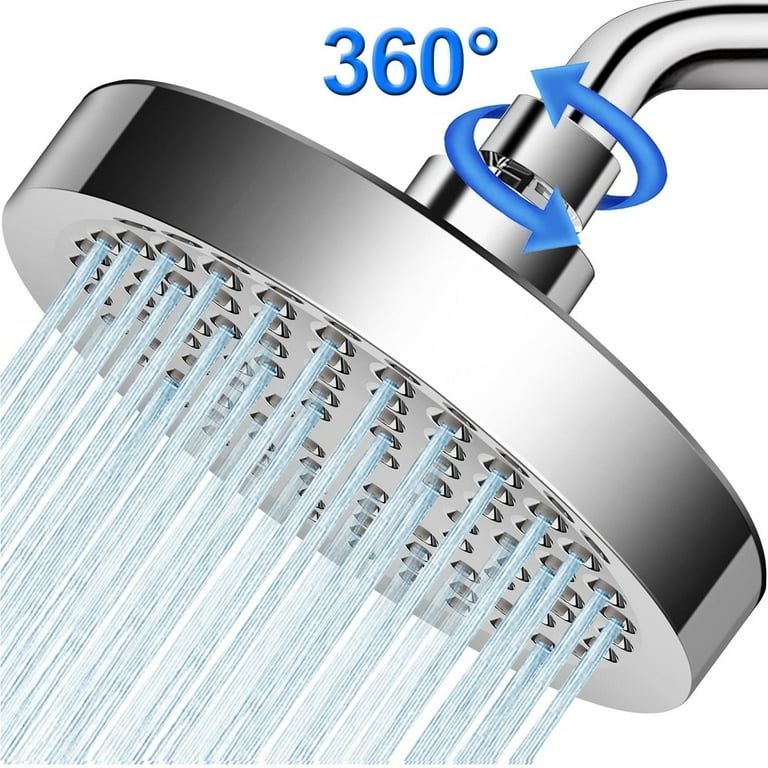
Credit: www.walmart.com
Lifespan Of Shower Head Buttons
Shower head buttons typically last between five to ten years, depending on usage and quality. Regular cleaning helps extend their lifespan. Consider replacing them if they become hard to press or malfunction.
Lifespan of Shower Head Buttons How long should you expect your shower head button to last? This is a question many homeowners ponder when considering bathroom upgrades or maintenance. The answer isn’t as straightforward as you might think, as the lifespan of a shower head button can vary widely depending on several factors.
1. Quality Of Materials
The quality of materials used in your shower head button plays a significant role in its longevity. Buttons made from high-grade metals or durable plastics tend to last longer than those made from cheaper alternatives. When purchasing, look for buttons that are known for their durability.
2. Frequency Of Use
How often do you and your family use the shower? Frequent use can lead to quicker wear and tear. A button in a shower used multiple times daily might not last as long as one used less frequently. It’s worth considering how this might impact the lifespan of your shower head button.
3. Maintenance And Care
Regular maintenance can extend the life of your shower head button. Simple tasks like cleaning and checking for any signs of wear can make a big difference. Have you considered setting a reminder to inspect your shower fixtures every few months?
4. Environmental Factors
The environment in which you live can also affect how long your shower head button lasts. Areas with hard water might see mineral buildup that can impact the button’s function. Installing a water softener could be a practical solution to this issue.
5. Installation Quality
Proper installation is crucial for the longevity of any bathroom fixture. A poorly installed shower head button can lead to premature failure. Always ensure that installation is done correctly, whether you’re doing it yourself or hiring a professional.
6. User Experience And Expectations
Ultimately, how satisfied are you with your shower head button? Sometimes, what seems like a short lifespan might just be a mismatch between product capabilities and user expectations. Reflecting on your needs can guide better purchase decisions in the future. In considering all these factors, it’s clear that the lifespan of a shower head button isn’t set in stone. What steps will you take to ensure yours lasts as long as possible?
Factors Affecting Durability
Have you ever wondered why some shower head buttons seem to last forever, while others break down in a flash? Well, it’s not just luck. Several factors play a crucial role in determining how long your shower head button will last. Let’s dive into these factors, and discover how you can make your bathroom experience more durable and enjoyable.
Material Quality
One key factor is the quality of materials used in the shower head button. Cheap plastic buttons might crack or wear out quickly, whereas those made from stainless steel or brass tend to withstand wear and tear better. Imagine investing in a high-quality button and enjoying years of hassle-free showers. It’s worth considering whether spending a bit more now could save you from frequent replacements.
Frequency Of Use
Think about how often you use your shower. If you have a large family or love long showers, your shower head button will be under more pressure. Buttons that are frequently used can wear out faster, especially if they aren’t designed for heavy use. Are you putting your shower head through a marathon every day, or is it more of a casual jog? Understanding your usage habits can help you choose a button that suits your lifestyle.
Maintenance Practices
Do you regularly clean and check your shower head button? Proper maintenance can significantly extend its lifespan. Simple practices like cleaning mineral deposits and inspecting for damage can prevent future issues. Picture yourself casually wiping down your shower head, ensuring everything is in top shape. It’s a small effort that can pay off big time.
Consider the last time you checked your shower head button. Could a little attention today save you from a costly replacement tomorrow? As you reflect on these factors, think about how they apply to your own bathroom setup. Are there changes you can make to improve the durability of your shower experience?
Signs Of Wear And Tear
Is your shower head button acting up? Understanding the signs of wear and tear can help you decide whether it’s time for a replacement. Shower head buttons are convenient, but like any tool, they can show signs of aging. Knowing what to look for can save you from unexpected cold showers or annoying leaks.
Decreased Functionality
Have you noticed your shower head button isn’t working as it used to? Maybe it takes more pressure to switch modes, or it doesn’t click smoothly. These are red flags indicating that the internal mechanism is wearing out. It’s frustrating when your shower routine becomes a battle, right? Consider this a cue to inspect your shower head.
Visible Damage
Visible damage is a clear sign that your shower head button might be on its last legs. Cracks, dents, or discolored surfaces aren’t just eyesores—they’re signs that the material is degrading. This can happen due to frequent use or exposure to harsh cleaning chemicals. Next time you’re cleaning, take a moment to inspect your shower head button.
Water Leakage
Water leakage is more than just a nuisance; it can lead to higher water bills and reduced water pressure. If you notice water trickling even when the button is off, it’s likely due to worn-out seals or gaskets. Have you ever wondered why your shower is still dripping after turning it off? It might be time to replace the button to prevent further water waste.
Keeping an eye on these signs can save you from costly repairs or replacements. What other signs have you noticed in your bathroom fixtures? Share your thoughts or experiences below!
Credit: www.walmart.com
How To Extend Lifespan
Shower head buttons are a convenient feature in modern bathrooms. Like any other fixture, they require care to ensure longevity. Proper maintenance can help extend the lifespan significantly. This involves several key practices, which are simple yet effective.
Regular Cleaning
Keep the shower head button clean. Mineral deposits can build up over time. Use a mixture of vinegar and water. Soak the shower head in this solution. Rinse thoroughly with clean water. This will prevent clogging and ensure smooth operation.
Proper Installation
Ensure the shower head button is installed correctly. Improper installation can lead to leaks or damage. Follow the manufacturer’s instructions carefully. Use the right tools for installation. Double-check the connections to ensure everything is secure.
Periodic Inspection
Inspect the shower head button regularly. Look for signs of wear and tear. Check for leaks or loose parts. Tighten any loose screws or connections. Replace worn-out components to prevent further damage. Regular inspections can catch issues early and extend lifespan.
When To Replace
Shower head buttons are crucial for a comfortable shower experience. Knowing when to replace them ensures optimal performance and satisfaction. Over time, these buttons may wear out or become less effective. Recognizing signs of wear and tear helps maintain your shower’s functionality.
Assessing Performance
Check the water flow and pressure regularly. A decrease may signal a worn-out button. Inspect the button for any visible damage or stiffness. Difficulty in pressing can indicate the need for replacement. Listen for unusual sounds during use. Clicking noises might suggest mechanical issues.
Cost-benefit Analysis
Evaluate the cost of a new shower head button. Compare it to potential repair expenses. A new button often offers better performance and longevity. Consider the energy efficiency of modern replacements. This can lead to savings on water bills. Weigh the benefits of improved shower experience against the costs.

Credit: www.amazon.com
Choosing Durable Options
Choosing a durable shower head button ensures long-lasting performance. A well-made button can withstand daily use and exposure to water. Consider durability when selecting a shower head button. It saves time and money in the long run.
Top Brands
Some brands are known for their durable shower head buttons. Moen offers reliable options that resist wear and tear. Kohler provides high-quality buttons that last for years. Delta is another brand that prioritizes durability in their designs. Hansgrohe is also a popular choice for long-lasting products.
Recommended Materials
Materials play a crucial role in the longevity of shower head buttons. Stainless steel is a top choice for its rust resistance. Brass is another durable option that withstands frequent use. Plastic can be durable if it’s high-quality and reinforced. Metal alloys often combine strength and resistance, making them excellent choices.
Frequently Asked Questions
How Often Should I Replace My Shower Head Button?
Shower head buttons typically last 2-5 years, depending on usage and water quality. Regular cleaning can extend their lifespan. If you notice leaks or reduced functionality, it may be time to replace the button. Always refer to the manufacturer’s guidelines for specific maintenance recommendations.
What Causes A Shower Head Button To Malfunction?
Mineral buildup, corrosion, or mechanical wear are common causes of malfunction. Hard water can accelerate mineral deposits, affecting button performance. Regular cleaning and maintenance can help prevent these issues. If problems persist, consider consulting the manufacturer’s support for further assistance.
Can I Fix A Leaking Shower Head Button?
Yes, you can often fix a leaking button. First, check for mineral buildup or worn-out seals. Cleaning the button and replacing faulty parts can resolve leaks. If the issue continues, consult a professional plumber or consider replacing the entire shower head.
How Can I Extend My Shower Head Button’s Lifespan?
To extend your shower head button’s lifespan, clean it regularly to prevent mineral buildup. Use a vinegar solution to dissolve hard water deposits. Replace worn-out seals promptly. Avoid excessive force when using the button to prevent mechanical wear. Follow the manufacturer’s maintenance guidelines for best results.
Conclusion
Shower head buttons last varying times based on use and quality. Regular cleaning extends their lifespan. Dirt and mineral buildup can cause buttons to fail. Consider replacing older models for better performance. A quality shower head choice ensures longer durability.
Check warranties for peace of mind. Maintenance tips can save money in the long run. Keep an eye on performance changes. A small investment now can prevent bigger costs later. Make informed decisions for a hassle-free shower experience. Enjoy refreshing showers without unexpected issues.
Always prioritize your comfort and convenience.

Home Improvement Specialist & Writer at HomeFixio
Caden Rutherford is a seasoned home improvement specialist with extensive hands-on experience in residential construction, renovations, and design. With a keen eye for detail and a passion for transforming spaces, Caden shares practical advice and expert solutions to enhance the functionality and beauty of homes. As a writer for HomeFixio, Caden combines technical knowledge with creative flair, providing readers with informative guides on everything from structural improvements to aesthetic upgrades, empowering homeowners to achieve their ideal living spaces.