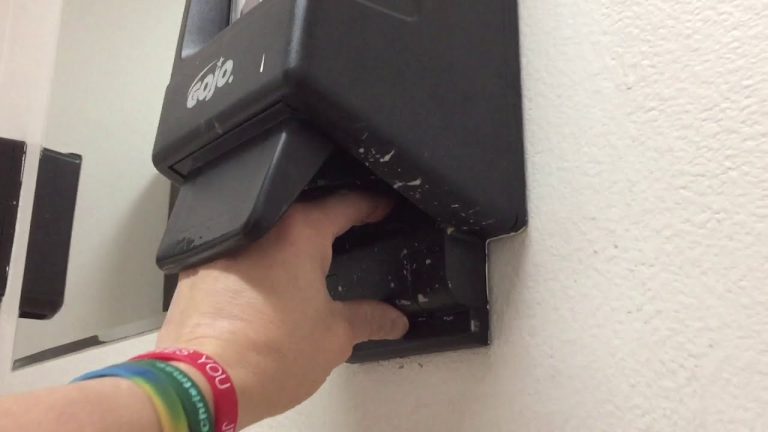
How to Fix a Foam Soap Dispenser: Quick Solutions
Struggling with a foam soap dispenser that just won’t work? You’re not alone.
It’s frustrating when a once-convenient tool becomes a source of irritation, especially when you’re juggling a busy schedule. Whether it’s your kitchen sink or bathroom counter, a broken dispenser can disrupt your routine and leave you feeling helpless. But don’t worry! Fixing a foam soap dispenser is easier than you think, and with a few simple steps, you can have it working like new.
Ready to reclaim the ease and cleanliness of a functioning dispenser? Let’s dive into practical solutions that will save you time and hassle, ensuring your hands stay fresh and clean without any fuss.

Credit: www.instructables.com
Common Issues With Foam Soap Dispensers
Foam soap dispensers often suffer from clogsand blockages. Small particles in the soap can cause this. Regular cleaning helps prevent these issues. Always rinse the dispenser parts with warm water. Soap build-up happens quickly. Check the nozzle for stuck soap. Use a toothpick to clear it. Avoid using thick soaps. They block the pump easily. Dilute soap with water for smooth flow. This keeps the dispenser working well.
Sometimes, the dispenser stops pumping soap. This can be due to air trapped inside. Pump the handle several times to release air. If this doesn’t work, check for loose parts. Tighten any loose screws. Check the soap level. Low soap can cause pumping issues. Refill the dispenser if needed. Make sure to use the correct soap type. Foam dispensers need special soap. Regular liquid soap might not work. This ensures the dispenser pumps properly.
Essential Tools And Materials
Start with warm water and soap. Use a clean cloth for wiping. Dish soap works well for cleaning. Vinegar can help remove residue. Baking soda is useful for tough spots. A toothbrush reaches small areas. Keep paper towels nearby. They help with drying. Rubbing alcohol is great for disinfecting.
You’ll need a screwdriver for opening parts. Pliers help with tight fittings. A small wrench can be handy. Glue or tape fix small leaks. Replacement parts may be necessary. Scissors cut packaging or tape. Tweezers hold small pieces. Rubber bands can secure loose parts. Lubricant helps with stuck buttons.
Step-by-step Troubleshooting
Soap can clog the nozzle. Remove the nozzle from the dispenser. Use warm water to clean it. Rub gently with a cloth. This will remove dirt and soap. Ensure it’s dry before reattaching. Check for blockages. This can help soap flow smoothly.
The pump moves soap out. If it doesn’t work, inspect it. Gently press the pump. Feel for resistance. If there’s none, it may be broken. Open the dispenser and look inside. Ensure parts are in place. Fix loose pieces. This may solve the problem.

Credit: www.reddit.com
Repair Techniques
Foam soap dispensers often get clogged. First, remove the pump. Rinse with warm water. This clears any soap residue. If water doesn’t work, use a needleto clean the nozzle. Be gentle. Avoid breaking the plastic. Soak the pump in a mix of water and vinegar. Vinegar dissolves stubborn clogs.
Sometimes, parts need changing. Start by checking the pump mechanism. If broken, replace it. Ensure you buy the right size. Look at the tube inside. A damaged tube won’t pump properly. Replace it if needed. Always check for leaks. Fix leaks with new seals. Seals keep the soap inside. A dispenser with good parts works well.
Preventative Maintenance Tips
Fixing a foam soap dispenser involves simple steps to ensure smooth operation. Start by cleaning the pump and nozzle to remove any blockages. Ensure the dispenser is filled with the correct soap-to-water ratio for optimal foaming action.
Regular Cleaning Routine
Foam soap dispensers need regular care. Clean the nozzle often. This stops blockages. Use warm water and gentle soap. Scrub gently with a soft brush. Rinse well to remove soap. Dry with a clean towel. This keeps the dispenser working well. A clean dispenser lasts longer. This also keeps the soap fresh.
Proper Storage Practices
Store foam soap dispensers in cool places. Avoid direct sunlight. Sun can harm the soap. Keep the dispenser away from heat sources. Heat can damage the dispenser. Close the lid tightly after use. This stops leaks and spills. A well-stored dispenser stays in good shape. Proper storage extends the life of the dispenser.
When To Seek Professional Help
Some problems with soap dispensers are hard to fix. These problems might need a professional. Leaking dispensers or those with broken parts often need expert care. If the soap does not come out at all, there might be an internal issue. These issues can be tricky. A professional can safely fix them.
Pick a service that many people trust. Read reviews to know if they do good work. Ask friends or family for recommendations. Compare prices to find a fair deal. Some services offer guarantees. This means they fix problems without extra cost. Always ask about this before hiring.

Credit: www.thediysecrets.com
Frequently Asked Questions
Why Is My Foam Soap Dispenser Not Working?
Your foam soap dispenser might be clogged or have air trapped inside. Check for blockages in the nozzle and clean it thoroughly. Ensure the soap level is adequate and the dispenser is tightly sealed. If the problem persists, consider replacing the pump mechanism for optimal functionality.
How Do I Unclog A Foam Soap Dispenser?
To unclog a foam soap dispenser, remove the nozzle and rinse it under warm water. Use a toothpick or similar tool to clear any debris. Reassemble the dispenser and test it. Regular maintenance can prevent future clogs and ensure smooth operation.
Can I Use Regular Soap In A Foam Dispenser?
Regular soap is too thick for foam dispensers. Dilute it with water in a 1:3 ratio for proper consistency. Ensure thorough mixing before refilling the dispenser. Using the correct soap consistency helps maintain the dispenser’s functionality and prevents clogs.
How Often Should I Clean My Foam Soap Dispenser?
Clean your foam soap dispenser every month to prevent clogs and maintain hygiene. Disassemble the parts and wash them with warm water. Regular cleaning ensures optimal performance and prolongs the dispenser’s lifespan, offering effective soap delivery.
Conclusion
Fixing a foam soap dispenser can be simple. Identify the problem first. Clean the nozzle regularly to prevent clogs. Check for any air leaks in the dispenser. Sometimes, replacing the pump is necessary. Ensure all parts fit snugly. Regular maintenance extends the dispenser’s life.
Avoid using thick soap not meant for foam dispensers. Proper care saves money and reduces waste. Now, enjoy hassle-free handwashing with your dispenser. Keep it clean, and it will work well. A little effort goes a long way. Happy handwashing!

Home Improvement Specialist & Writer at HomeFixio
Caden Rutherford is a seasoned home improvement specialist with extensive hands-on experience in residential construction, renovations, and design. With a keen eye for detail and a passion for transforming spaces, Caden shares practical advice and expert solutions to enhance the functionality and beauty of homes. As a writer for HomeFixio, Caden combines technical knowledge with creative flair, providing readers with informative guides on everything from structural improvements to aesthetic upgrades, empowering homeowners to achieve their ideal living spaces.