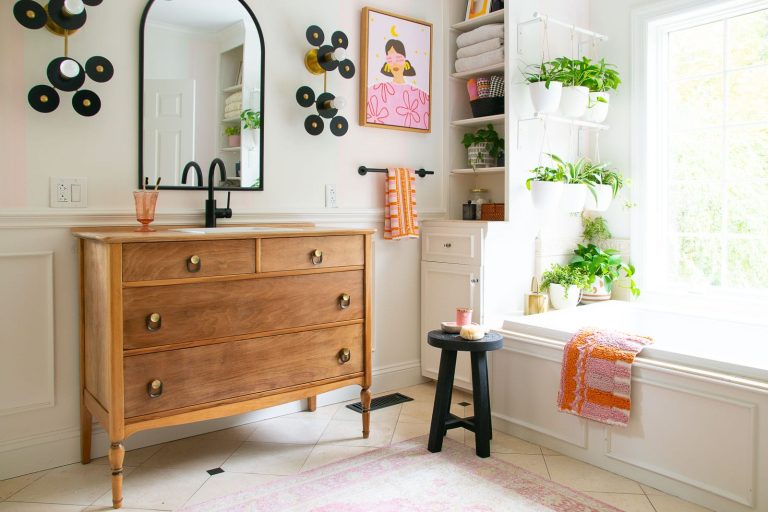
How to Raise a Bathroom Vanity: Expert DIY Tips
Are you tired of bending over uncomfortably every morning just to brush your teeth or wash your hands? Raising your bathroom vanity could be the simple, cost-effective solution you need.
Imagine transforming your daily routine into a more comfortable, ergonomic experience that makes your bathroom feel like a new space. In this guide, you’ll discover straightforward steps to elevate your vanity, enhancing both your comfort and the aesthetics of your bathroom.
We’ll break down the process into easy-to-follow sections, ensuring you can tackle this project confidently, even if you’re new to DIY home improvements. Get ready to say goodbye to backaches and hello to a bathroom setup that truly works for you.

Credit: www.reddit.com
Tools And Materials Needed
Raising a bathroom vanity can transform the space by adding style and functionality. But before diving into the task, it’s crucial to gather the right tools and materials. Having everything on hand not only saves time but also ensures the project runs smoothly. Let’s delve into what you’ll need to get started.
Essential Tools
- Level:Ensures your vanity is perfectly horizontal. Nobody wants a lopsided sink!
- Drill:A reliable drill is essential for attaching the vanity to the wall securely.
- Measuring Tape:Accuracy is key. Measure twice, cut once, as they say.
- Adjustable Wrench:Handy for plumbing adjustments.
- Screwdriver Set:Different screws require different screwdrivers; a set covers all bases.
These tools are the backbone of your project. Having them ready can make the difference between a seamless process and a frustrating one. Remember the time you tried hanging a picture without a level? The same principle applies here.
Material Checklist
- Wood or Metal Brackets:Used for support when raising the vanity.
- Shims:Perfect for leveling the vanity if your floor is uneven.
- Caulk:Seals any gaps, preventing water damage.
- New Vanity Legs or Base:Provides the necessary height adjustment.
- Paint or Finish:For a polished look that matches your bathroom’s aesthetic.
Think about your bathroom’s style. Do the materials match? Choosing the right finish can tie the entire room together, making the vanity look like it was always meant to be at its new height. Have you ever noticed how a small change in decor can make a space feel completely new?
Before starting, ask yourself: Do you have everything you need to avoid multiple trips to the hardware store? Preparation is key. With the right tools and materials, you’re not just raising a vanity—you’re elevating your bathroom experience.
Preparing Your Workspace
Before raising a bathroom vanity, ensure your workspace is ready. A well-prepared area makes the job easier and safer. It also helps prevent damage to your bathroom. Follow these steps to set up your workspace effectively.
Clearing The Area
Start by removing all items around the vanity. Take out toiletries, decorations, and any other objects. This will give you more space to work. It also prevents things from falling or breaking. Next, remove rugs or mats from the floor. This helps avoid tripping hazards. Make sure the floor is clean and dry. A tidy workspace improves efficiency.
Safety Precautions
Always prioritize safety when working on home projects. Wear protective gloves to guard your hands. Use safety goggles to protect your eyes from dust. Ensure you have the right tools for the job. Double-check that tools are in good condition. Unplug any electrical devices nearby. This prevents accidents and electrical hazards. Keep a first aid kit nearby for emergencies.
Removing The Existing Vanity
Removing an existing bathroom vanity can be a straightforward task. It requires some basic tools and patience. This step sets the foundation for raising your bathroom vanity. By following a few simple steps, you will have the old vanity out in no time.
Detaching Plumbing Fixtures
Start by turning off the water supply. Locate the valves under the sink. Twist them clockwise to shut off the flow. Next, disconnect the water lines. Use a wrench to loosen the nuts. Carefully pull the pipes away. A small amount of water might spill. Keep a towel handy to catch any drips. Then, remove the drain pipe. Unscrew it from the sink and wall. This separates the vanity from the plumbing system.
Unscrewing The Vanity
Check for screws holding the vanity to the wall. Use a screwdriver to remove them. Some vanities have brackets. Detach these with care. Lift the vanity top if it’s not attached. You may need help for this step. Gently pull the cabinet away from the wall. Ensure all screws and nails are removed. If the vanity is stuck, use a utility knife. Cut through any caulk or sealant. This will loosen the vanity.

Credit: www.remodelaholic.com
Building A Base Platform
Building a base platform is crucial for raising a bathroom vanity. A sturdy platform ensures stability and enhances the overall appearance. This process involves precise measurements and careful assembly, transforming the vanity into a functional and stylish piece.
Measuring And Cutting Wood
Accurate measurements are essential for a solid base. Begin by measuring the vanity’s width and depth. Use a tape measure for precision. Write down these dimensions. Next, decide the desired height increase. Add this to your measurements. Select quality wood that matches your bathroom decor. Use a saw to cut the wood pieces according to the dimensions. Double-check the measurements before cutting. This prevents any errors and ensures a perfect fit.
Assembling The Platform
Start by laying out the cut wood pieces. Arrange them in the shape of the base. Use wood glue to join the pieces. Apply glue on the edges. Press them together firmly. Wait for the glue to set. Once dry, strengthen the joints with screws. Use a drill for this task. Space the screws evenly for balanced support. Ensure the platform is sturdy and level before placing the vanity on top. Test the stability by gently applying pressure.
With these steps, you’ll have a well-built base platform. This will elevate the vanity and enhance your bathroom’s look. Enjoy the transformation!
Reattaching The Vanity
Reattaching the vanity to its new base can seem daunting at first, but with a little guidance, it’s entirely manageable. This step is crucial because it determines the stability and functionality of your bathroom vanity. Think of it as aligning the foundation of your home—you want it solid and reliable. Let’s dive into positioning the vanity and securing it firmly.
Positioning On The New Base
Before you start, ensure the new base is leveled correctly. Use a level tool to check for any discrepancies. A sturdy base will make all the difference. Once the base is ready, it’s time to position your vanity.
Lift the vanity carefully and place it onto the new base. This might require a second pair of hands. Having someone to help ensures the vanity is placed precisely without tilting or imbalance.
Is the vanity aligned with the wall plumbing? Adjust its position until everything lines up perfectly. Misalignment can lead to plumbing issues later. Take a moment to double-check and save yourself future headaches.
Securing The Vanity
With the vanity in place, it’s now time to secure it. Begin by attaching it to the wall using screws. This keeps it from wobbling or shifting. Make sure the screws are tight but not overly forced.
Consider using brackets for added support. They provide extra stability, especially in homes where the bathroom floor might have slight shifts. It’s a small investment for peace of mind.
Finally, check that all connections are snug. A loose vanity can lead to water damage and costly repairs. What steps can you take now to ensure everything is safe and sound?
Reattaching the vanity doesn’t have to be a chore. With the right approach, you’ll enjoy a sturdy and stylish addition to your bathroom. Embrace the process and make it a rewarding experience.
Adjusting Plumbing Connections
Elevate your bathroom vanity by adjusting plumbing connections carefully. Ensure pipes are securely aligned to prevent leaks. Proper alignment helps maintain functionality and avoids unnecessary damage to your bathroom setup.
Adjusting the plumbing connections is a crucial step when raising a bathroom vanity. It might seem daunting at first, but with careful attention to detail, you can ensure everything functions smoothly. This process involves making sure the water lines and drainage are correctly aligned with your newly elevated vanity.Extending Water Lines
Raising your vanity often means your water lines need to be extended. To do this, measure the additional height your vanity will gain. Purchase flexible water line extensions that match your existing setup. Flexible extensions are preferred because they’re easier to adjust and install. Shut off the water supply before disconnecting the existing lines. Then, attach the new extensions securely, checking for any leaks once the water supply is turned back on.Ensuring Proper Drainage
With the vanity raised, the drainage needs adjustments too. A misaligned drain can lead to leaks or slow drainage. Measure the new position of the sink relative to the drainpipe. Use a PVC pipe extension or an adjustable P-trap to bridge the gap between the sink and the drain. Make sure all joints are sealed tightly to prevent leaks. Consider testing the drainage by running water to ensure it flows smoothly. Have you ever faced the frustration of a slow-draining sink? Proper alignment can be the key to avoiding this common issue. Ensure that all components are fitted snugly, and remember to check the connections regularly for any signs of wear or leaks. By paying attention to these details, you ensure your bathroom remains a functional and pleasant space. If you’re unsure at any step, consulting a professional can save you from potential mishaps. How do you plan to manage these adjustments? Share your thoughts or experiences in the comments!Finishing Touches
Elevating a bathroom vanity can enhance both functionality and style. Adjusting the height involves tools and careful planning. Ensure stability and proper alignment for a seamless finish.
Transforming your bathroom by raising the vanity can be a rewarding project. However, the real charm lies in the finishing touches. These details enhance the vanity’s aesthetics and ensure its longevity. Dive into the final steps, where precision and creativity meet to elevate your bathroom’s style.Caulking And Sealing
Ensure your vanity is properly sealed to prevent moisture damage. Use a waterproof caulk along the edges where the vanity meets the wall and floor. This step not only protects but also gives your bathroom a polished look. Select a caulk that matches your vanity and tiles for a seamless appearance. Carefully apply it in a steady line, smoothing it with your finger or a caulking tool. This small touch can make a significant difference in maintaining your vanity’s condition. Think about those small gaps that might let water sneak in. Caulking them keeps your vanity safe and looking new. Plus, it’s a quick task that offers long-term benefits.Painting Or Staining
Decide whether to paint or stain your vanity to match your bathroom’s theme. Painting allows you to choose vibrant colors, while staining highlights the natural wood grain. Both options can drastically change the room’s feel. If painting, consider using a primer to ensure the paint adheres well. Choose a high-quality paint that withstands moisture and frequent cleaning. This attention to detail ensures your vanity remains vibrant over time. Staining requires choosing the right finish to enhance the wood’s beauty. Apply the stain evenly and consider using a sealant for added protection. This adds depth and richness to your vanity, making it a centerpiece in your bathroom. Have you ever noticed how a fresh coat of paint or stain can transform a room? Your vanity is no different. These finishing touches provide the final flourish that ties your bathroom’s aesthetic together.Maintenance Tips
Maintaining a bathroom vanity is essential for its longevity. Regular care keeps it looking new and prevents damage. These simple tips will ensure your vanity remains sturdy and beautiful.
Regular Cleaning
A clean vanity enhances the bathroom’s appearance. Dust and grime can accumulate quickly. Wipe surfaces weekly with a damp cloth. Use mild soap to remove stubborn spots. Avoid harsh chemicals that can damage finishes. Clean mirrors with glass cleaner for a streak-free shine. Regular cleaning prevents mold and mildew from forming.
Checking For Leaks
Leaks can cause significant damage. Inspect the vanity for water spots or drips. Check under the sink and around faucets. Tighten loose connections to prevent leaks. Replace worn-out washers and seals promptly. Leaks can lead to costly repairs if ignored. Regular checks ensure the vanity remains in good condition.

Credit: www.youtube.com
Frequently Asked Questions
How Can I Raise My Bathroom Vanity Height?
To raise your bathroom vanity, use vanity risers or install a platform. This increases the height for comfort and style. Ensure the plumbing connections remain secure. Consider consulting a professional for complex adjustments. Always measure accurately before making modifications to avoid issues.
What Tools Are Needed To Raise A Vanity?
You’ll need basic tools like a drill, screwdriver, and level. Additional tools may include a saw for custom platforms and a wrench for plumbing adjustments. Having a measuring tape is crucial for accuracy. Safety gear like gloves and goggles are also recommended.
How Do I Adjust Plumbing For A Raised Vanity?
Adjusting plumbing involves extending the water supply lines and drain pipes. Use pipe extenders or flexible connectors for ease. Ensure all connections are secure to prevent leaks. Turn off the water supply before starting any adjustments. Consulting a plumber can ensure a professional finish.
Are There Height Regulations For Bathroom Vanities?
There are no strict height regulations, but standard vanities are typically 32 to 36 inches tall. Consider accessibility needs, especially for children or individuals with disabilities. Custom heights can be tailored to personal preference. Always ensure the height is comfortable for regular use.
Conclusion
Raising a bathroom vanity can transform your space. It’s easier than you think. Follow the steps carefully. Measure accurately and gather the right tools. Safety first. Ask for help if needed. Double-check your work. Enjoy the new look and added storage.
A raised vanity adds elegance and function. Your bathroom feels fresh and updated. You’ve done a great job! Now, maintain it well for long-lasting results. Keep exploring ways to enhance your home. Each small change makes a difference. Enjoy your improved bathroom space.

Home Improvement Specialist & Writer at HomeFixio
Caden Rutherford is a seasoned home improvement specialist with extensive hands-on experience in residential construction, renovations, and design. With a keen eye for detail and a passion for transforming spaces, Caden shares practical advice and expert solutions to enhance the functionality and beauty of homes. As a writer for HomeFixio, Caden combines technical knowledge with creative flair, providing readers with informative guides on everything from structural improvements to aesthetic upgrades, empowering homeowners to achieve their ideal living spaces.