What are School Bathroom Sinks Made Out of: Materials Uncovered
Have you ever stopped to wonder about the materials used in the school bathroom sinks you encounter daily? It might not be something you think about often, but understanding what these sinks are made of can be surprisingly intriguing.
Whether you’re a curious student, a concerned parent, or a dedicated school administrator, knowing the materials used in these sinks can offer insights into their durability, maintenance needs, and overall safety. This knowledge can even influence decisions on school upgrades or renovations.
Stick around to discover the secrets behind what makes school bathroom sinks not only functional but also safe and reliable for everyday use.
Common Materials Used
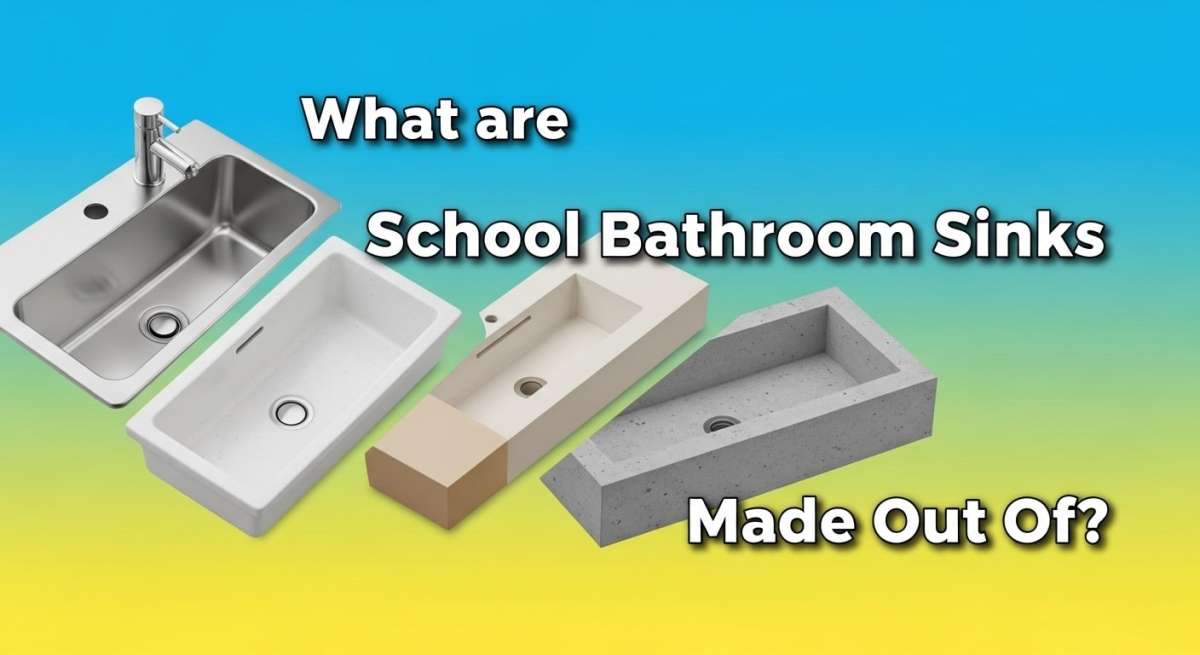
School bathroom sinks are essential fixtures that must endure heavy use. The choice of materials is crucial for durability and hygiene. Let’s explore some common materials used in school bathroom sinks.
Porcelain
Porcelain is a popular choice for school bathroom sinks. It offers a smooth and glossy finish. This material is resistant to stains and easy to clean. Porcelain sinks also provide a timeless and classic look. They are often found in various colors and styles. The durability of porcelain makes it ideal for busy school environments.
Stainless Steel
Stainless steel is known for its strength and resistance to rust. It is a top choice for school bathroom sinks. This material is easy to maintain and can withstand heavy use. Stainless steel sinks resist bacteria growth, making them hygienic. They also have a sleek and modern appearance. Their durability and functionality make them perfect for schools.
Solid Surface
Solid surface sinks offer a seamless and uniform look. They are made from a blend of acrylic and resin. This material is non-porous and resists stains and bacteria. Solid surface sinks can be molded into various shapes and sizes. They are durable and can be easily repaired if scratched. Their versatility makes them a smart choice for school bathrooms.
Durability And Maintenance
School bathroom sinks are an unsung hero in the daily life of students. They withstand a considerable amount of wear and tear, demanding materials that offer both durability and ease of maintenance. Understanding the qualities that make these sinks robust can offer insights into their longevity and upkeep. Let’s delve into how these sinks are designed to resist the rigors of daily use.
Resistance To Wear
Sinks in school bathrooms are often made from materials like stainless steel or solid surface composites. These materials are chosen for their ability to resist scratches, dents, and other signs of wear. Imagine the constant hustle of students rushing in and out, sometimes treating the sink area as a mini racetrack. These durable materials ensure that the sinks maintain their appearance despite such bustling activity.
Have you ever noticed how some sinks look brand new, even after years of use? That’s the magic of resistance to wear. By choosing materials that can handle frequent use without showing signs of damage, schools can save money on replacements and repairs.
Ease Of Cleaning
School bathroom sinks need to be easy to clean. Materials like porcelain and stainless steel are popular because they don’t harbor germs and can be wiped down quickly. This is crucial in maintaining hygiene, especially in a school environment where cleanliness can affect student health.
Think about how often you touch surfaces throughout the day. Easy-to-clean sinks reduce the spread of germs, keeping students healthy. Next time you’re in a school bathroom, take a moment to appreciate the thought that goes into selecting materials that simplify cleaning.
Longevity
The longevity of school bathroom sinks is directly linked to the materials used. Sinks made from high-quality composites or stainless steel can last decades, enduring the daily barrage of student use. This longevity is not just about saving money but also about reducing waste and environmental impact.
Have you ever wondered why some schools don’t replace their bathroom fixtures frequently? It’s because they invest in materials that promise extended life. By choosing durable options, schools make a sustainable choice that benefits both the environment and their budget.
Aesthetic Considerations
When considering school bathroom sinks, aesthetics play a crucial role in creating an inviting and functional space. You might not think much about it, but the design and look of these sinks can significantly impact the overall ambiance of the bathroom. They need to be both practical and visually appealing, ensuring they complement the environment while meeting the needs of students and staff.
Design And Color Options
School bathroom sinks come in a variety of designs and colors to suit different aesthetic preferences. Some schools opt for sleek, modern designs with clean lines and neutral colors to maintain a minimalist look. Others may choose vibrant colors to add a pop of personality to the space, making it more engaging for students. What color or design do you think would make a bathroom more inviting?
Color can be a powerful tool in creating an inviting atmosphere. Bright blues and greens can evoke a sense of calm and cleanliness, while bold reds and oranges might energize the space. The choice of color can also be influenced by the school’s branding or thematic elements, ensuring a cohesive look throughout the premises.
Integration With Bathroom Decor
Sinks should seamlessly integrate with the overall bathroom decor, creating a harmonious environment. This means considering the style of the faucets, mirrors, and even the tiles used in the space. A mismatch can disrupt the flow, making the bathroom feel disjointed and unwelcoming. Have you ever stepped into a bathroom that felt like it didn’t belong to the rest of the building?
To achieve a cohesive look, schools may opt for sinks that mirror the materials used in other bathroom fixtures. Stainless steel sinks can complement modern chrome fixtures, while ceramic sinks might pair well with traditional porcelain elements. The key is consistency in style and material.
Ultimately, the aesthetic considerations of school bathroom sinks are about creating a space that feels welcoming and comfortable for everyone. By paying attention to design and decor, schools can enhance the overall experience of their bathrooms, making them not just functional spaces but also visually pleasing ones.
Environmental Impact
Understanding the environmental impact of school bathroom sinks is crucial. These sinks contribute to the overall ecological footprint of educational institutions. The materials used in their construction can affect sustainability and waste management. Schools should consider these factors to promote eco-friendly practices.
Sustainability Of Materials
Many school bathroom sinks are made from ceramic, stainless steel, or plastic. Ceramic sinks come from natural clay, which is abundant and renewable. Stainless steel is durable and can withstand heavy use, reducing the need for replacements. Plastic sinks are lighter and often cheaper, but they pose sustainability challenges.
Choosing the right material impacts the environment. Ceramic and stainless steel are more sustainable in the long run. They have longer lifespans and require less frequent replacements. This reduces material waste and energy consumption in manufacturing new sinks.
Recycling And Disposal
The disposal of sinks also affects the environment. Ceramic sinks can often be crushed and repurposed. They may serve as construction fill or landscaping material. Stainless steel can be recycled efficiently. It can be melted down and reused in various products.
Plastic sinks present more challenges. They can contribute to landfill waste if not properly managed. Recycling programs for plastics vary, and not all types can be recycled. Schools should consider these factors when choosing sink materials. Recycling and proper disposal can minimize environmental impact.
Cost Factors
Understanding the cost factors of school bathroom sinks is important. Choosing the right materials impacts both budget and long-term value. Schools need to consider initial installation costs and future maintenance. Let’s explore these cost factors in detail.
Initial Installation Costs
Initial installation costs vary based on sink materials. Stainless steel sinks are durable but can be expensive upfront. Ceramic sinks offer a budget-friendly option. They’re often easier to install. Installation requires professional plumbing services. This adds to the overall cost. Consider the sink size and design. These factors influence installation complexity and expenses.
Long-term Value
Long-term value is crucial when selecting bathroom sinks. Stainless steel sinks last longer. They resist stains and scratches, reducing replacement needs. Ceramic sinks require regular maintenance. They might chip or crack over time. Choose materials that align with your school’s budget and maintenance capacity. Investing in quality materials pays off by reducing future repair costs.
Innovative Alternatives
School bathroom sinks are commonly made from porcelain or stainless steel. These materials are durable and easy to clean. Porcelain offers a classic look, while stainless steel provides a modern feel.
School bathroom sinks are evolving with new materials. These innovations aim to improve sustainability and durability. Traditional materials like porcelain and stainless steel are common. But, newer options offer unique benefits.Eco-friendly Options
Eco-friendly sinks use recycled and sustainable materials. These options reduce environmental impact. For instance, sinks made from recycled glass can be stylish and green. Bamboo is another eco-friendly material. It grows quickly, making it a sustainable choice.Advanced Material Technologies
Advanced materials enhance sink performance. Solid surface materials resist bacteria. This is important in schools where hygiene matters. Another option is engineered stone. It combines natural stone with resins for durability. These materials offer a modern look. They also withstand heavy use, perfect for schools.Frequently Asked Questions
What Materials Are Used In School Bathroom Sinks?
School bathroom sinks are commonly made from durable materials like stainless steel, porcelain, and solid surface. Stainless steel is known for its resistance to rust and stains. Porcelain offers a classic look and is easy to clean. Solid surface materials provide seamless designs and are resistant to bacteria and mold.
Why Choose Stainless Steel For School Sinks?
Stainless steel is popular for school sinks due to its durability and resistance to corrosion. It can withstand heavy usage and frequent cleaning, making it ideal for high-traffic areas. Its sleek appearance and easy maintenance make it a preferred choice for institutions prioritizing hygiene and longevity.
Are Porcelain Sinks Suitable For Schools?
Porcelain sinks are suitable for schools because they are easy to clean and maintain. Their smooth surface prevents the buildup of bacteria, contributing to a hygienic environment. They are also aesthetically pleasing, offering a classic look that fits well in various restroom designs.
Do Solid Surface Sinks Resist Damage?
Solid surface sinks are designed to resist damage from daily use. They are non-porous, which means they are resistant to stains, scratches, and bacterial growth. Their seamless design allows for easy cleaning and maintenance, making them a practical choice for school bathrooms.
Conclusion
Understanding school bathroom sinks is important for hygiene and durability. Most sinks use materials like stainless steel, porcelain, or solid surface. These materials ensure easy cleaning and long-lasting use. Schools choose these materials for safety and cost-effectiveness. Stainless steel resists germs and scratches.
Porcelain offers a classic look and resilience. Solid surface provides versatile design options. Each material serves specific needs and budget considerations. Schools prioritize sink materials to maintain cleanliness and functionality. So, next time you see a school sink, appreciate the thought in its design and choice of material.

Home Improvement Expert & Senior Writer at HomeFixio
Reed Atwood is a seasoned home improvement expert with a passion for transforming everyday living spaces into functional and stylish havens. With years of experience in DIY projects, renovations, and home upgrades, Reed brings a wealth of knowledge to HomeFixio. As a senior writer, he provides readers with practical, easy-to-follow guides, expert tips, and innovative solutions for every room in the house. His goal is to empower homeowners to tackle their projects with confidence, ensuring both quality results and a rewarding experience.