How Long Does It Take to Learn Blender: Quick Guide
Are you eager to dive into the world of 3D modeling and animation? Wondering just how long it might take you to learn Blender, the popular open-source software?
You’re not alone. Many beginners, like yourself, are curious about the learning curve and the time investment required to master this powerful tool. Whether you’re aiming to create stunning visual effects, design intricate models, or animate characters that leap off the screen, understanding the timeline can help set realistic expectations and boost your motivation.
We’ll explore the factors that influence how quickly you can become proficient in Blender. Imagine unlocking the door to endless creative possibilities, where your ideas can come to life in vivid detail. By the end, you’ll have a clearer vision of the path ahead and feel inspired to start your Blender journey today. So, let’s get into the details and help you figure out just how long it will take to harness the full potential of Blender.
Understanding Blender Basics
Understanding Blender basics is crucial for anyone looking to master this powerful 3D creation software. At first glance, Blender’s interface may seem overwhelming, but with a little guidance, you’ll find it intuitive and user-friendly. Getting comfortable with the core features and tools is the key to unlocking your creativity.
Interface And Navigation
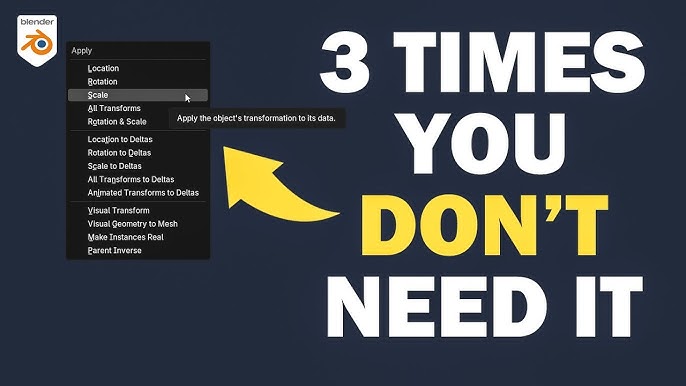
Blender’s interface is designed to be highly customizable. You’ll notice the workspace is divided into panels, each serving a specific function. It’s worth spending time rearranging them to suit your workflow.
The navigation in Blender is a breeze once you get the hang of it. Use the middle mouse button to rotate your view, and the scroll wheel to zoom in and out. Keyboard shortcuts like ‘G’ for grab and ‘S’ for scale make editing faster.
Think of the interface as your digital canvas. The more time you spend exploring, the more intuitive it becomes. Have you ever rearranged your workspace to enhance productivity?
Core Features And Tools
At the heart of Blender are its versatile features. The ‘Modifiers’ tab, for instance, allows you to make non-destructive changes to your models. Experimenting with modifiers can lead to surprising results.
Another essential tool is the ‘Shader Editor’. Here, you can craft materials that add realism to your creations. Playing with nodes might feel like a puzzle, but it’s a rewarding process.
Remember, the key is consistency. Regular practice with Blender’s core tools can significantly shorten your learning curve. What features have you found most helpful in bringing your ideas to life?
Factors Influencing Learning Time
Learning Blender can be a fun and rewarding journey. The time it takes to learn Blender varies for each person. Several factors influence how quickly you can grasp this powerful 3D software. Understanding these factors can help set realistic expectations.
Prior Experience
Your background in similar software plays a significant role. If you have used other 3D programs, you may find Blender easier to learn. Experience with design tools like Photoshop or Illustrator can also help. Familiarity with graphic design principles can speed up the learning process.
Learning Resources
The quality of your learning resources is crucial. Online tutorials, video courses, and forums can accelerate your progress. Choose resources that match your skill level. Beginner-friendly guides can provide a solid foundation. Advanced tutorials can help you tackle complex projects.
Time Commitment
The amount of time you dedicate impacts your learning speed. Consistent practice is key. Daily practice, even for short periods, leads to faster improvement. Allocating focused time slots can make a big difference. Balancing practice with other responsibilities is important.
Beginner Learning Timeline
Learning Blender can be a rewarding journey. For beginners, understanding the timeline helps set clear expectations. Progress varies with personal dedication and learning methods. Here’s a breakdown of the beginner learning timeline.
First Week: Getting Started
The first week is all about familiarization. Install Blender and explore its interface. Spend time navigating menus and panels. Watch introductory tutorials to grasp basic concepts. Learn essential tools and shortcuts. Practice simple tasks like moving objects and basic modeling. This week builds a foundation for future skills.
First Month: Building Skills
By the end of the first month, skills start developing. Focus on mastering core functions. Work on creating simple models and scenes. Experiment with textures and lighting. Join online communities for support and feedback. Consistent practice improves confidence and proficiency. Documenting progress helps track growth and areas needing improvement.
Intermediate Skill Development
Reaching an intermediate skill level in Blender requires patience and practice. At this stage, you will move beyond basic tasks. You will begin to explore more complex features. This involves refining your skills and expanding your knowledge base.
Expanding Knowledge
Intermediate skill development involves diving deeper into Blender’s tools. You will learn about modifiers and how they change your models. Understanding textures and materials becomes important. This knowledge allows you to create more realistic renders. It’s also a good time to explore Blender’s rigging and animation tools. These tools help bring your models to life.
Project-based Learning
Project-based learning boosts your growth as an intermediate user. Start by choosing small projects. They should challenge your current skill level. These projects can range from simple objects to complex scenes. The goal is to apply what you’ve learned. You will also face new challenges. This hands-on experience strengthens your problem-solving skills.
Working on projects allows you to experiment. You can try different techniques and discover what works best. This approach makes learning Blender more enjoyable. It also builds your confidence as you see your progress over time.
Advanced Mastery Stages
Reaching advanced mastery in Blender takes dedication and time. This stage is where users refine their skills and explore complex techniques. It involves pushing boundaries and creating highly detailed projects. Understanding different aspects of Blender becomes crucial. Let’s explore the paths in advanced mastery.
Specialization Options
Advanced mastery offers various specialization options. Users can focus on modeling, texturing, or animation. Each path requires specific skills and knowledge. Specializing allows users to deepen expertise in a particular area. It helps in producing high-quality and realistic outputs. Users can choose based on their interests and career goals.
Industry-level Proficiency
Industry-level proficiency means creating content that meets professional standards. It involves understanding complex workflows and tools. Users need to stay updated with industry trends and techniques. Collaboration with others becomes important. Feedback and critiques help refine work quality. Achieving this level opens doors to career opportunities. It requires continuous learning and practice.
Credit: medium.com
Tips For Efficient Learning
Learning Blender can be a thrilling journey, but it often raises questions about efficiency. How can you maximize your learning experience without feeling overwhelmed? Here are some tips for efficient learning that will help you master Blender faster and with greater confidence. Dive into practical techniques and community support that will propel your Blender skills to new heights.
Effective Practice Techniques
Practice makes perfect, but how you practice can make all the difference. Set specific goals for each session. Are you focusing on modeling, texturing, or animation? By narrowing your focus, you can hone specific skills without spreading yourself too thin.
Break down complex tasks into manageable chunks. Tackling small parts of a project can prevent burnout and make learning more enjoyable. Consider creating short projects like a simple model or a basic animation to build confidence.
Experiment with different techniques and tools available in Blender. By exploring various features, you’ll gain a deeper understanding of the software and discover methods that suit your style.
Utilizing Online Communities
Joining online communities can be a game-changer for your Blender learning journey. Platforms like Reddit, Discord, and Blender Artists offer spaces to connect with fellow Blender enthusiasts. Share your work, seek feedback, and learn from others’ experiences.
Don’t hesitate to ask questions. Community members often provide valuable insights and solutions to challenges you might face. Engaging with others can broaden your perspective and introduce you to new techniques.
Participate in online challenges or collaborations. These opportunities not only boost your skills but also expand your network. You’ll find yourself learning faster and more effectively when surrounded by like-minded individuals.
Have you ever learned something unexpected from a community interaction? Embracing the collective wisdom can lead to breakthroughs you never anticipated.
Common Challenges And Solutions
Learning Blender can be an exciting journey, but it’s not without its challenges. Many beginners find themselves grappling with technical hurdles and struggling to maintain motivation. However, with the right strategies, you can overcome these obstacles and advance your skills effectively. Let’s explore some common challenges and solutions that can help you on your Blender learning path.
Overcoming Technical Hurdles
One of the main challenges when learning Blender is its complex interface. The myriad of tools and features can be overwhelming. To tackle this, start by familiarizing yourself with the basics. Focus on learning the essential shortcuts and tools that you will use frequently.
Another technical issue can be understanding the workflow for different projects. Create small, manageable projects where you can apply new skills, like modeling a simple object or creating a basic animation. This hands-on practice will solidify your understanding and make the learning process smoother.
Consider joining online communities or forums where experienced users share tips and solutions. Engaging with others can provide insights and ideas that you might not discover on your own.
Staying Motivated
Keeping your motivation high is crucial for learning Blender effectively. It’s easy to feel discouraged when progress seems slow. Set clear, achievable goals for each learning session to keep yourself focused and motivated.
Celebrate small victories. Every new skill you master is a step forward. Share your creations with friends or online communities to receive constructive feedback and encouragement.
Ask yourself: What sparked your interest in Blender? Whether it’s creating stunning visuals or exploring 3D art, keep that passion alive by revisiting your original inspiration. This can reignite your enthusiasm and drive.
Credit: www.reddit.com

Credit: www.youtube.com
Frequently Asked Questions
Is Blender Tough To Learn?
Blender can be challenging initially due to its complex interface and numerous features. With practice and tutorials, it becomes easier. Users often find mastering its tools rewarding, enabling creativity and 3D design. Beginners should start with simple projects to build confidence and gradually explore advanced functions.
Can I Learn Blender In 3 Months?
Yes, you can learn Blender basics in 3 months with consistent practice. Focus on tutorials and practice daily. Use online resources and community forums for support. Regularly challenge yourself with small projects to enhance your skills.
Can I Learn Blender On My Own?
Yes, you can learn Blender on your own. Utilize online tutorials, courses, and community forums. Practice consistently to improve your skills. Blender’s user-friendly interface and vast resources make self-learning accessible. Start with basic projects to build confidence and gradually tackle advanced techniques.
Stay motivated and dedicated for best results.
Is Blender Harder To Learn Than After Effects?
Blender can be harder to learn than After Effects. Blender offers complex 3D modeling features. After Effects focuses on 2D animation and compositing, which can be simpler. Learning difficulty depends on your background and goals. Both require time and dedication to master.
Conclusion
Blender learning takes time, but it’s worth it. Start small. Focus on basics first. Gradually increase complexity. Practice regularly to build skills. Online tutorials can help a lot. Experiment with projects. Mistakes are learning opportunities. Patience is key. Everyone learns at a different pace.
Keep your goals in mind. Enjoy the process. Your skills will grow over time. Stay curious and keep exploring. Blender’s possibilities are vast. Enjoy your journey in 3D modeling.

Home Improvement Expert & Senior Writer at HomeFixio
Eliot Granger is a seasoned home improvement expert with years of experience transforming living spaces. Specializing in everything from kitchen renovations to bathroom upgrades, Eliot shares his knowledge through practical, insightful articles. His passion for creating functional, beautiful homes drives him to offer expert tips and solutions for every corner of your house. As a trusted writer for HomeFixio, Eliot is dedicated to helping homeowners make informed decisions and achieve precision in their projects.