
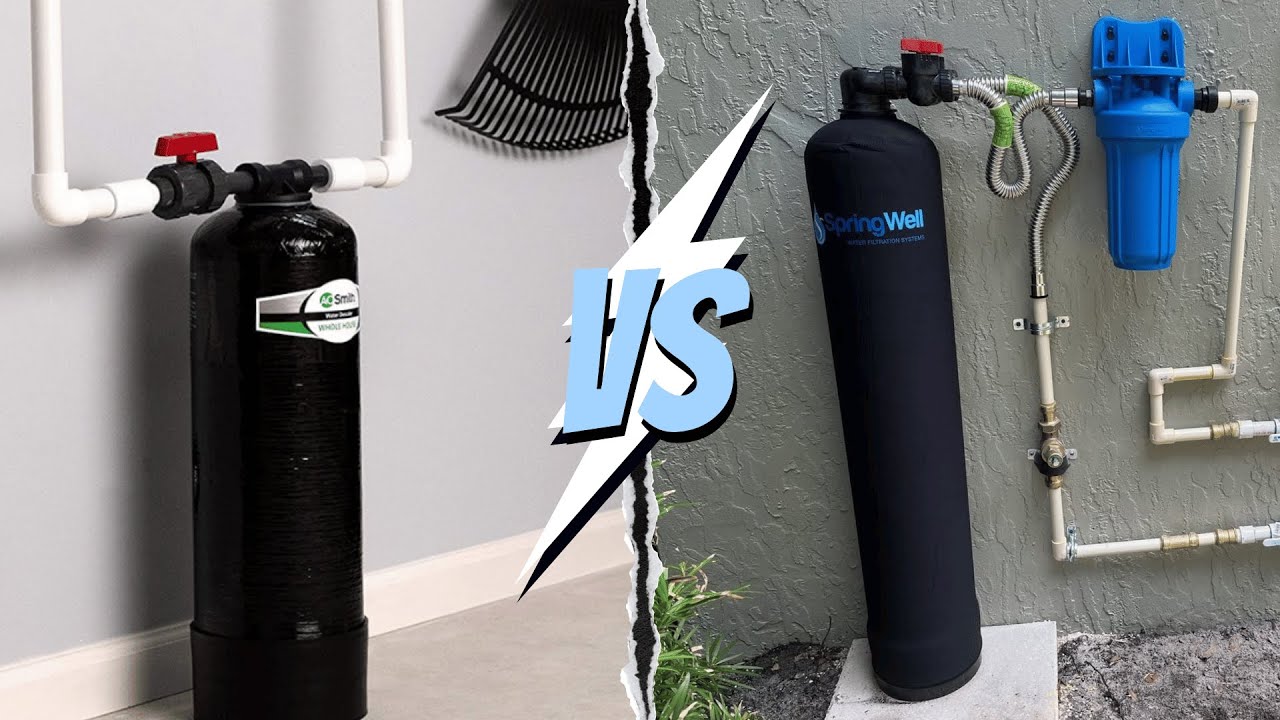
Is a Water Softener a Filter? Unveiling the Truth
Have you ever wondered if a water softener is the same as a filter? You might think they do the same job, but the truth is more interesting.
Understanding the difference can change how you care for your home and your health. If you want clearer answers and better water, keep reading. This simple knowledge can save you money and improve your daily life. Let’s dive in and clear up the confusion once and for all.

Credit: www.familyhandyman.com
Water Softeners Vs Filters
Water softeners and filters both improve water quality but serve different purposes. Understanding their differences helps choose the right system for home needs. Each system targets specific water problems with unique processes.
Basic Functions Compared
Water softeners remove minerals like calcium and magnesium. These minerals cause hard water issues like scale buildup. Filters remove impurities like dirt, chlorine, and bacteria. They improve water taste and safety. Softeners focus on hardness; filters focus on cleanliness.
How Each System Works
Softeners use a process called ion exchange. They swap hardness minerals with sodium or potassium ions. This prevents scale in pipes and appliances. Filters use physical or chemical methods. They trap particles or absorb chemicals. Types include carbon filters, sediment filters, and UV filters.
Common Misconceptions
- Water softeners do not remove bacteria or chemicals.
- Filters do not change water hardness.
- Soft water does not mean pure water.
- Filtered water may still be hard if minerals remain.
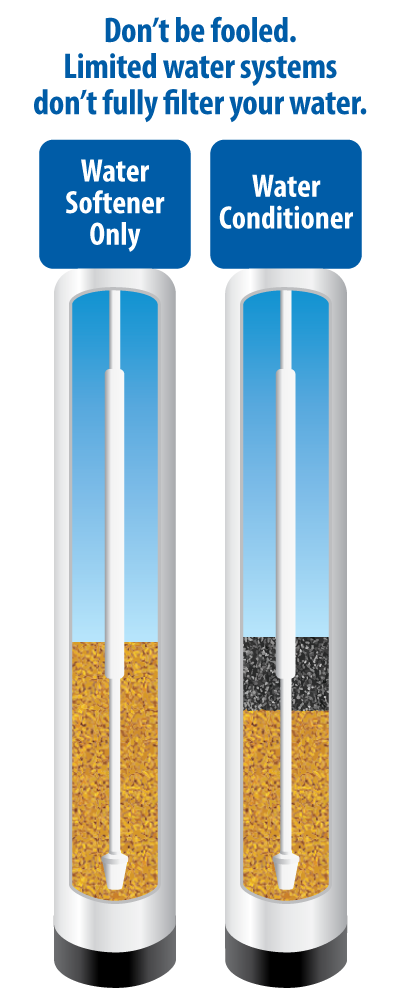
- Both systems can work together for better water quality.
Credit: medium.com
Types Of Water Filters
Water filters come in many types, each designed to improve water quality. They remove different impurities, making water safer and better tasting. Understanding these types helps choose the right filter for your needs.
Carbon Filters
Carbon filters use activated charcoal to trap chemicals. They remove chlorine, bad odors, and some pesticides. These filters improve taste and smell. They do not remove minerals or salts from water.
Reverse Osmosis Systems
Reverse osmosis systems push water through a special membrane. This membrane blocks many impurities like lead, arsenic, and salts. The process produces very clean water. It also wastes some water during filtration.
Sediment Filters
Sediment filters catch dirt, sand, and rust particles. They protect other filters from clogging. These filters are often the first step in a filtration system. They do not remove chemicals or bacteria.
How Water Softeners Operate
Understanding how water softeners operate is key to knowing whether they act as filters or serve a different purpose. Water softeners focus on removing minerals that cause hardness, rather than filtering out debris or contaminants. Let’s break down how these systems work and what sets each type apart.
Ion Exchange Process
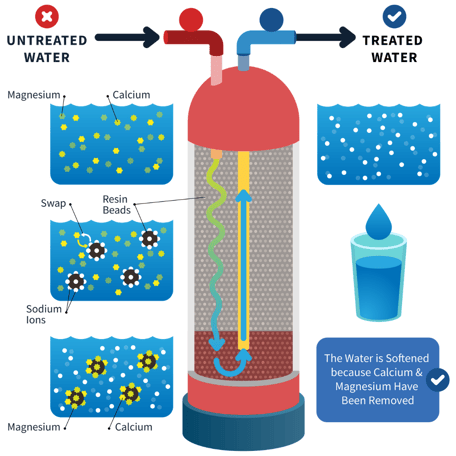
The core mechanism behind most water softeners is ion exchange. Hard water contains calcium and magnesium ions, which cause scale buildup in pipes and appliances.
During ion exchange, these hard ions are swapped for sodium or potassium ions held in a resin bed inside the softener. This exchange happens every time water passes through the system.
Think about the difference this makes: instead of minerals that form scale, your water comes out softer and gentler on your skin and appliances. Have you noticed less soap scum or easier cleaning after using softened water?
Salt-based Softeners
Salt-based softeners rely on regular addition of salt to recharge the resin beads. The salt solution flushes out the captured calcium and magnesium, restoring the resin’s ability to soften water.
This process requires maintenance—you’ll need to add salt periodically and check the system’s settings. It’s a bit like refilling a coffee machine with beans so it keeps brewing fresh coffee.
Many users find this method effective and affordable, but are you prepared for the upkeep it demands?
Salt-free Alternatives
Salt-free softeners don’t use ion exchange. Instead, they alter the structure of minerals so they don’t stick to surfaces. This method reduces scale but doesn’t remove hardness minerals from water.
These systems often use template-assisted crystallization or other physical processes. They require less maintenance since no salt is needed, making them appealing if you want a low-effort option.
However, if your goal is to eliminate hardness completely, salt-free might not meet your expectations. Would you prefer convenience over complete mineral removal?
Benefits Of Water Softeners
Water softeners offer more than just treating hard water; they bring practical benefits that can improve your daily life and save you money. Understanding these advantages helps you decide if investing in a water softener is the right choice for your home. Let’s look at some key benefits that you might not have considered before.
Preventing Scale Buildup
Hard water causes minerals like calcium and magnesium to build up inside pipes and appliances. This scale buildup reduces water flow and damages plumbing over time. A water softener removes these minerals, stopping scale before it starts, which keeps your plumbing clear and efficient.
Have you noticed white crusty deposits around your faucets or inside your kettle? That’s scale forming, and it can be a silent drain on your home’s water system. Softened water prevents this, making maintenance easier and less frequent.
Extending Appliance Lifespan
Appliances that use water, such as dishwashers and washing machines, work harder when exposed to hard water. The mineral deposits make heating elements less efficient and parts wear out faster. By using softened water, you reduce this stress and extend the life of these appliances significantly.
Imagine replacing your water heater or washing machine less often. Soft water can save you hundreds of dollars in repairs or new purchases. Isn’t it worth considering how a water softener could protect your investment?
Improving Soap Efficiency
Hard water reduces soap’s ability to lather and clean effectively. You often find yourself using more soap or detergent to get the job done. With softened water, soaps and detergents work better, which means you use less product and get cleaner results.
This improvement doesn’t just save money; it also means your skin and hair feel softer and less dry after washing. Have you ever wondered why your skin feels tight or your clothes come out stiff? Soft water could be the simple solution you need.
When To Use A Water Filter
Knowing when to use a water filter helps improve water quality at home. Filters remove unwanted particles and chemicals from water. They make water safer and better for daily use. Understanding when to choose a filter over other options is key to clean water.
Removing Contaminants
Water filters capture dirt, rust, and sediments from water. They also reduce harmful chemicals like chlorine and pesticides. This makes water cleaner and safer for drinking and cooking. Filters help protect plumbing and appliances from buildup too.
Improving Taste And Odor
Filters remove substances that cause bad taste and smells. Chlorine and sulfur odors disappear after filtering. This gives water a fresher, better flavor. Clean water encourages drinking more water daily.
Health Considerations
Filtered water reduces exposure to harmful bacteria and viruses. It lowers risks of stomach issues and infections. Families with children, elderly, or weak immune systems benefit the most. Filters can also reduce lead and heavy metals that harm health.
Credit: www.indywaterpros.com
Combining Softeners And Filters
Combining water softeners and filters can improve your water quality significantly. Each system targets different problems in your water. Softeners reduce hardness caused by minerals like calcium and magnesium. Filters remove dirt, chlorine, and other harmful particles. Using both systems together creates cleaner, softer water for your home.
Complementary Systems
Water softeners and filters work well side by side. Softeners protect pipes and appliances from mineral buildup. Filters improve taste, odor, and clarity by removing contaminants. Together, they provide comprehensive water treatment. This combination helps extend the life of plumbing and appliances. It also delivers better water for drinking, cooking, and bathing.
Installation Tips
Install the filter before the softener in your water line. This setup prevents sediment from clogging the softener system. Check water pressure and flow rates for both devices. Use a professional plumber if unsure about placement. Ensure easy access for future maintenance and filter changes. Proper installation maximizes system efficiency and lifespan.
Maintenance Requirements
Filters need regular cartridge replacements based on usage. Softeners require salt refills to keep working properly. Clean the filter housing to avoid clogging and bacteria buildup. Check softener resin beads every few years for effectiveness. Monitor water quality to detect any system issues early. Consistent maintenance keeps both systems running smoothly.
Frequently Asked Questions
Is A Water Softener The Same As A Water Filter?
No, a water softener removes hardness minerals like calcium. A water filter removes impurities and contaminants. They serve different purposes in water treatment.
How Does A Water Softener Work Compared To Filters?
A water softener uses ion exchange to replace calcium with sodium. Filters trap particles and chemicals to clean water. Both improve water quality but in different ways.
Can A Water Softener Remove Chlorine And Bacteria?
No, water softeners do not remove chlorine or bacteria. Filters like activated carbon or UV systems handle these contaminants effectively.
Do Water Softeners Improve Water Taste Like Filters?
Water softeners can improve taste by reducing hardness. Filters improve taste by removing chlorine, odors, and sediments. Combining both offers better water quality.
Conclusion
A water softener and a filter serve different purposes. A softener removes minerals that cause hard water. A filter cleans dirt, chemicals, and impurities. Knowing this helps you choose the right system. Both improve water quality but in unique ways.
Consider your water problems before deciding. Clean, soft water benefits your home and health. Choose wisely for the best water experience.

Home Improvement Expert & Senior Writer at HomeFixio
Reed Atwood is a seasoned home improvement expert with a passion for transforming everyday living spaces into functional and stylish havens. With years of experience in DIY projects, renovations, and home upgrades, Reed brings a wealth of knowledge to HomeFixio. As a senior writer, he provides readers with practical, easy-to-follow guides, expert tips, and innovative solutions for every room in the house. His goal is to empower homeowners to tackle their projects with confidence, ensuring both quality results and a rewarding experience.


