

How to Filter Iron from Well Water: Effective Solutions
Are you tired of dealing with rusty stains, unpleasant taste, or metallic odors in your well water? Iron in your water can cause more problems than you realize, from damaging your appliances to affecting your health.
But don’t worry—filtering iron from your well water is easier than you think. You’ll discover simple, effective ways to remove iron and enjoy clean, fresh water every day. Keep reading to learn how you can protect your home and improve your water quality right now.

Credit: www.amazon.ca
Sources Of Iron In Well Water
Understanding where iron in your well water comes from is key to tackling the problem effectively. Iron doesn’t just appear out of nowhere; it usually originates from natural sources or environmental factors around your well. Knowing these sources helps you choose the right filtration method and prevent future issues.
Types Of Iron Contamination
Iron in well water exists in different forms, and each affects your water differently. The most common types include:
- Ferrous Iron (Clear-Water Iron):This form dissolves in water and is invisible when you first draw the water. It can turn red or brown when exposed to air.
- Ferric Iron (Red-Water Iron):This is rusty, reddish iron that appears as particles floating or settled in water.
- Organic Iron:Bound with organic matter, this type can cause staining and unpleasant taste but is harder to remove.
- Iron Bacteria:These bacteria feed on iron and create slimy, smelly deposits that clog pipes and filters.
Have you noticed reddish stains or a metallic taste in your water? Identifying the type helps you know what you’re dealing with.
Common Causes In Wells
Iron often comes from natural sources deep underground where your well draws water. Rocks and soil containing iron minerals slowly release iron into the groundwater over time.
Wells drilled into areas rich in iron-bearing minerals are more likely to have high iron levels. Changes in water table levels or well depth can also increase iron concentration.
Another cause can be corrosion inside your well casing or pipes, especially if they are made of iron or steel. This internal rust contributes additional iron to your water supply.
Have you checked the materials used in your well system recently? Sometimes, the source of iron contamination is closer than you think.
Health And Home Impact
Iron in well water affects both health and home environments. It changes water taste, smell, and color. This can make water unpleasant for drinking and cooking. Iron also impacts household systems and appliances. Knowing these effects helps in managing and filtering iron properly.
Effects On Water Quality
Iron causes water to have a metallic taste. It can make water look reddish or brown. This discoloration stains sinks, tubs, and laundry. Iron in water encourages bacteria growth, causing slimy buildup. These bacteria can create unpleasant odors. Drinking iron-rich water may upset the stomach or cause mild health issues.
Damage To Plumbing And Appliances
Iron deposits build up inside pipes and fixtures. This buildup reduces water flow and pressure. It can clog faucets, showerheads, and appliances. Water heaters and washing machines may wear out faster. Iron rust can cause corrosion and leaks over time. Repairs and replacements increase home maintenance costs.
Testing Iron Levels
Testing iron levels in well water is the first step to solving iron problems. Knowing the exact amount of iron helps choose the right treatment. Iron can cause stains, bad taste, and damage pipes. Accurate testing gives clear results about iron content. It also detects different types of iron, like ferrous and ferric iron. Testing can be simple or detailed, based on your needs and budget.
Diy Testing Kits
DIY testing kits are easy to use at home. They come with simple instructions and test strips or liquid reagents. You collect a water sample and follow the steps to check iron levels. Results appear in minutes, often by color change. These kits show if iron is low, medium, or high. They are affordable and fast but may not be very precise. Good for quick checks or regular monitoring.
Professional Water Analysis
Professional water analysis offers detailed and accurate results. Experts collect water samples and test in a lab using advanced tools. They measure total iron and other minerals in the water. Labs can identify iron types and concentrations very precisely. Reports include recommendations for treatment based on results. This option costs more and takes longer but ensures reliable data. Ideal before installing a filtration system or for complex water issues.
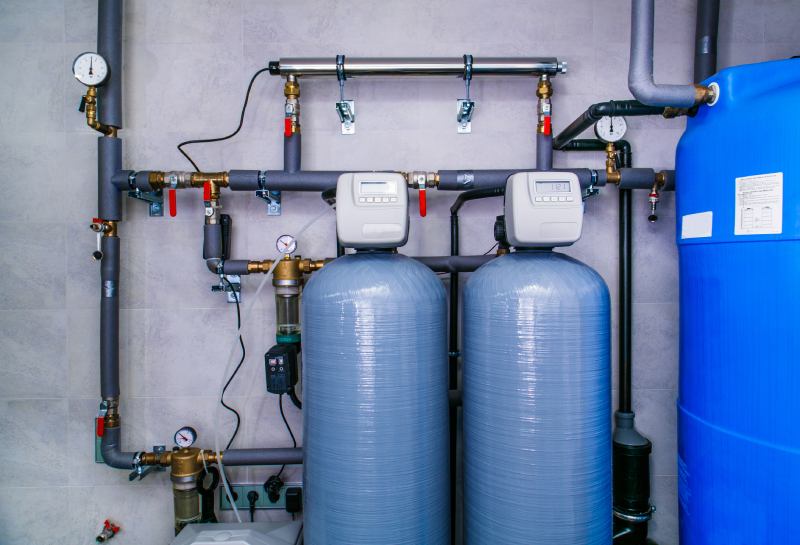
Credit: www.tricountypumps.com
Physical Filtration Methods
Physical filtration methods offer straightforward solutions to remove iron from well water. These techniques rely on trapping or transforming iron particles without complex chemical reactions. If you want clear, iron-free water, understanding these filters can help you choose the right system for your home.
Sediment Filters
Sediment filters catch iron particles that are visible or suspended in your water. They work like a sieve, blocking larger iron particles before they reach your taps. Installing a sediment filter can immediately reduce the rusty taste and discoloration caused by iron.
These filters come in different materials such as pleated polyester or spun polypropylene. You can choose based on your water’s iron concentration and the size of particles you need to filter. Remember, sediment filters need regular cleaning or replacement to keep working effectively.
Have you noticed reddish-brown stains around your sinks or toilets? A sediment filter could be the first step to stopping those stains. It’s a simple fix that protects your plumbing and appliances from iron buildup.
Greensand Filters
Greensand filters use a special mineral called glauconite, which helps convert dissolved iron into tiny particles. These particles are easier to filter out physically. The filter also oxidizes iron, turning it into a solid form that your system can trap.
This method requires periodic regeneration with potassium permanganate to keep the greensand active. While it demands a bit more maintenance, it’s highly effective for water with higher iron levels. Many well owners trust greensand filters to deliver consistent, iron-free water.
If your water tastes metallic or leaves spots even after using a sediment filter, a greensand filter might be the solution. It handles iron that’s dissolved and harder to catch, offering a deeper clean for your water supply.
Chemical Treatment Options
Chemical treatment options provide effective ways to remove iron from well water. These methods change iron into a solid form that is easier to filter out. They work well for water with high iron levels and can improve water quality quickly. Understanding the different chemical treatments helps choose the best solution.
Chlorination
Chlorination uses chlorine to oxidize iron in the water. The chlorine reacts with dissolved iron and turns it into solid particles. These particles are larger and can be filtered or settled out.
This method is popular because it kills bacteria and removes iron at the same time. Chlorine is added to the water before it enters the filter system. Proper contact time is needed for chlorine to work well.
Chlorination requires careful handling of chemicals and regular system maintenance. It is important to test water after treatment to ensure iron levels are low.
Oxidation And Filtration
Oxidation changes dissolved iron into solid iron particles. This process uses oxidizing agents like potassium permanganate or ozone. These chemicals cause iron to form rust-like particles.
After oxidation, water passes through a filter to remove the solid iron. Filters can be made of sand, manganese greensand, or other media that trap iron particles.
This method is effective for removing both ferrous and ferric iron types. It also reduces iron staining and improves water taste and smell.
- Oxidation breaks down iron molecules.
- Filtration removes iron solids.
- Works well with moderate to high iron levels.
Water Softeners For Iron Removal
Water softeners can help remove iron from well water. They are common devices designed to reduce minerals that cause hard water. Iron is one of these minerals, and softeners target it alongside calcium and magnesium. Using a water softener may improve water taste and prevent stains on fixtures.
How Softeners Work
Water softeners use a process called ion exchange. Hard water passes through a resin bed inside the softener. The resin beads attract iron and hardness minerals. These minerals swap places with sodium or potassium ions on the beads. This exchange removes iron from the water. The softened water then flows out for household use.
Limitations And Benefits
- Softening works best for low to moderate iron levels.
- High iron can clog the resin and reduce efficiency.
- Softener removes clear and dissolved iron, but not all forms.
- Regular maintenance is needed to keep the system working well.
- Softened water prevents rust stains on sinks and clothes.
- It also improves water taste and protects plumbing.
Advanced Filtration Systems
Advanced filtration systems offer powerful solutions to remove iron from your well water effectively. These systems go beyond basic filtration, targeting even the smallest iron particles and providing cleaner, clearer water for your home. Understanding how these systems work can help you choose the right one for your specific iron contamination level.
Reverse Osmosis
Reverse osmosis (RO) uses a semi-permeable membrane to filter out iron and other impurities from water. This process forces water through the membrane, trapping iron particles and allowing only clean water to pass through.
RO systems are highly effective for removing dissolved iron, especially in combination with pre-filters that handle larger particles. If you’ve noticed rust stains or a metallic taste, an RO system might be the precise fix you need.
Keep in mind, RO systems also remove minerals that are beneficial, so you might want to consider adding a remineralization filter. Have you checked if your water’s pH balance needs adjustment after filtration?
Aeration Systems
Aeration systems introduce air into the water, causing dissolved iron to oxidize and turn into solid particles. These particles are then easier to filter out using a standard filtration system.
This method is particularly useful if your well water contains high levels of dissolved iron and manganese. Aeration also helps reduce unpleasant odors often associated with iron-rich water.
Installing an aeration system requires space and proper drainage, so consider your home’s setup before choosing this option. Could your water system accommodate this kind of installation without major changes?
Maintenance And Monitoring
Maintaining and monitoring your iron filtration system is essential to keep your well water clean and safe. Neglecting this can lead to clogged filters and poor water quality, which defeats the purpose of your investment. Staying on top of maintenance ensures your system works efficiently and lasts longer.
Regular Filter Replacement
Filters trap iron particles, but they don’t last forever. You need to replace them regularly to avoid buildup that can slow down water flow and reduce filtration effectiveness.
Check your system’s manual for recommended replacement intervals. In my experience, replacing filters every 3 to 6 months keeps the water clear and the system running smoothly.
Ignoring this can cause rust-colored stains and a metallic taste in your water. Don’t wait until you notice a problem—schedule replacements as part of your routine.
Signs Of System Failure
How can you tell if your iron filter is failing? Watch for these common signs:
- Water looks cloudy or has a reddish tint
- Unusual odors or metallic taste
- Reduced water pressure
- Frequent clogging or backwashing issues
If you notice any of these, inspect your system immediately. Sometimes, simple cleaning or part replacement can fix the issue before it gets worse.
Have you experienced sudden changes in your water quality? Investigating early can save you costly repairs down the line.
Choosing The Right Solution
Choosing the right solution to filter iron from your well water is crucial for maintaining clear water and protecting your plumbing. The best option depends on several factors unique to your water quality and household needs. Understanding these will help you avoid wasting money on ineffective treatments.
Factors To Consider
Start by testing your well water to identify the type and concentration of iron present. Is it clear water iron (ferrous), red water iron (ferric), or bacterial iron? Each type requires a different treatment approach.
Consider the water’s pH level and the presence of other minerals like manganese or sulfur. These can affect how well certain filters work and may require combined solutions.
Your household size and daily water usage also matter. A small family will need a different system than a large household with high water demand.
Think about ongoing maintenance. Are you willing to clean or replace filter media regularly? Some systems need more upkeep than others.
Cost And Efficiency Comparison
| Solution | Initial Cost | Operating Cost | Effectiveness | Maintenance |
|---|---|---|---|---|
| Oxidizing Filters (e.g., Birm, Greensand) | Moderate | Low | Good for dissolved iron | Periodic backwashing |
| Water Softeners | Moderate to High | Moderate (salt usage) | Works best for low iron levels | Regular salt refill |
| Oxidation and Filtration Systems | High | Low to Moderate | Effective for high iron and combined contaminants | Filter media replacement |
| Chemical Injection (e.g., chlorine) | High | Moderate | Effective for bacterial iron | Regular monitoring and dosing |
Think about your budget not just for buying but also for running the system. Some cheaper options might cost more over time due to frequent maintenance or replacement parts.
Ask yourself: Is it better to invest more upfront for a system that runs efficiently with less hassle? Your answer will guide you toward the solution that fits your lifestyle best.

Credit: www.aqua-wise.com
Frequently Asked Questions
What Are The Common Signs Of Iron In Well Water?
Iron in well water causes reddish stains, metallic taste, and foul odor. It can also discolor laundry and plumbing fixtures. These signs indicate the need for effective iron filtration to protect your water quality and household appliances.
How Does An Iron Filter Remove Iron From Water?
Iron filters use oxidation and filtration to convert dissolved iron into solid particles. These particles are then trapped and removed, providing clear, iron-free water. Common types include manganese greensand, Birm, and air injection filters.
Can A Water Softener Remove Iron From Well Water?
Water softeners can remove small amounts of iron, typically up to 3 ppm. However, they are less effective for higher iron concentrations. For significant iron, specialized iron filters are recommended for better removal and water quality.
How Often Should I Maintain My Iron Filter System?
Maintenance frequency depends on water iron levels and filter type. Generally, iron filters require backwashing weekly and media replacement every 3-5 years. Regular maintenance ensures optimal performance and prolongs the system’s lifespan.
Conclusion
Filtering iron from well water improves taste and protects pipes. Choose the right filter based on iron levels and water type. Regular cleaning keeps the system working well. Test your water often to catch any changes early. Clean water means healthier drinking and fewer stains.
Take small steps today for better water tomorrow. Simple solutions can make a big difference.

Home Improvement Expert & Senior Writer at HomeFixio
Reed Atwood is a seasoned home improvement expert with a passion for transforming everyday living spaces into functional and stylish havens. With years of experience in DIY projects, renovations, and home upgrades, Reed brings a wealth of knowledge to HomeFixio. As a senior writer, he provides readers with practical, easy-to-follow guides, expert tips, and innovative solutions for every room in the house. His goal is to empower homeowners to tackle their projects with confidence, ensuring both quality results and a rewarding experience.


